Short answer
Commercial and residential feces or bodily fluid cleanup use the same core steps: contain, remove unsalvageable porous materials, clean, disinfect, dry, and verify. The differences lie in who is responsible, which workplace and health rules apply, how many people are exposed, how downtime is managed, and what records are expected. Businesses usually face more regulatory oversight and scheduling pressure, while homes raise more personal and belongings decisions.
Same core steps, different surroundings
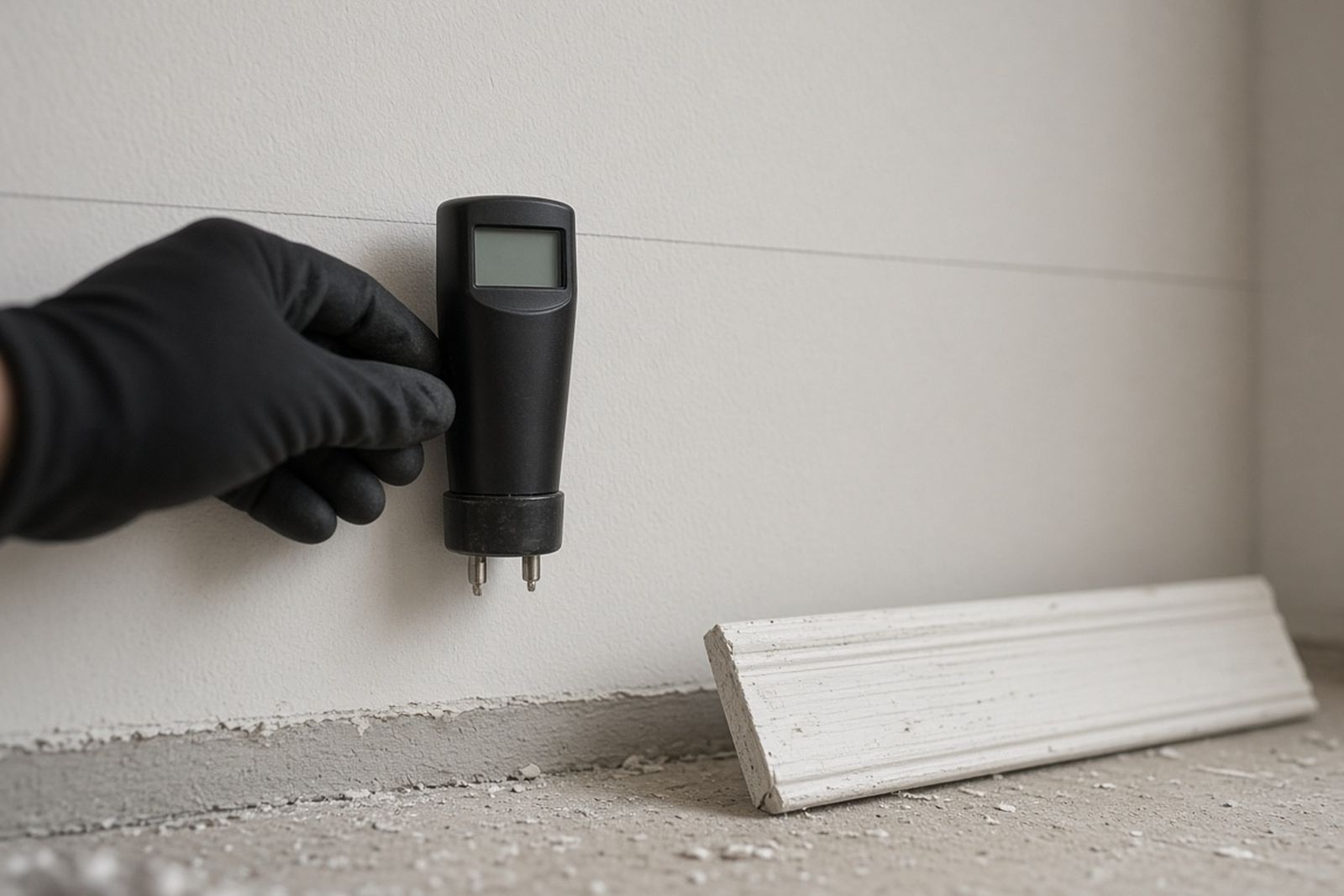
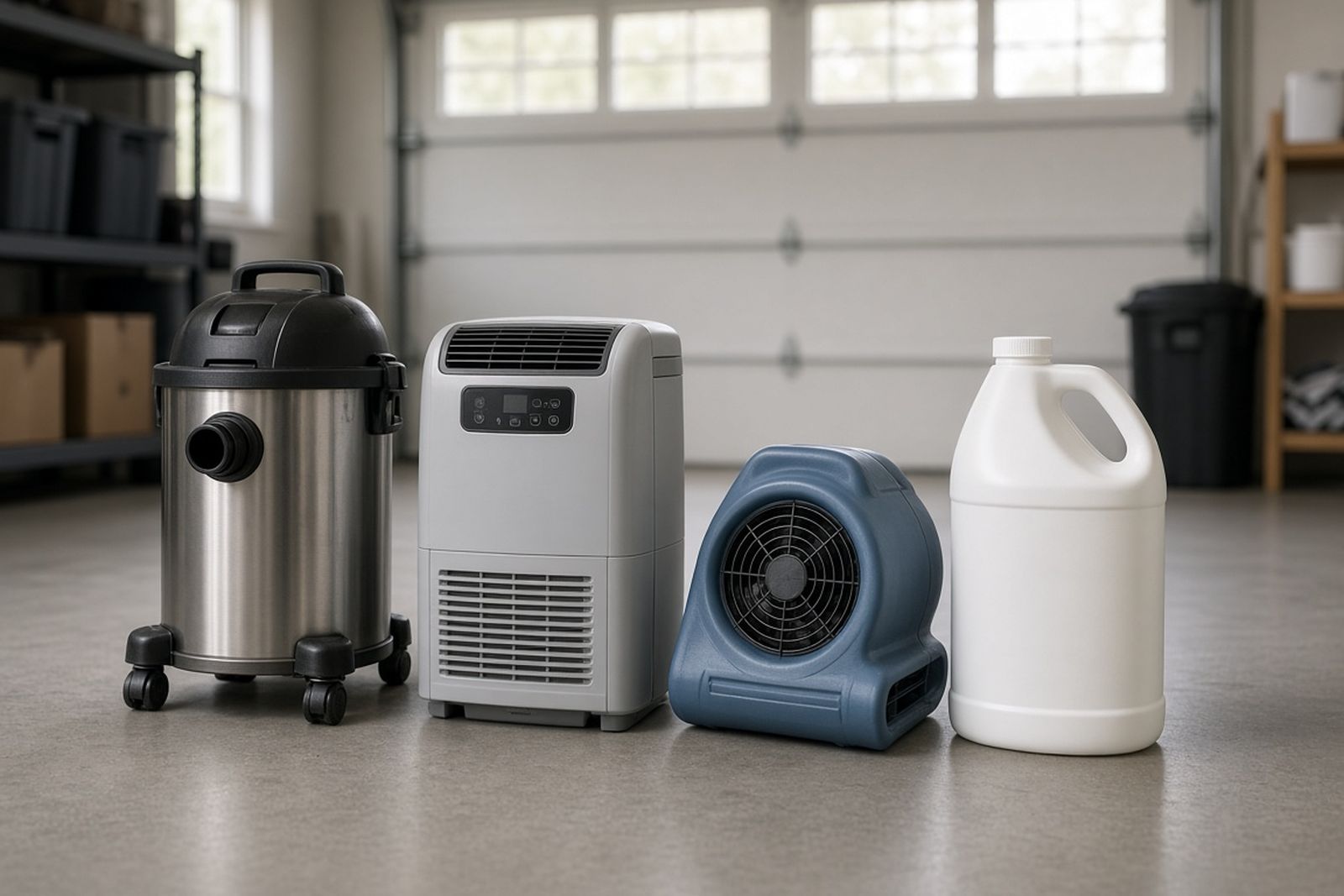
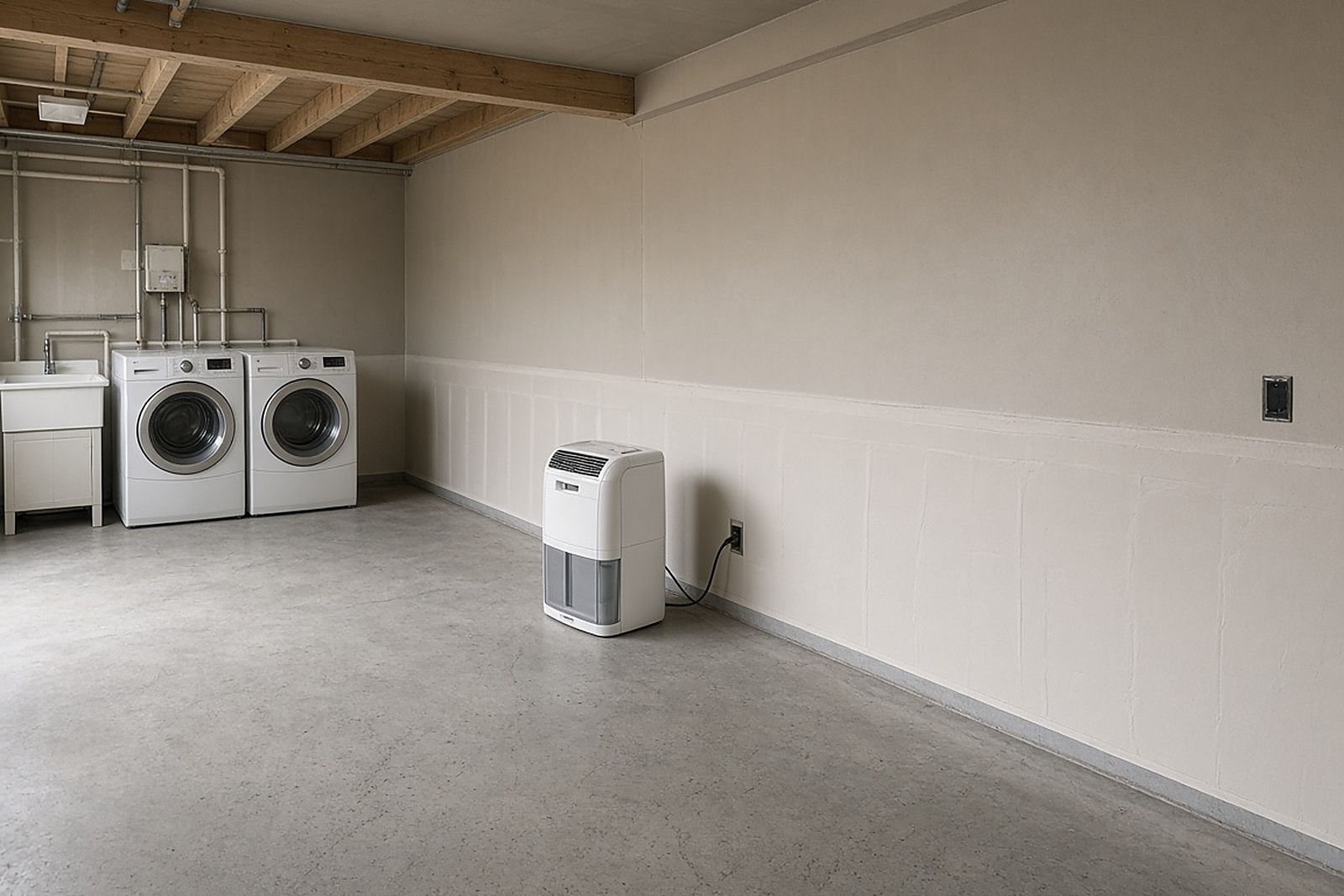
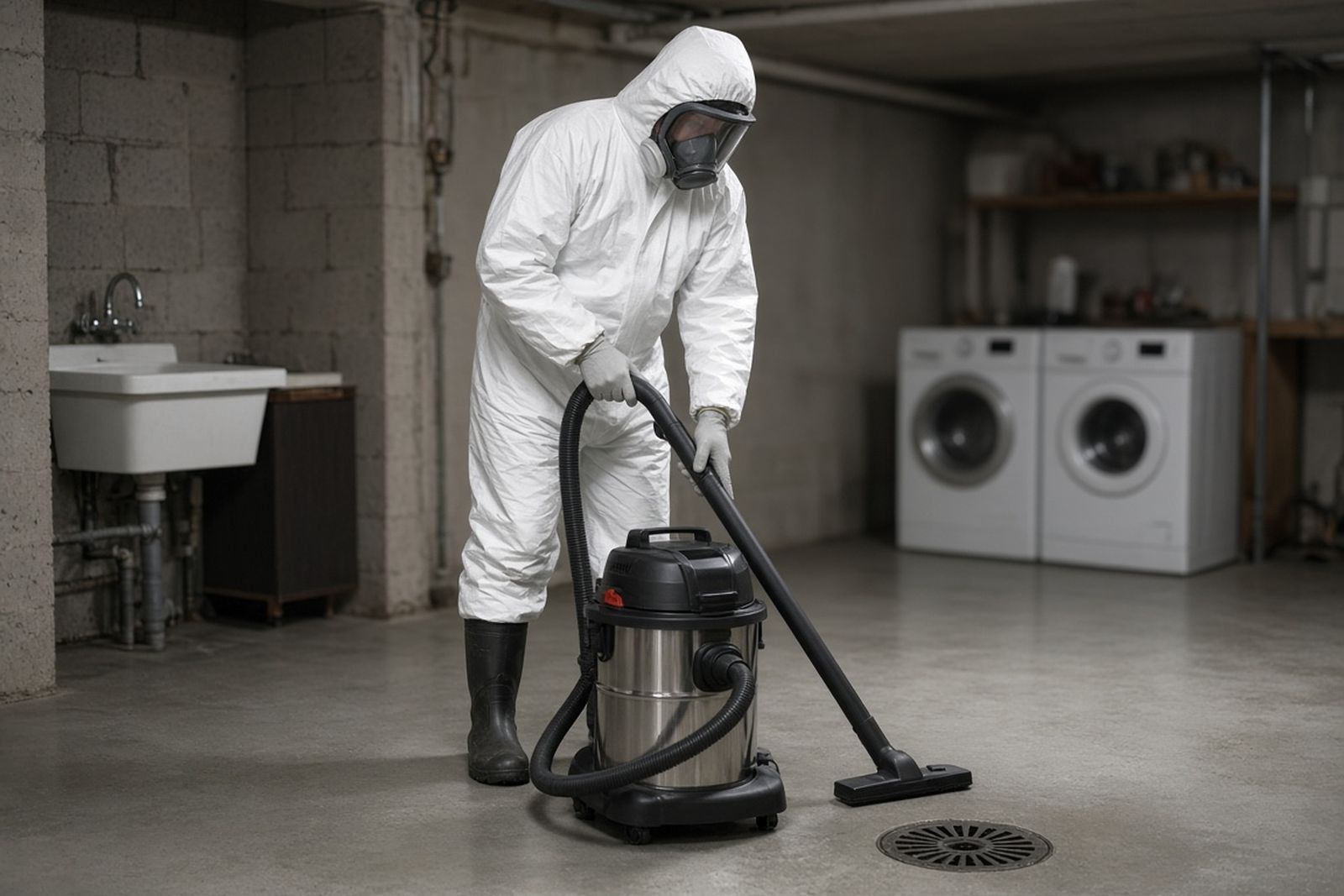
The science does not change based on the address. Sewage, feces, urine, and vomit carry the same kinds of organisms whether they land on a restaurant floor or a bathroom rug. A provider still needs to contain the area, remove materials that absorbed contamination, clean what remains, disinfect it with a suitable product, dry the structure, and confirm the result.
What changes is almost everything around that core. The number of people who could be exposed, the legal duties of the property owner, the materials found in the building, the pressure to reopen, and the paperwork expected at the end all look different in a commercial space.
Understanding those differences helps you ask better questions, whether you are a homeowner comparing quotes or a business owner trying to get back to serving customers.
Who is responsible in each setting?
In a single-family home, responsibility usually rests with the homeowner, who decides whether to clean it themselves or hire help. In a rental, the lease and local landlord-tenant law determine who handles and pays for what.
In a commercial building, responsibility can be split among the building owner, a tenant business, a property management company, and a janitorial contractor. A backup in a shared restroom in an office tower might be the landlord's problem, while an overflow inside a tenant's suite might fall to the tenant. Read the lease and service contracts before assuming.
Employers carry another layer. When a business asks its own staff to clean up waste or fluids, workplace safety rules come into play, including hazard assessment, protective equipment, and training. If blood is involved, bloodborne pathogen requirements can apply as well. A homeowner cleaning their own bathroom does not face those employer obligations, though the same precautions still make sense.
Inspectors and outside rules for businesses
Businesses that serve food, care for children, house vulnerable adults, or provide health services often answer to health departments or licensing agencies. A sewage backup in a restaurant kitchen, for example, may require the business to stop food service, notify the local health authority, and pass an inspection before reopening. The agency that issued the permit can tell you what it expects before you reopen.
Hotels, gyms, schools, and public venues may have their own sanitation codes or policies set by a parent company or insurer. Some require specific products, specific documentation, or sign-off from a manager before an area reopens.
Homes rarely face inspection after a cleanup. The exception is when a home is also a licensed care setting, such as a family daycare or adult foster home, or when a tenant has filed a habitability complaint with a housing authority.
Exposure risk: a household vs the public
In a home, the people exposed are usually a small household who know each other's health needs. A parent can keep a toddler out of the bathroom, and a family can decide together when it feels safe to return.
In a commercial space, the exposed group is larger and unknown. A contaminated restroom floor in a busy store could be walked through by hundreds of people before anyone reports it. Some of them may be older, pregnant, or immunocompromised. The response has to assume the most vulnerable person could walk through next.
Enteric illness spreads efficiently in shared settings. CDC reported in 2024 that about 2,500 norovirus outbreaks are reported in the United States each year, most spread by direct person-to-person contact. A single vomiting incident in a dining room or classroom, poorly handled, can become one of those outbreaks.
That is why businesses are often advised to have a written body fluid response procedure, a stocked spill kit, and trained staff before an incident happens. Speed of containment matters more when many people share the space.
How building materials and layouts change the scope
Homes often have carpet, carpet pad, standard drywall, wood subfloors, and particleboard cabinets. Many of these absorb fluids readily, which means more removal and replacement after a significant event.
Commercial spaces are more varied. A restaurant kitchen may have sealed quarry tile, stainless steel, and floor drains designed for washdown, which can make cleanup faster. An office may have carpet tiles, which can be pulled and replaced in sections. A healthcare clinic may have seamless vinyl with coved bases, designed with cleaning in mind.
On the other hand, commercial buildings add complexity that homes lack. Shared plumbing stacks mean a backup in one tenant space can come from another. Drop ceilings, raised floors, and utility chases can hide spread. Large HVAC systems can carry odors across floors if returns are not sealed.
- Ask whether the provider will check adjacent suites or floors that share plumbing.
- Ask how ceiling plenums and utility chases will be inspected.
- Ask which surfaces the building was designed to be washed down, and which were not.
Downtime and scheduling
For a business, every hour closed has a cost. Providers who serve commercial clients often work after hours, phase the job so parts of the space can reopen sooner, or set up containment that lets business continue in unaffected areas.
Phasing needs care. Reopening a dining room while the kitchen restroom is still under treatment only works if containment is solid, air does not flow between the areas, and staff and customers cannot wander into the work zone. A provider should explain how they will keep the two separate.
Homeowners feel a different kind of pressure. They may need a bathroom back quickly, or may have nowhere else to stay. The conversation is less about revenue and more about which rooms can be used safely and whether temporary housing makes sense while work continues.
One backup, two buildings: an illustration
To show how the differences play out, consider an illustrative sewer surcharge that affects two buildings on the same street. One is a small café. The other is a family home next door. In both, sewage rises through a floor drain overnight.
At the café, the owner closes for the day, calls the health department as their permit requires, and hires a provider who can work that evening. The kitchen floor is sealed tile with a drain, so cleaning and disinfection go quickly. But the dry storage room has cardboard boxes of food stock on the floor, all of which must be discarded, and a wooden prep table leg has absorbed fluid. The owner needs an inspection before reopening and wants written documentation of the product used and the areas treated.
At the home, the basement has carpet and drywall. The family is not facing an inspection, but they are facing hard choices about a box of photo albums, a child's play mat, and a sofa. The provider spends more time helping them sort belongings, explaining which items can be cleaned and which cannot. The job takes longer, but the paperwork is mostly for their insurer rather than a regulator.
Same event, same organisms, very different conversations.
What documentation should each type of client expect?
Both homeowners and businesses should receive a written scope, before and after photos, a list of removed materials, the disinfectant used and its label contact time, drying records, and waste disposal information. That packet supports insurance claims and answers future questions.
Businesses often need more. A health inspector may want to see product labels or safety data sheets. A corporate office may require an incident report in a specific format. An employer may need records showing staff were protected if they participated. Ask up front what your inspector, insurer, or parent company will expect, and pass that list to the provider.
Homeowners sometimes skip the paperwork because no one is asking for it yet. Ask for it anyway. If a buyer's inspector notices patched drywall in the basement years later, or if an odor returns after a humid summer, that closeout packet shows exactly what was removed and treated, and when.
Choosing a provider for your setting
Look for experience with your type of property. A provider who mostly handles residential basements may not be used to working around food permits, patient areas, or a hotel's guest flow. A provider focused on large commercial accounts may be less comfortable with the personal decisions that come up in a family home.
In either case, ask to see a sample scope and closeout report from a similar job, with private details removed. How clearly they explain removal decisions, product claims, and verification will tell you a great deal about how they will handle yours.
Also ask how the provider handles staff and customers during the job. A commercial crew should be able to describe how they will post signs, route foot traffic, and communicate with your employees. A residential crew should be able to explain how they will protect the rest of your home, including pets and children, and how they will talk with you about belongings without rushing you.
Finally, confirm that the provider understands local waste rules for your type of property. Rules for a restaurant's discarded food stock or a clinic's soiled materials may differ from those for household debris, and the provider should be able to explain where each load will go.