Does Insurance Cover Feces and Bodily Fluid Cleanup?
How the cause of a waste-related loss shapes your insurance claim
Insurance for damage from human waste and body fluids depends a lot on where the liquid came from. It also depends on how the loss happened. A sudden toilet overflow, a sewer backup, and long-term pet or incontinence damage are often treated very differently. This guide explains which policies may apply and the exclusions that trip people up. It also shows how to document a claim clearly.
Get an email reply about feces & bodily fluid cleanup
Send a short message to the follow-up inbox. A coordinator can reply by email. This form does not send emergency help; call 911 first if anyone is in danger.
What published figures say about coverage and payment
- $2 billion
Foodborne norovirus illness alone costs the US about $2 billion a year, mainly in lost productivity and healthcare expenses.
Read with care: Excludes person-to-person and environmental transmission costs.
Source: CDC (2024)United States, foodborne cases only
- $50–$250/year
Standard homeowners insurance does not typically cover water or sewer backup; an optional endorsement costs roughly $50 to $250 per year with limits starting around $5,000.
Read with care: Single insurer's general guidance; premiums and limits vary by carrier and state.
Source: The Hanover Insurance Group (2024)US homeowners policies, insurer guidance
- 1 in 60 homes
About 1 in 60 insured homes files a water damage or freezing claim each year, with an average payout of $15,400 and 22.6% of all homeowner claims in 2023.
Read with care: Water damage category includes burst pipes and is not limited to sewage backups.
Source: Insurance Information Institute (2025)US homeowners insurance claims, 2019–2023
- $16,550
OSHA's maximum penalties are $16,550 per serious violation and $165,514 per willful or repeated violation.
Read with care: Amounts adjust annually for inflation.
Source: OSHA (2024)United States federal OSHA, 2024 inflation-adjusted amounts
- $4,000
Biohazard cleanup nationally averages about $4,000, with a typical range of $3,000 to $5,000 and extremes from $1,500 to $25,000, per Fixr's January 2025 guide.
Read with care: Fixr figures are editorial cost estimates compiled from contractor and industry data, not a statistical survey of completed jobs; local prices vary widely.
Source: Fixr (2025)United States, residential biohazard cleanup, estimates as of January 2025
- 34,625
Federal OSHA conducted 34,625 inspections in fiscal 2024, split between 17,455 unprogrammed and 17,170 programmed inspections.
Read with care: Excludes inspections by the 22 state plans covering private employers.
Source: OSHA (2024)United States federal OSHA, FY2024
These figures are public research and agency data, not this network's own job records. Keep each number with its population, year and limits; none of them predicts cost, timing or outcome at a specific property.
Which insurance policies may respond to a waste-related loss?
A homeowners policy may pay when a sudden, accidental event damages the home. One example is a supply line failure that makes a toilet overflow. Coverage for sewer or drain backup is often handled separately. It comes through an endorsement, which is an add-on to the base policy. Renters policies may cover the tenant's belongings and temporary housing when the loss is covered. The building is usually the landlord's responsibility.
Landlords usually rely on a landlord or dwelling fire policy for the building. Businesses turn to commercial property coverage. Some carry business interruption coverage for income lost while a space is closed. When employees are exposed to waste at work, workers' compensation may pay for related medical care. It does not pay for cleaning the building. Condo owners may need to work with the association's master policy.
- Homeowners coverage for sudden, accidental overflows
- Sewer or drain backup add-on, if you bought one
- Renters coverage for belongings and temporary housing
- Landlord or dwelling fire coverage for rental buildings
- Commercial property and business interruption for workplaces
- Workers' compensation for an employee's medical care after exposure
How common are water-related claims, and why does that matter?
Water damage is one of the most common claims insurers handle. The Insurance Information Institute reported in 2025 that about 1 in 60 insured homes files a water damage or freezing claim each year. Because these claims are so common, insurers have written detailed policy wording. It sorts water by type, source, and timing. That wording often decides the outcome of a waste-related claim.
Knowing how your insurer sorts the loss helps you describe it correctly. A clean-water supply line that failed suddenly is treated differently from sewage backing up through a floor drain. Both are treated differently from urine damage that built up over months. Describe the source plainly and let the evidence speak. Do not guess at the category. Ask the adjuster which part of the policy they are using.
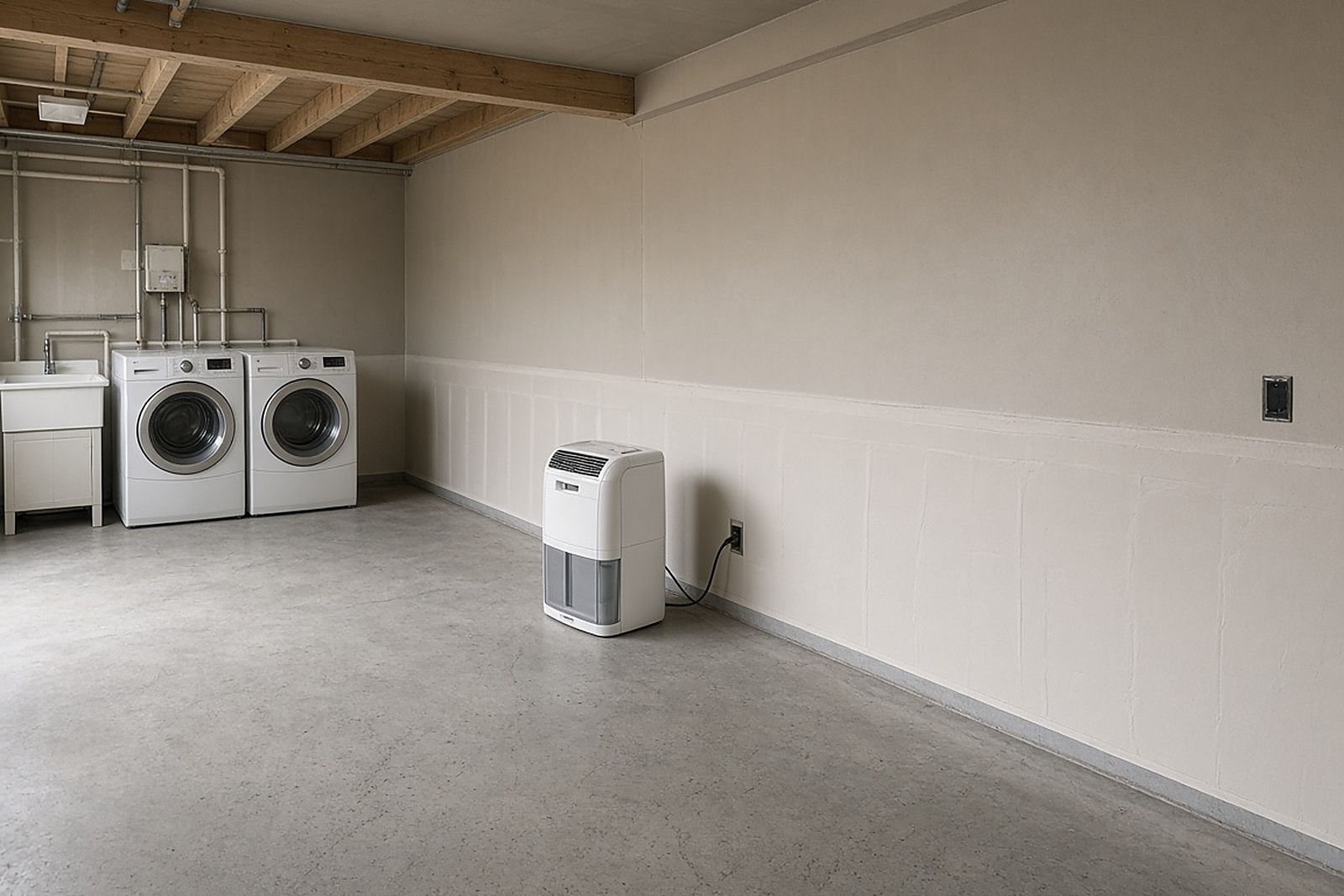
What exclusions commonly affect these claims?
Standard homeowners coverage often excludes sewer and drain backup unless you bought an add-on. The Hanover Insurance Group said in 2024 that standard homeowners insurance does not usually cover water or sewer backup. It said an optional add-on costs roughly $50 to $250 per year, with limits starting around $5,000. After a backup, one of the first steps is checking your declarations page for that add-on.
Other common exclusions include slow leaks, repeated seepage, wear and tear, and damage from pets or long-term neglect. Coverage may also be limited for mold that grew because a problem was not fixed. Flood damage from surface water is usually excluded from homeowners policies. It is covered by separate flood insurance. Ask the adjuster to name the exact clause for any limit so you can read it yourself.
How should you document a bodily fluid or sewage claim?
Take photos and video of the affected areas before cleanup begins, as long as it does not put you at needless risk. Capture the source, like an overflowing fixture or a floor drain, and how far the mess spread. Write down the date and time you found the problem. Note any steps you took to stop it, like shutting off the water or closing doors to the area.
Ask your cleanup provider for an itemized plan, a moisture map, and photos of the work as it goes. Ask for the names of products used and disposal records. Get a written report from the plumber on what caused the failure. The cause often decides coverage. Keep receipts for a place to stay, meals, and replaced belongings. Put these papers in the order things happened. That makes it much easier for an adjuster to follow the claim.
What should you know when meeting the adjuster?
Report the loss quickly. Ask for the claim number, the adjuster's contact details, and any timeline in writing. Most policies expect you to take reasonable steps to stop more damage. So do not delay emergency water removal or safety steps while you wait for an inspection. The adjuster may not be able to visit before items must go for health reasons. Then save the removed materials or photograph them fully.
Share the plumber's report and the cleanup plan. Invite the provider to explain technical choices to the adjuster directly. The adjuster may question removing carpet or drywall. The moisture map and industry guidance for grossly contaminated water are usually your strongest support. Keep notes of every talk. Confirm key points by email so you have a clear record if questions come up later.
What can you do if your claim is denied?
Ask for a written denial that quotes the exact policy wording it relies on. Denials often rest on a backup exclusion, a slow-damage clause, or a question about the source. The plumber's report may show a sudden failure. Or you may have had an add-on the denial missed. Then send that evidence with a clear written request for a second look. Keep a dated copy of every page you send. Follow up if you hear nothing within the time the insurer gives you.
If the second look does not work, you may have other options. You may use the policy's appraisal process for disputes over amounts. You may file a complaint with your state insurance department. Or you may talk to a lawyer or licensed public adjuster. Deadlines can be strict, so note them as soon as a decision arrives. Rules vary by state and county. Check with the local authority. Keep recording all related costs while any appeal is open.
Are there other ways to cover the cost?
When a city sewer main caused the backup, your city or utility may have a claims process. Some communities have programs that help homeowners put in backflow valves, which stop sewage from flowing back in. Landlords may seek repayment from a tenant whose actions caused the damage. Tenants may seek help from a landlord when building systems failed. These paths can run alongside an insurance claim.
Some households care for an aging or disabled relative. In some areas, local aging services, disability programs, or Medicaid waiver services may help with home changes that reduce future accidents, like sealed flooring. Businesses may find help through property management agreements or tenant improvement allowances. A good place to start is asking a local social services office or your city's public works department about programs.
Keep the claim organized
Feces & Bodily Fluid Cleanup insurance claim organizer
A checklist to keep the claim orderly. It stores nothing on our servers; copy the summary to your own notes.
0 of 18 steps recorded (0%)
Print or paste the summary into your own records. Coverage is the carrier's decision under the policy; keep every answer in writing.
Open the full tool page for a worked example and more answers.
What research has found
Findings from published studies of people and properties in situations like this one. They describe what researchers observed in a specific group; they are not predictions for your case.
Both groups improved before remediation, while receiving asthma-management support.
More serious home damage predicted adverse cleanup-related outcomes.
Insurance questions about feces & bodily fluid cleanup
Is a toilet overflow covered by homeowners insurance?
It may be, if the overflow was sudden and accidental and no exclusion applies. A failed supply line or fill valve are examples. The cause may have been a blockage in the sewer line that pushed waste back into the home. Then coverage often depends on whether you bought a sewer or drain backup add-on. The plumber's written explanation of the cause is often the key document.
Does renters insurance cover damage to my belongings from sewage?
Renters policies may cover belongings damaged by a covered loss. But many use the same backup exclusions as homeowners policies unless an add-on was bought. Check your policy for water backup wording and report the loss quickly. The landlord's policy usually covers the building, not your belongings. So record your items separately with photos, receipts, and rough purchase dates.
Are pet urine and long-term incontinence damage covered?
Usually not. Damage that builds up slowly from pets or repeated incontinence is often treated as wear and tear or upkeep, not a sudden loss. But a sudden covered event may happen in the same home. Then related cleanup may still be considered for that event. Ask your insurer in writing how the policy applies to you.
Should I wait for the adjuster before removing wet carpet?
Usually not, if waiting would let contamination and moisture spread. Most policies expect you to prevent more damage. Take thorough photos and video of the area. Keep a sample of the material if you can. Tell the insurer what you are doing and why. Your provider's moisture map and photos help show that removal was needed.
Can my employer's insurance cover my exposure at work?
You may have been exposed to human waste at work and become sick or hurt. Then workers' compensation may pay for related medical care and lost wages, depending on your state's rules. It does not pay to clean the workplace. Tell your supervisor about the exposure right away and get checked by a health care provider. Rules vary by state and county. Check with the local authority.
Is it worth adding a sewer backup add-on now?
Many homeowners find it worth it. That is more likely with a basement, older sewer lines, or backups in the neighborhood before. An add-on usually will not apply to a loss that already happened. But it can protect you going forward. Ask your agent about limits, how the deductible works, and whether a backflow valve could affect your options. Read the add-on wording before you buy so you know exactly what it includes.
What if my landlord and I disagree about the cause?
Arguments about the cause are common in rentals. A written report from a licensed plumber is often the most neutral proof you can get. Share it with both insurers if two policies are involved. Keep all communication in writing. A local tenant rights group or housing agency can explain your rights if the dispute delays repairs or makes the unit unsafe to live in. In the meantime, stay out of contaminated areas. Keep children and pets away until cleanup is done.
What other visitors said
Every count is a real visitor vote; nothing is seeded or padded. One vote per poll per device, and you can change your answer.
When you discovered a sewage backup or waste problem at home, what did you do first?
How did you decide whether soaked carpet could be saved?
More on feces & bodily fluid cleanup
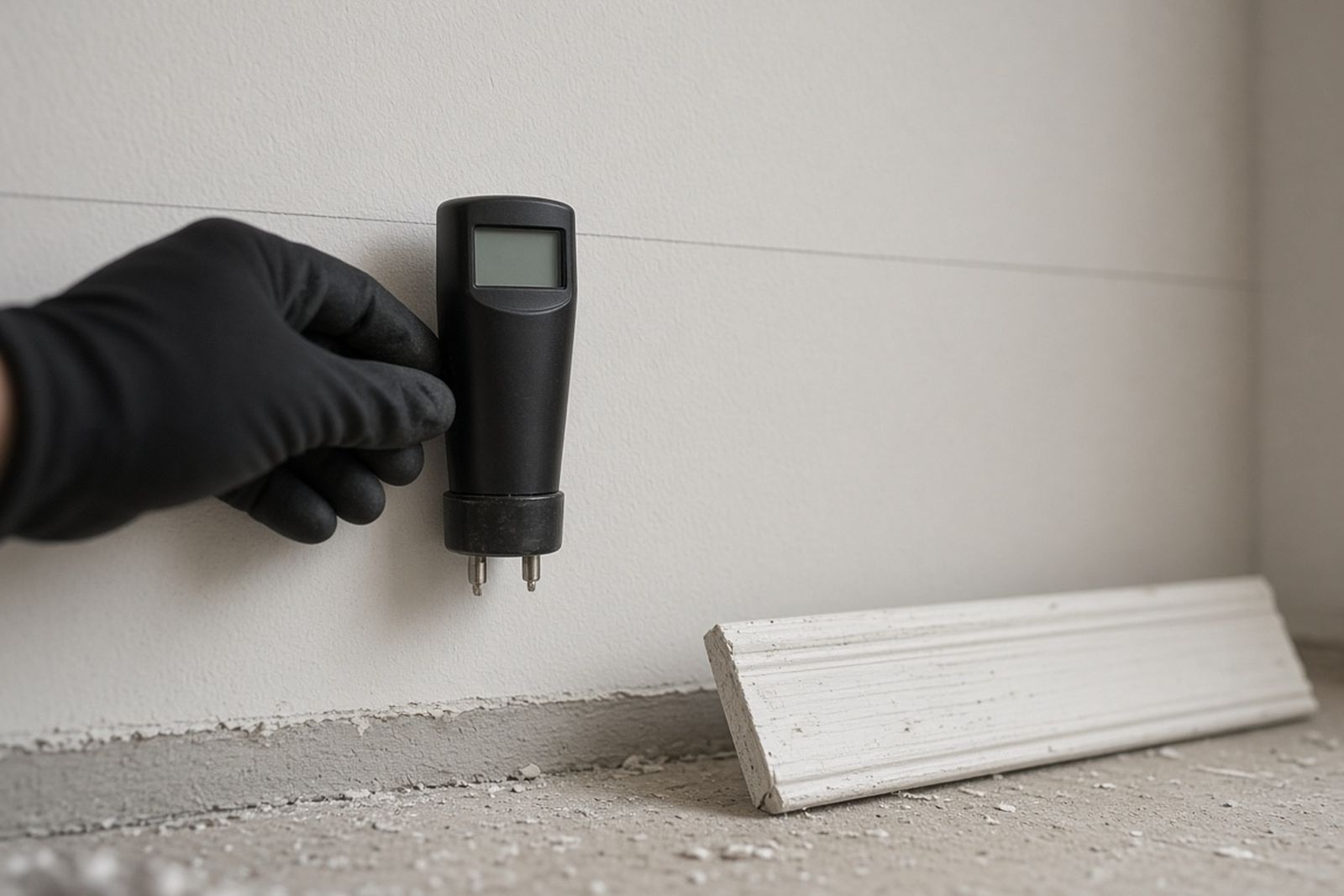
Feces & Bodily Fluid Cleanup services
See how pro cleanup of sewage, waste, and soaked materials really works in homes and rentals. Learn about moisture checks, removing materials, and records.
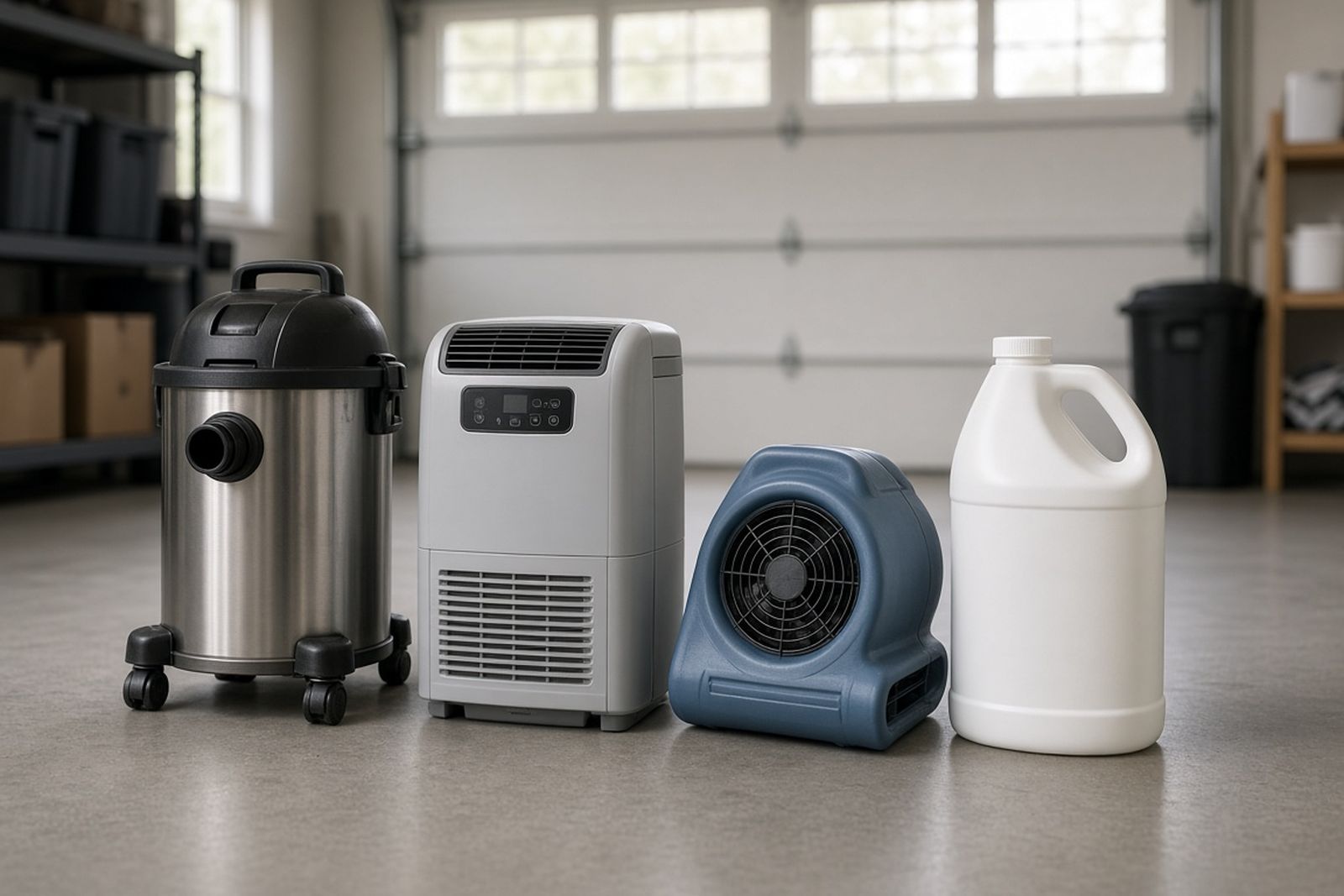
Costs explained
What drives the price, published cost ranges, and how to read a written quote line by line.
Planning tools
Use hands-on tools to see cost drivers, check a company, organize a claim, plan the first day, sort debris, and weigh doing it yourself.
Community polls
See how other homeowners, landlords, and caregivers handled sewage backups and waste messes. Compare their choices with the one in front of you.
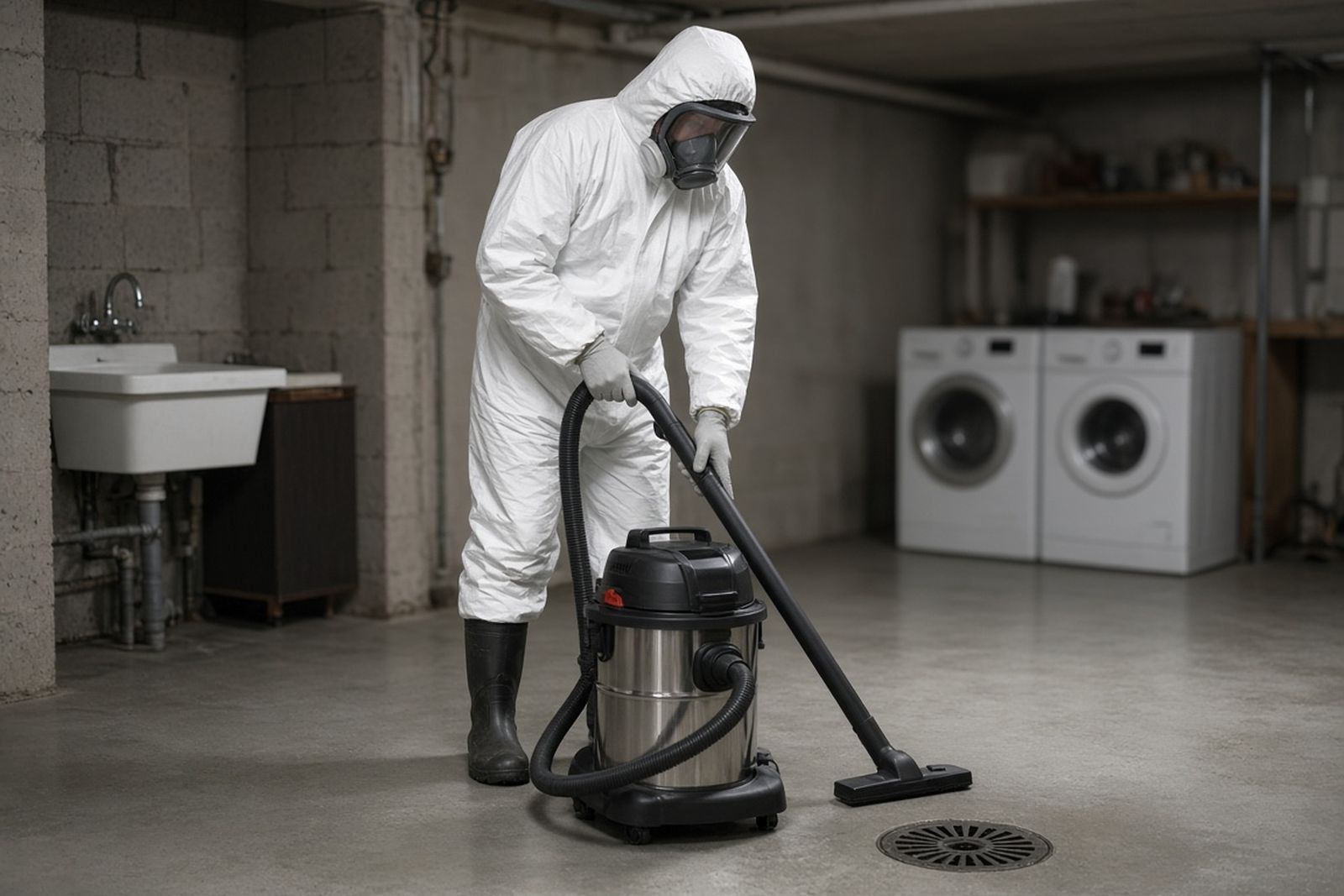
Knowledge quiz
Test what you know before you call a company or start cleanup. Learn to spot hazards, keep a mess in one place, clean in the right order, and deal with waste.
Articles and resources
Read practical articles on rental move-outs, pet urine soaked into floors, accidents in elder care, and sewage claims. They are written for people facing these problems for the first time.
Field guides
Step-by-step guides walk through common home situations. They explain what to expect, what to record, and which choices depend on local rules.