Feces and Bodily Fluid Cleanup Cost: Key Price Factors
What you pay for when human waste reaches floors and walls
Finding human waste, urine, or vomit soaked into a home or workplace is upsetting. It often happens at the worst possible time. The price depends much less on what you can see than on how far the liquid spread under the surface. This guide explains what a cleanup quote covers and what widens the price range. It also shows how to compare proposals fairly.
Get an email reply about feces & bodily fluid cleanup
Send a short message to the follow-up inbox. A coordinator can reply by email. This form does not send emergency help; call 911 first if anyone is in danger.
What published figures say about cost
- $16,550
OSHA's maximum penalties are $16,550 per serious violation and $165,514 per willful or repeated violation.
Read with care: Amounts adjust annually for inflation.
Source: OSHA (2024)United States federal OSHA, 2024 inflation-adjusted amounts
- $4,000
Biohazard cleanup nationally averages about $4,000, with a typical range of $3,000 to $5,000 and extremes from $1,500 to $25,000, per Fixr's January 2025 guide.
Read with care: Fixr figures are editorial cost estimates compiled from contractor and industry data, not a statistical survey of completed jobs; local prices vary widely.
Source: Fixr (2025)United States, residential biohazard cleanup, estimates as of January 2025
- 34,625
Federal OSHA conducted 34,625 inspections in fiscal 2024, split between 17,455 unprogrammed and 17,170 programmed inspections.
Read with care: Excludes inspections by the 22 state plans covering private employers.
Source: OSHA (2024)United States federal OSHA, FY2024
- 1,814
Eye and Face Protection (1926.102) drew 1,814 OSHA citations in fiscal 2024, ninth on the most-cited list.
Read with care: Construction-standard citation; general industry PPE cited separately.
Source: OSHA (via Safety+Health) (2024)United States federal OSHA citations, FY2024
- 8 hours annually
Workers covered by HAZWOPER must receive eight hours of refresher training every year.
Read with care: Refresher may be shorter if combined with documented equivalent training.
Source: OSHA (2024)United States, 1910.120(e)(8)
- $2 billion
Foodborne norovirus illness alone costs the US about $2 billion a year, mainly in lost productivity and healthcare expenses.
Read with care: Excludes person-to-person and environmental transmission costs.
Source: CDC (2024)United States, foodborne cases only
These figures are public research and agency data, not this network's own job records. Keep each number with its population, year and limits; none of them predicts cost, timing or outcome at a specific property.
What does a bodily fluid cleanup quote include?
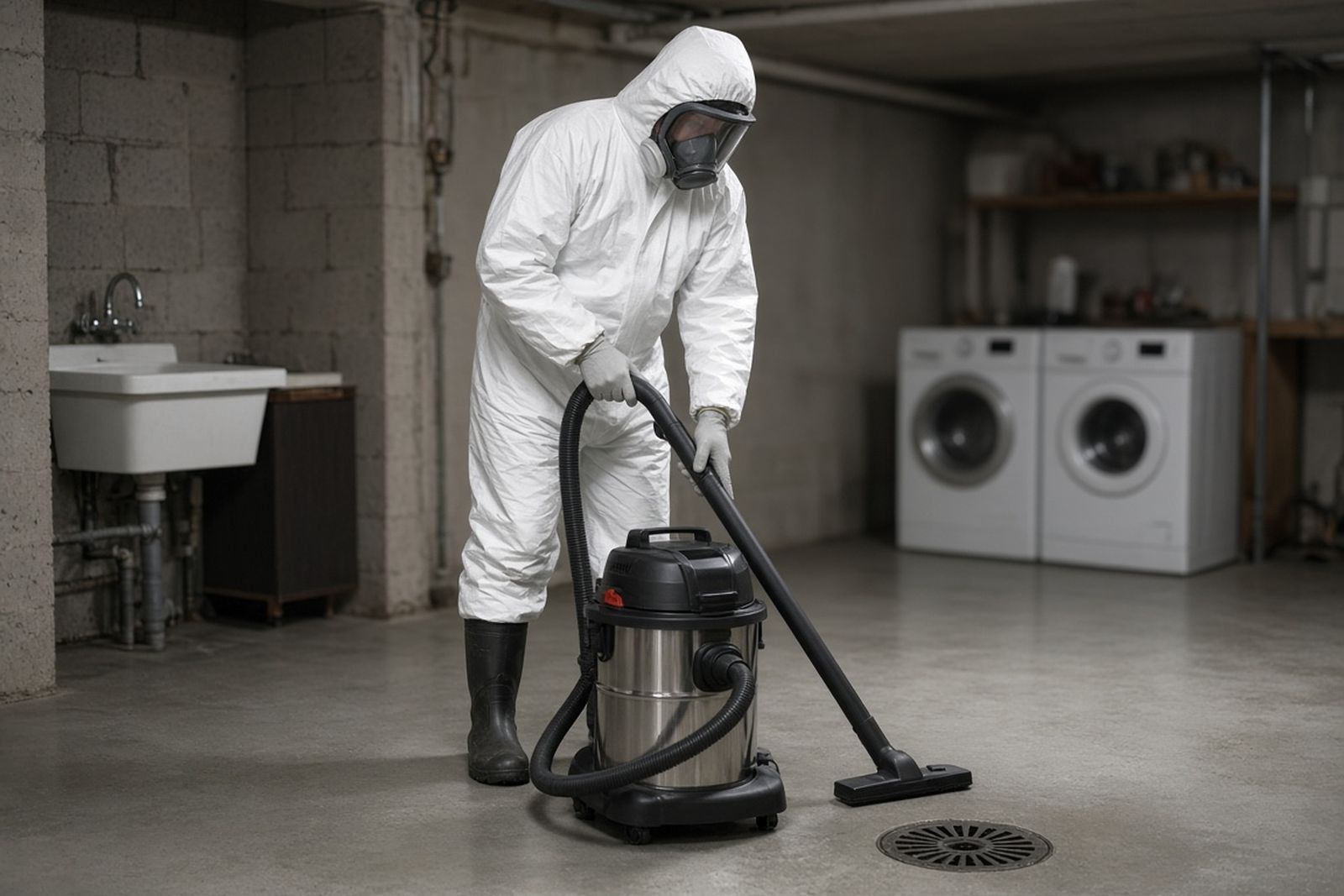
Most quotes start with protective setup and removing the bulk of the mess. Workers wear protective gear. They seal off the area so foot traffic does not spread contamination. They remove solids and liquids in ways that limit splashing and mist. That step matters because disinfectants work poorly when waste is still there. The mess must be lifted first. Only then can a product do its job on the surfaces underneath.
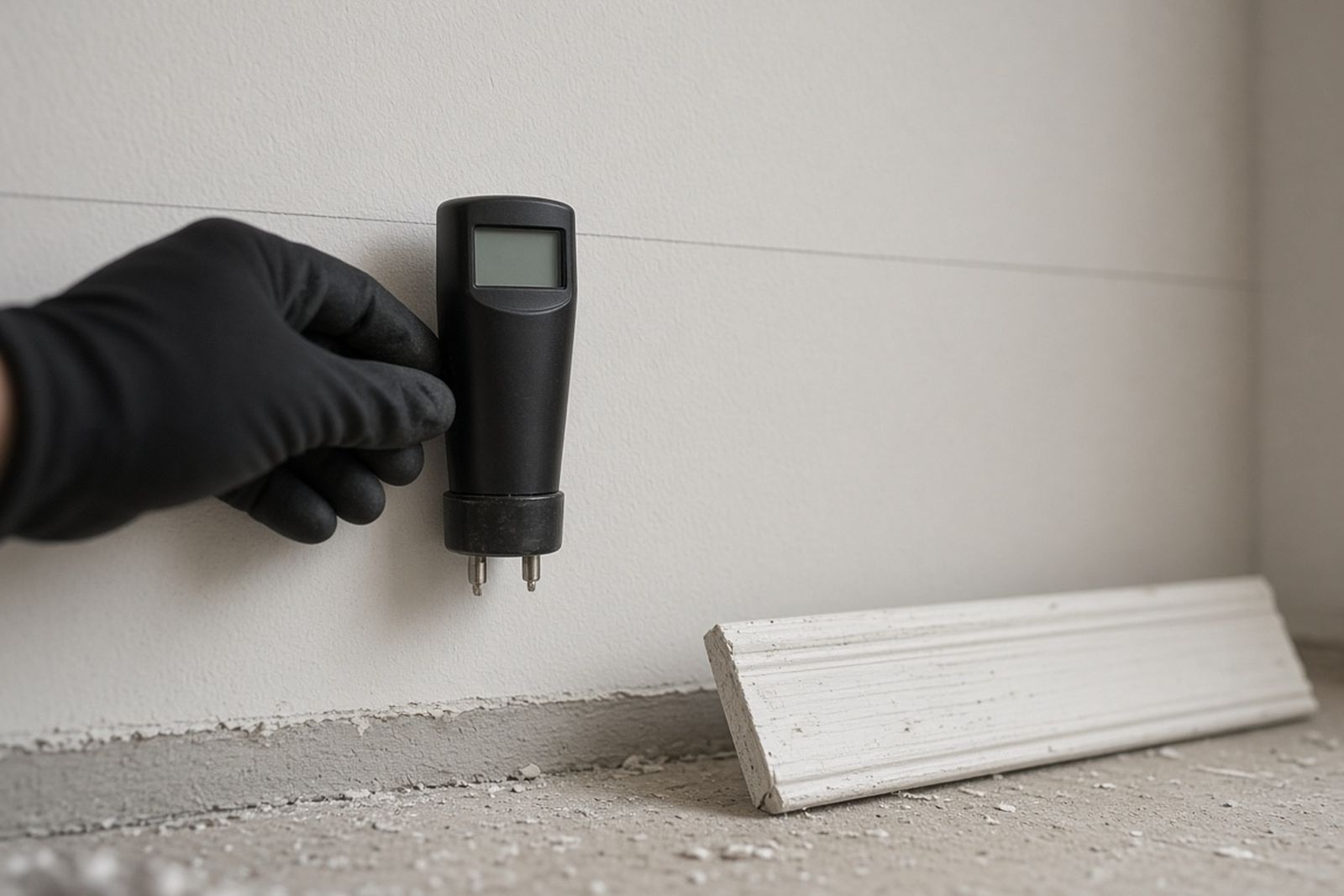
Next, the crew maps moisture to find how far fluid soaked in. They remove soaked materials, clean, and disinfect. Carpet and pad, baseboards, lower drywall, and sometimes subfloor may need to come out when liquid soaked in. Hard surfaces are cleaned. Then they are treated with approved disinfectants, left wet for the full time on the label. The quote should also list waste packing and disposal, odor control, and any drying equipment. Rebuild items, like new flooring or drywall, are often priced as a separate phase.
- Protective setup and sealing off the affected area
- Removing solids and pulling up liquids
- Moisture mapping to trace how far fluid soaked in
- Tearing out soaked carpet, pad, baseboard, or drywall
- Cleaning, then disinfectant left wet for the time on the label
- Waste packing, hauling, and disposal records
- Drying, odor control, and later rebuild work
Which factors widen or narrow the range?
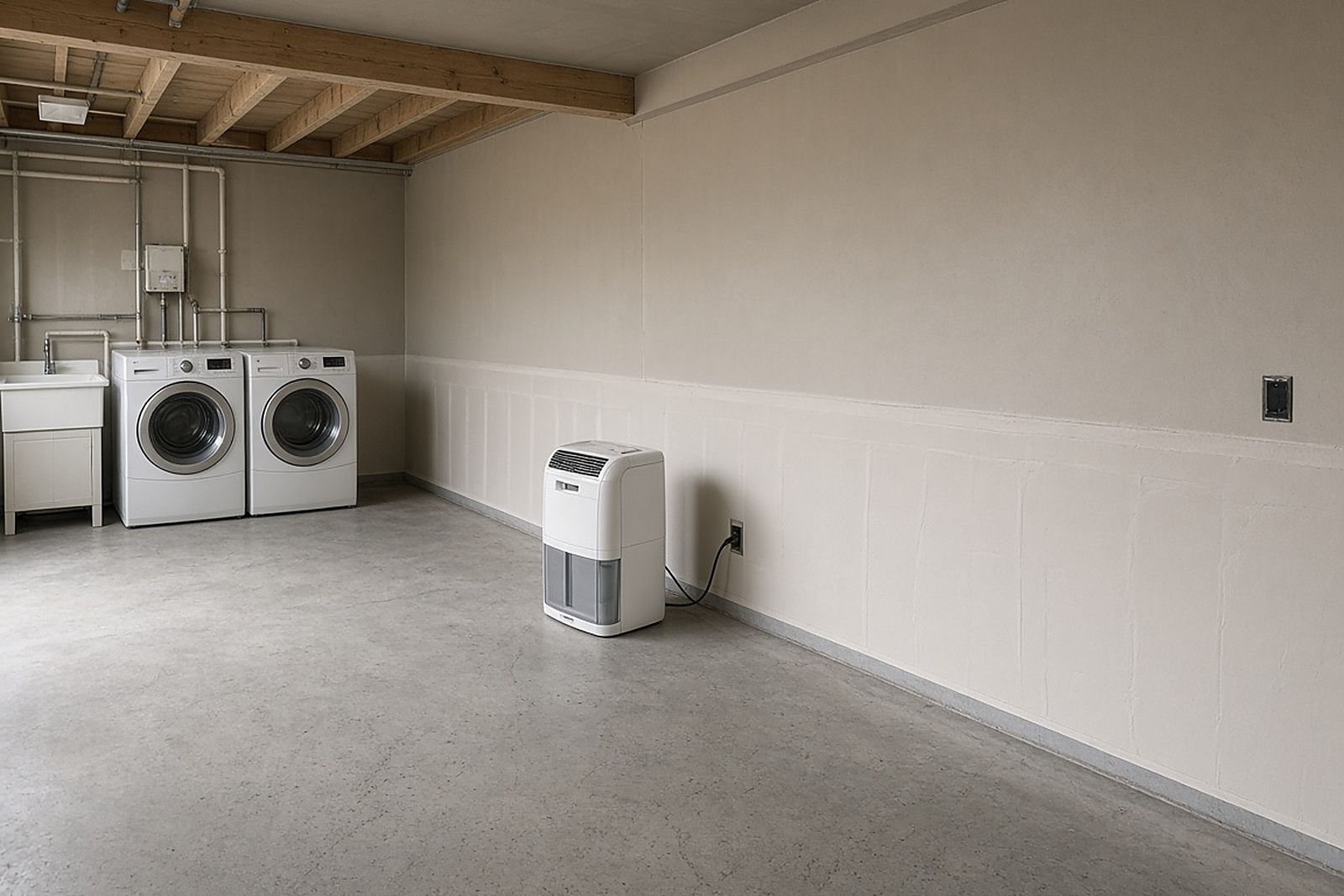
The source and amount come first. One accident on tile is a very different job from a sewer backup that spread through a finished basement. It is also different from urine that soaked into a subfloor over many months. The restoration industry calls sewage and similar water grossly contaminated. That kind of water usually means soft, absorbent materials must be removed. After a clean-water leak, those same materials might be dried and kept.
Time since the event matters too. Fresh spills can often be contained quickly. Older contamination may have spread into padding, wall spaces, and wood framing, with odor and germ growth to match. The materials also shape the cost. Sealed tile and vinyl clean well. But carpet, unsealed wood, and drywall usually cannot be saved once soaked. Access, whether people are living there, and whether vulnerable people need to return soon all add more variation.
Why does thorough disinfection matter for the budget?
Skipping proper disinfecting can cost far more than it saves. Human waste can carry germs that spread easily through homes and workplaces. Sometimes they make many people sick. The Centers for Disease Control and Prevention reported in 2024 that foodborne norovirus illness alone costs the US about $2 billion a year. Most of that is lost work time and health care costs. It shows how disruptive these illnesses can be on a large scale.
For your own property, that is a reason to pay for the steps that really stop germs from spreading. First, the waste must be removed. Next, the product's label must fit the germ and the surface. Last, surfaces must stay wet for the full time on the label. Ask the provider which product it plans to use and why. Some quotes just say sanitize, with no product names or wet times. Then you cannot judge whether the work was good enough.
How should you read an itemized quote?
Check that the quote names each affected room. It should describe the work in specific terms. For example, it might say remove and bag carpet and pad in the hallway. It might say cut drywall to a stated height above the moisture line. Or it might say treat the subfloor with a sealing primer after cleaning. Specific wording lets you confirm the work matches the moisture readings. It also gives you a record if a problem comes back later.
Then look for the moisture map and photos that support any tear-out. A good provider can show you where readings were high. They can explain why a material was removed instead of cleaned. Check whether the quote includes drying equipment and how long it will run. Ask who confirms things are dry before rebuild begins. Last, compare how each provider describes disposal. Clear records of waste handling protect you if anyone later asks how the materials left the property.
Which hidden costs tend to appear later?
Plumbing repair is the most common surprise. The cleanup provider usually cleans up after the failure. But it does not fix the pipe, drain, or sewer line that caused it. That work may need a separate licensed plumber. Sometimes the plumber must run a camera through the line. If the source is not fixed, the same problem may come back and undo the cleanup. So it is worth booking the plumbing check early.
Other costs people miss include a place to stay if the only bathroom or kitchen is affected. Personal items like rugs, clothing, and toys may need replacing. A business may lose income if it must close part of its space. In rentals, arguments over who caused the problem can delay work and let damage spread. Track these costs carefully from the start. That helps if you seek repayment from an insurer or another party.
Who usually ends up paying?
Who pays depends on the cause and the setting. Homeowners usually pay directly, or through their own insurance when coverage applies. In rentals, landlords usually handle cleanup tied to the building, especially when the source was plumbing or a sewer line. Tenants may be responsible for damage they caused. Employers usually pay for cleanup in workplaces. They must also protect workers who might be exposed during the work.
When a city sewer main causes a backup, some cities accept claims, though results vary. When a family member is caring for an aging relative at home, costs often fall to the household or the relative's estate. Rules vary by state and county. Check with the local authority. Get the responsible party named in writing before work begins. That helps avoid disputes after the job is done.
What might a real overflow cleanup look like?
Imagine a family comes home from a weekend away. A toilet overflowed while they were gone. Waste water spread through a bathroom, a carpeted hallway, and part of a bedroom. The first provider quotes carpet cleaning and a disinfectant spray. The second quotes removing the hallway and bedroom carpet and pad and the lower drywall in the bathroom. It also includes disinfecting the subfloor, drying equipment, and waste disposal.
The second quote is higher. But the provider shares a moisture map. It shows liquid moved under the carpet and into the base of the wall. Cleaning the carpet alone would likely leave contamination and odor behind. The family also books a plumber to fix the toilet's fill valve. They compare the work and the proof behind it, not just the price. That points them to the plan that will really solve the problem.
Estimate your range
Feces & Bodily Fluid Cleanup cost range estimator
Educational only. Real pricing needs an on-site assessment and a written scope. Insurance coverage is decided by your carrier, not by this tool.
Relative cost level: Mid range
No published national reference range met our sourcing standard for this category, so the tool shows a relative level instead of dollars. Ask two or three providers for written, itemized quotes.
Cost level: Mid range.
None of the big cost multipliers are selected. Minimum service charges, travel and waste fees still apply.
Ask every quote to itemize labor, containment, product, waste disposal, verification sampling, and any rebuild, and to state what is excluded.
Open the full tool page for a worked example and more answers.
Costs questions about feces & bodily fluid cleanup
Why can't carpet simply be shampooed after sewage contact?
Carpet, and even more the pad under it, soaks liquid deep into its fibers and backing. Cleaning products cannot reliably reach that far. Sewage and similar waste carry germs that may stay after surface cleaning. Odor also comes back as the material dries. For these reasons, industry guidance usually says soaked carpet and pad from grossly contaminated water should be removed, not cleaned. Ask your provider to explain its advice.
Are small accidents worth a professional visit?
Not always. A small, fresh accident on a hard, sealed surface can often be handled with gloves and paper towels. Use an approved disinfectant and follow its label. Professional help makes more sense in some cases. These include liquid soaked into carpet or wood, a sewage source, a large area, or someone in the home with health risks. When in doubt, a quick check can help you decide.
Does the price include fixing the plumbing?
Usually not. Cleanup companies clean and restore the affected area. Fixing the pipe, drain, fixture, or sewer line usually needs a licensed plumber. Some cleanup firms arrange that work, and others leave it to you. Ask each provider whether plumbing is included, left out, or handed to another company. Make sure the source is fixed before rebuild begins so the problem does not come back.
How do providers handle repeated incidents in a caregiving home?
A loved one may have repeated accidents. Then a provider may suggest cleaning up now and making changes to prevent future damage. That could mean replacing carpet with sealed flooring or adding protective coatings. Some offer repeat service at a set rate. Talk with the provider about the pattern instead of treating each event alone. That can lower total costs. It can also help protect the person's dignity.
Will odor treatment cost extra?
It may. Odor usually goes away once the source is removed and the area is disinfected and dried. But odor that lingers in the subfloor or framing sometimes needs a sealing primer or special treatment. Ask whether odor control is part of the base price or an optional line. Ask how the provider will confirm that the source of the odor has been dealt with, not just the smell.
Can I get a quote over the phone?
A phone call can give you a rough idea. But accurate quotes usually need a visit with moisture readings. Liquid often spreads farther than it looks, and that hidden spread drives most of the cost. Photos help, but they cannot show what is under flooring or behind baseboards. Be careful with firm prices given without an inspection. They may change once work starts.
What records should I keep from the cleanup?
Keep the itemized quote, the moisture map, and before and after photos. Keep the product names and how long each stayed wet. Also keep disposal records and the final bill. These papers help with insurance claims, landlord or tenant disputes, and future sales or inspections. If a problem comes back, they show what was already done. That helps a new provider understand the history quickly.
What other visitors said
Every count is a real visitor vote; nothing is seeded or padded. One vote per poll per device, and you can change your answer.
When you discovered a sewage backup or waste problem at home, what did you do first?
How did you decide whether soaked carpet could be saved?
More on feces & bodily fluid cleanup
Feces & Bodily Fluid Cleanup services
See how pro cleanup of sewage, waste, and soaked materials really works in homes and rentals. Learn about moisture checks, removing materials, and records.
Insurance and payment
Which policies may respond, how to document a claim, and what to do if coverage is denied.
Planning tools
Use hands-on tools to see cost drivers, check a company, organize a claim, plan the first day, sort debris, and weigh doing it yourself.
Community polls
See how other homeowners, landlords, and caregivers handled sewage backups and waste messes. Compare their choices with the one in front of you.
Knowledge quiz
Test what you know before you call a company or start cleanup. Learn to spot hazards, keep a mess in one place, clean in the right order, and deal with waste.
Articles and resources
Read practical articles on rental move-outs, pet urine soaked into floors, accidents in elder care, and sewage claims. They are written for people facing these problems for the first time.
Field guides
Step-by-step guides walk through common home situations. They explain what to expect, what to record, and which choices depend on local rules.