Free feces & bodily fluid cleanup tool
Feces & Bodily Fluid Cleanup DIY or Call a Pro? Risk Check
Eight yes-or-no questions that produce a risk level and explain when professional help is the safer choice.
Not every accident of this kind needs a pro. Most households can handle one spot of vomit on a tile floor if they clean it quickly with gloves and a labeled disinfectant. A sewage backup across carpeted rooms, or waste that built up for months, is a different story. The trouble is the middle ground. That is where people talk themselves into a job that ends with a lasting odor, a ruined subfloor, or an exposure. This risk check asks a short set of yes-or-no questions. They cover the material, the surface, how long it sat, who lives in the home, and whether there are signs of needles or sewage. Then it places your situation on a risk scale and explains why.
The explanation is the point. A high-risk result does not mean you cannot do it. It means the things that make DIY go wrong are present. Soft surfaces may hide pockets of mess. Germs may spread easily. People in the home may be more at risk from exposure. A low result comes with the safe order of steps and what to watch for afterward. The tool cannot judge one person's health. So if anyone in the home is pregnant, has a weak immune system, is very young, or is elderly, read the result as more cautious than it looks. Ask a doctor about exposure. Rules on handling waste still apply, even for small jobs, and they vary by state and county.
How to use it
- 1Answer every question as things actually are, not as you hope they are after a quick wipe.
- 2Read the risk level and the specific factors that drove it.
- 3If the result is low, follow the safe steps given. Stop if you find hidden soaking.
- 4If the result is moderate or high, use the vetting checklist to bring in a provider.
Prefer to ask a person?
Your request is sent to the follow-up inbox. A coordinator can reply by email. Not for emergencies; call 911 first if anyone is in danger.
Check whether DIY is safe
Feces & Bodily Fluid Cleanup: DIY or call a pro?
Eight yes-or-no questions. The result is an educational risk level, not a safety clearance.
1. Is there blood, body fluid, or anything that could carry a bloodborne pathogen?
2. Has the material soaked into carpet, padding, a mattress, drywall or a subfloor?
3. Is there a strong or lingering odor?
4. Could needles, broken glass, drug residue or unknown chemicals be present?
5. Does the affected area cover more than a small spot, or more than one room?
6. Will children, older adults, pregnant people or anyone immunocompromised use the space afterward?
7. Do you need documentation for insurance, a landlord, a sale, or an estate?
8. Would you be doing this while grieving, exhausted or under time pressure?
8 questions left to answer.
A worked example
Imagine a made-up tenant whose roommate's dog had an upset stomach overnight. It left several spots on the living room carpet and one on the kitchen vinyl. The tenant runs the risk check. The material is animal waste, and the surfaces are mixed. The accidents are fresh. No one in the apartment has a health problem. There is no sewage and there are no needles. The result comes back moderate. The explanation points to the carpet. The pad below can soak up fluid that the surface cleaner never reaches. So there is a real chance odor and residue will come back, even after careful work. The tool suggests the tenant clean the vinyl using the steps provided. Then they should lift the carpet edge at one spot to see whether the pad is wet. They do, and it is. That one finding shifts the carpet toward a pro, while they finish the kitchen. Because it is a rental, the tool also reminds them to tell the landlord in writing and to photograph the spots first. The risk check did not decide for them. It told them which fact to check and what it would mean.
Numbers behind diy risk check decisions
- 100 ppm
The NIOSH IDLH for hydrogen sulfide, the 'rotten egg' gas from sewage, is 100 ppm; 700–1,000 ppm causes rapid unconsciousness and death.
Read with care: Olfactory fatigue at 100 ppm means people stop smelling it as danger rises.
Source: NIOSH (CDC) (1994)US occupational exposure guidance
- 465,000 ED visits
Norovirus is responsible for 465,000 emergency department visits and 2.27 million outpatient visits annually, mostly in young children.
Read with care: Estimates derived from surveillance modeling.
Source: CDC (2024)United States, annual estimate
- 300 ppm
The NIOSH IDLH for ammonia, generated by decomposing urine and feces, is 300 ppm, while the OSHA permissible limit is 50 ppm averaged over a shift.
Read with care: Residential ammonia levels are rarely measured; the value is a workplace benchmark.
Source: NIOSH (CDC) (1994)US occupational exposure guidance
- 23,000–75,000 per year
EPA estimates there are at least 23,000 to 75,000 sanitary sewer overflows per year in the US, not counting sewage backups into buildings.
Read with care: Building backups are excluded, so household sewage events are additional.
Source: US EPA (2026)United States, municipal systems
These figures are public research and agency data, not this network's own job records. Keep each number with its population, year and limits; none of them predicts cost, timing or outcome at a specific property.
DIY or Call a Pro? Risk Check questions for feces & bodily fluid cleanup
Which answers push the result to high risk?
Several things weigh heavily. These include sewage as the source and a mess that reached pad, subfloor, or drywall. Material that dried and could get into the air counts too. So do needles or unknown items. It also matters if a baby, an older person, or someone with a weak immune system lives in the home. Any one of those alone can raise the result.
If I get a low result, what equipment do I need?
You need throwaway gloves, eye protection, and paper towels or throwaway cloths. You need soap or an enzyme cleaner for the mess. You need an EPA-registered disinfectant, and you should read the label for the contact time. Have sealable bags for waste and open the windows. Never mix products. Wash your hands and forearms after you take off your gloves. The tool's safe-steps page lists the order.
Can I handle a small sewage incident myself?
The tool treats sewage as a high risk factor no matter the size. The germs involved are one reason. Another is that sewage tends to reach soft materials. So small jobs that look easy are hard to trust. If the amount is truly tiny and only on a hard, sealed floor, the explanation will say so. But it will still suggest a pro's inspection if there is any doubt about where the water went.
What about repeated accidents from an older parent?
Ongoing incontinence that reaches furniture and carpet is a problem that builds over time. The check takes into account how long it has gone on. One accident cleaned right away may score low. The same thing repeated for weeks scores higher, because the mess builds up in padding and frames. Talk with the care team about hygiene supplies and routines. That side is outside what this tool covers.
Why does the tool ask about pets?
Pets walk through dirty areas and carry residue to other places. Cleaning chemicals can also harm them while the product is wet. If a pet caused the problem, its habits also hint at whether it will happen again. The tool uses your answer to add steps that keep the mess contained. It also flags when a room needs to stay closed longer than the label's dry time alone suggests.
The sewage or urine turned out to reach the subfloor. Is my earlier result still valid?
Probably not, so answer the questions again with what you know now. A low result can go higher for many reasons. Fluid may have soaked under flooring or into drywall. Odor may linger after surface cleaning. You may find a sharp object in the mess. Or someone at higher risk may be moving in. Running it again takes only a few minutes. It helps you decide whether the job has grown past a home cleanup.
Can I use the risk check for a workplace or a rental unit?
You can use it to think through the hazards, but the result is written for households. Employers have their own safety duties to workers who clean up waste. Landlords have duties to tenants. If you run a business or rental property, use the result as a starting point. Follow your workplace safety plan or bring in a company. Do not ask staff to make it up as they go.
Related community polls
Every count is a real visitor vote; nothing is seeded or padded. One vote per poll per device, and you can change your answer.
When you discovered a sewage backup or waste problem at home, what did you do first?
How did you decide whether soaked carpet could be saved?
Other feces & bodily fluid cleanup tools
Cost Range Estimator
Set the affected area, surface types, severity and extras to see an educational cost range and the factors that move it.
OpenProvider Vetting Checklist
Fifteen questions to ask any remediation provider, a readiness score, and a copyable list of what is still unanswered.
OpenInsurance Claim Organizer
A guided checklist from finding the policy to tracking the carrier decision, with a printable summary of where the claim stands.
OpenFirst 24 Hours Planner
Tell the planner a few facts about the situation and get an ordered list of who to call, what not to touch, and what to photograph.
OpenWaste & Disposal Classifier
Five questions about the material point to the likely waste category and which authority to confirm the rules with.
OpenMore on feces & bodily fluid cleanup
Feces & Bodily Fluid Cleanup services
See how pro cleanup of sewage, waste, and soaked materials really works in homes and rentals. Learn about moisture checks, removing materials, and records.
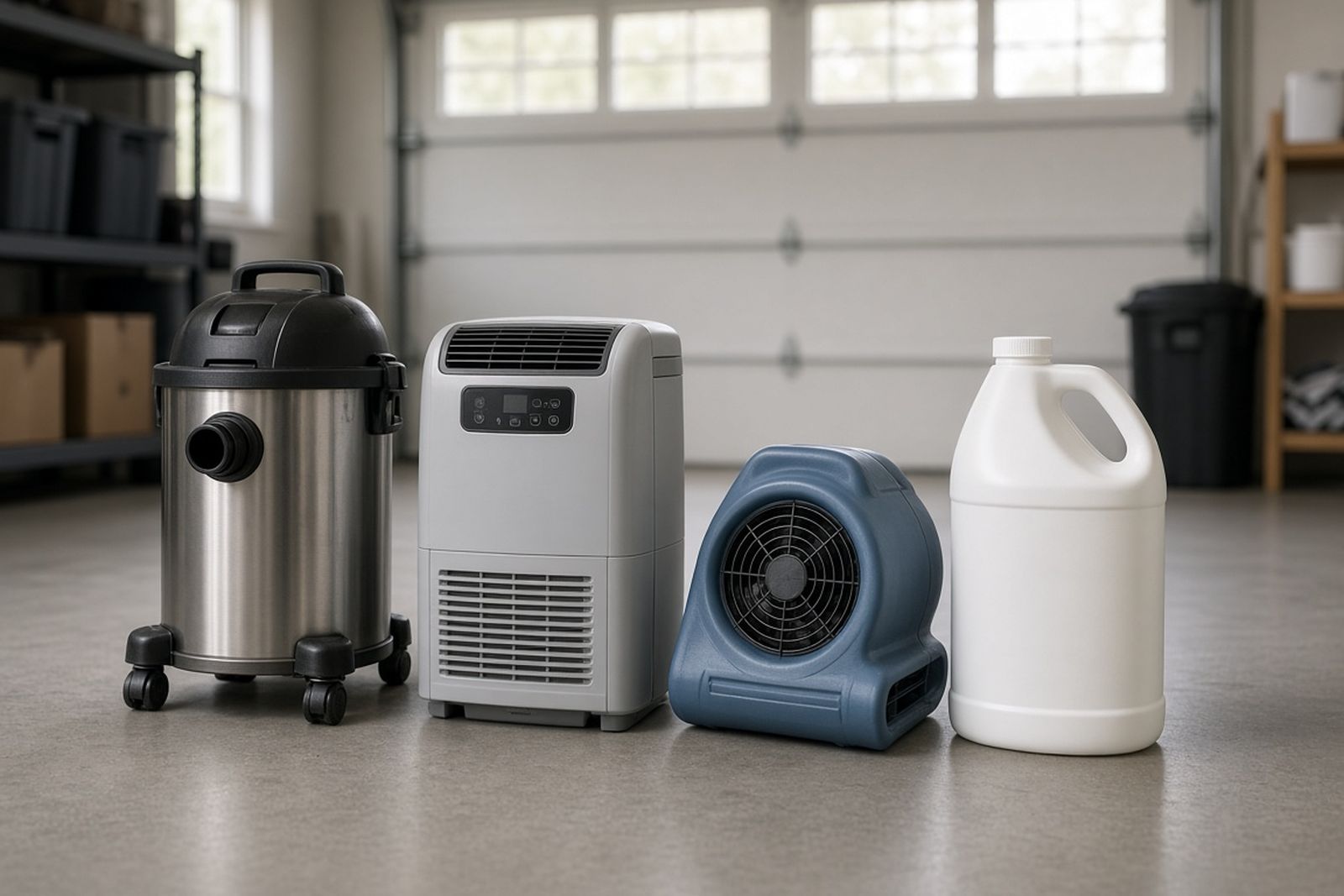
Costs explained
What drives the price, published cost ranges, and how to read a written quote line by line.
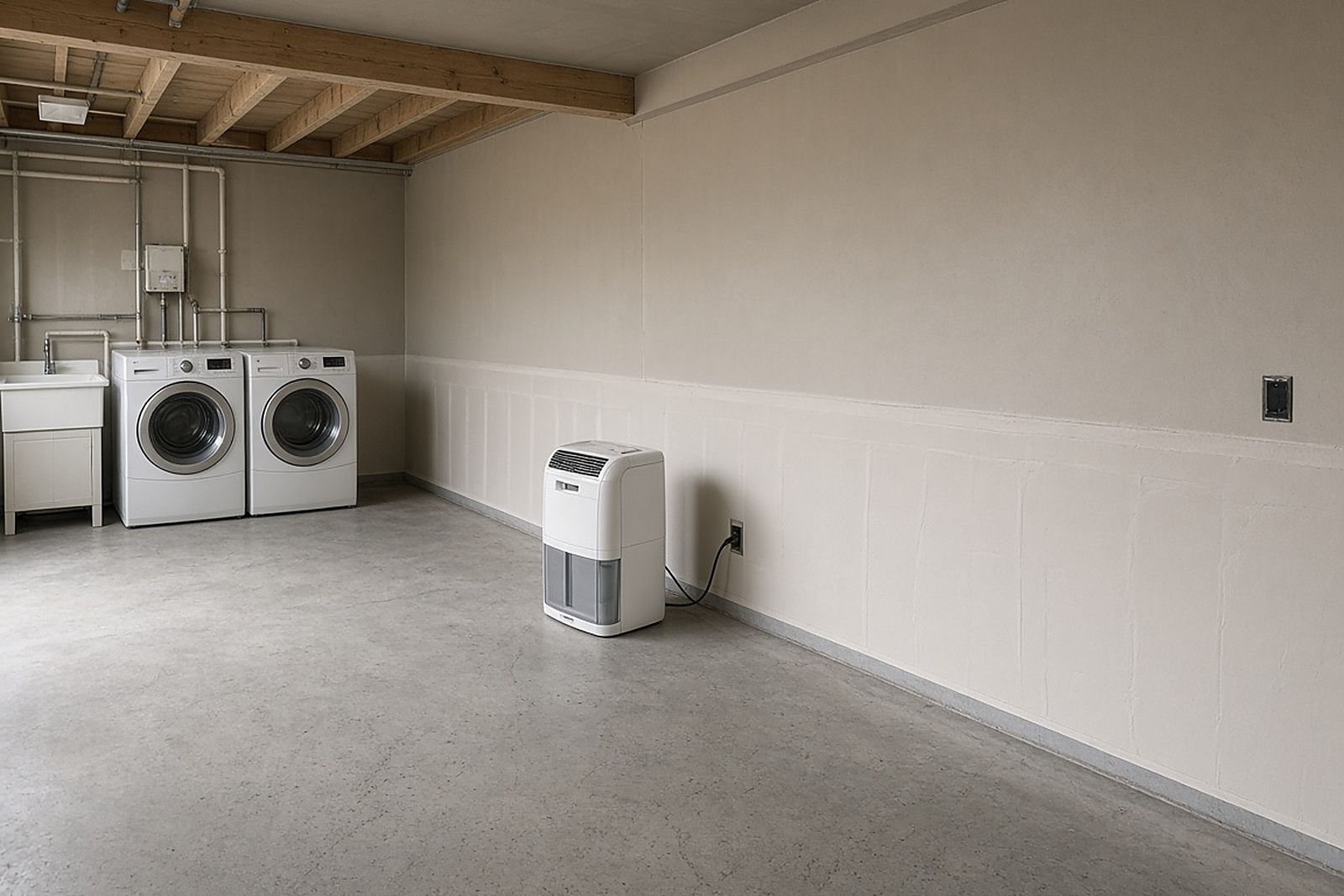
Insurance and payment
Which policies may respond, how to document a claim, and what to do if coverage is denied.
Community polls
See how other homeowners, landlords, and caregivers handled sewage backups and waste messes. Compare their choices with the one in front of you.
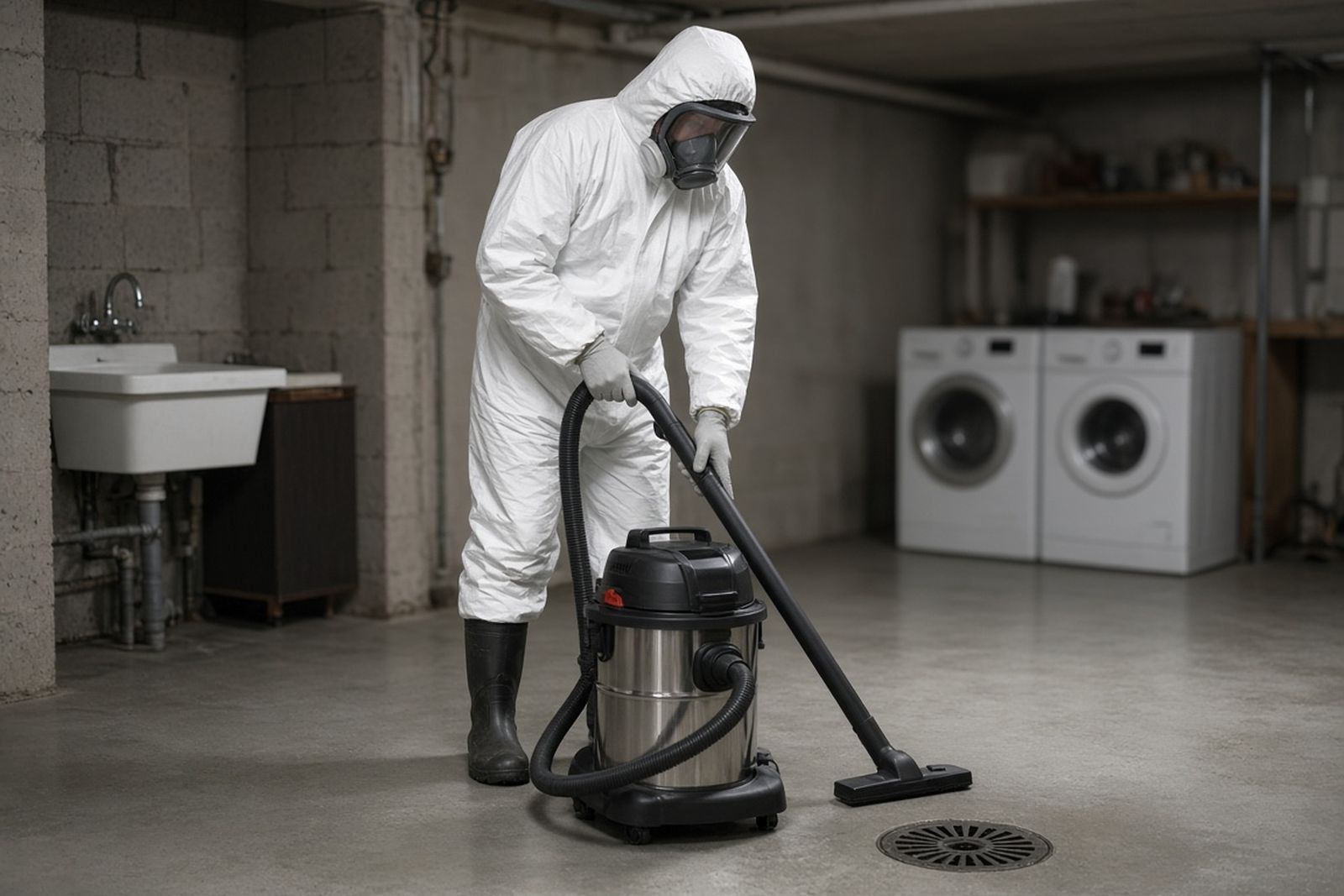
Knowledge quiz
Test what you know before you call a company or start cleanup. Learn to spot hazards, keep a mess in one place, clean in the right order, and deal with waste.
Articles and resources
Read practical articles on rental move-outs, pet urine soaked into floors, accidents in elder care, and sewage claims. They are written for people facing these problems for the first time.
Field guides
Step-by-step guides walk through common home situations. They explain what to expect, what to record, and which choices depend on local rules.