Feces & Bodily Fluid Cleanup community polls
See how other people handled the same decisions, then add your own answer.
Most people who look for help with a sewage backup or a waste-filled rental have never faced one before. That is exactly why community opinion matters. Polls on this site ask homeowners, landlords, caregivers, and property managers how they really made their choices. Did they try cleaning first? How did they decide a carpet could not be saved? What do they wish they had asked before signing a work order? The combined answers show where other people hesitated, what they regretted, and which parts surprised them. You do not have to follow the crowd. But seeing how others weighed the same tradeoffs can shorten the anxious time between finding the problem and choosing a path.
Get an email reply about feces & bodily fluid cleanup
Send a short message to the follow-up inbox. A coordinator can reply by email. This form does not send emergency help; call 911 first if anyone is in danger.
Vote on the questions that matter here
Every count is a real visitor vote; nothing is seeded or padded. One vote per poll per device, and you can change your answer.
When you discovered a sewage backup or waste problem at home, what did you do first?
How did you decide whether soaked carpet could be saved?
As a landlord, how do you usually handle a unit left with waste or fluid damage at move-out?
Did you file an insurance claim for a sewage or fluid loss?
Which part of a remediation quote was hardest to understand?
What worried you most about doing the cleanup yourself?
Why opinions matter in feces & bodily fluid cleanup
The choices in this area tend to group around a few pressure points. Do you move the household out tonight or wait for an inspection? Do you file a claim, knowing sewage coverage often depends on a specific add-on? Or do you pay yourself to keep your claim history clean? Do you pull up the flooring yourself to save money, or does that create a bigger disposal problem? Landlords face more questions about deposit deductions, notice to tenants, and whether a mess in one unit affects the one below. Caregivers struggle with how to handle repeat accidents without turning a home into a work site. Our polls are built around those forks, so the results speak to something you will really decide.
Poll results are opinions and memories, not measurements. Say most people report they handled a small bathroom accident themselves. That tells you what people chose, not whether that choice was safe for them. Use the results to come up with questions for a company, an insurance agent, or a housing agency, not to settle them. Notice how each poll is worded, who is likely to have answered, and whether your situation matches theirs. A landlord clearing an empty unit and a parent cleaning a nursery are answering from different worlds. When a poll result conflicts with a product label, a plumber's finding, or a local rule, the written source wins every time.
How to read poll results
An opinion poll captures what a group of visitors chose to say on a given day. They chose to answer on their own. Nobody checked their claims or whether they described the same kind of loss. Nobody weighted the answers by experience. That makes polls useful for seeing attitudes and common worries. But they are poor at showing how often something happens in real life. When you see a lopsided result, ask why the people who answered might lean that way. Someone who had a bad experience with a contractor is more likely to vote. Someone whose job went smoothly may have simply forgotten about it.
A sourced number comes from a named group with a stated method. That might be a public health agency, an insurance industry group, or a standards group. It answers a narrower question with far more care. You can trace it back and read the fine print. On this site, the numbers in the By the numbers sections are sourced and cited. They are kept apart from anything visitors vote on. When the two disagree, treat the poll as a way to start a talk. Treat the number as the thing you would repeat to an adjuster or a judge.
How voting works
One vote per poll per device; you can change your answer. Votes are stored as anonymous counts with a salted, hashed identifier and never linked to a name, email or form submission.
Opinion versus observation
Findings from published studies of people and properties in situations like this one. They describe what researchers observed in a specific group; they are not predictions for your case.
Both groups improved before remediation, while receiving asthma-management support.
More serious home damage predicted adverse cleanup-related outcomes.
Sourced numbers next to the opinions
Polls show what visitors think. These figures come from published research and agency data, so you can compare perception with evidence.
- 2,500 outbreaks
About 2,500 norovirus outbreaks are reported in the United States each year, most spread by direct person-to-person contact.
Read with care: Reported outbreaks undercount household clusters.
Source: CDC (2024)United States, reported outbreaks per year
- $50–$250/year
Standard homeowners insurance does not typically cover water or sewer backup; an optional endorsement costs roughly $50 to $250 per year with limits starting around $5,000.
Read with care: Single insurer's general guidance; premiums and limits vary by carrier and state.
Source: The Hanover Insurance Group (2024)US homeowners policies, insurer guidance
- 1 in 60 homes
About 1 in 60 insured homes files a water damage or freezing claim each year, with an average payout of $15,400 and 22.6% of all homeowner claims in 2023.
Read with care: Water damage category includes burst pipes and is not limited to sewage backups.
Source: Insurance Information Institute (2025)US homeowners insurance claims, 2019–2023
- ~500,000 infections
C. difficile causes almost half a million infections in the US each year, and its spores can survive for months or years on surfaces and in soil.
Read with care: Most infections follow antibiotic use; environmental exposure is one contributing route.
Source: CDC (2024)United States, annual estimate
These figures are public research and agency data, not this network's own job records. Keep each number with its population, year and limits; none of them predicts cost, timing or outcome at a specific property.
Questions about feces & bodily fluid cleanup polls
Who answers the polls on Sanitary Space Help?
Anyone who visits can vote. That usually means a mix of homeowners in the middle of a sewage problem, landlords handling a move-out, and caregivers. Now and then, people who work in cleanup vote too. No one is screened for experience or location. That mix is a strength for spotting common worries. It is a weakness for anything you would want to treat as a fact. So read the results with that audience in mind.
Can I vote more than once or change my answer?
The polls take one answer per visitor per question, and a vote is final once you cast it. If your situation changes, it is better to leave a comment on the related guide or blog post than to try to vote again. Poll totals are meant to show first impressions. Blocking repeat votes keeps the snapshot honest and easy to compare over time.
Why do some polls ask landlords and others ask caregivers?
The same physical problem comes with different duties depending on who is standing in the room. A landlord clearing a unit has lease duties and deposit rules to think about. A caregiver handling repeat accidents worries about dignity, routine, and ongoing supplies. Splitting the questions by role keeps the options on point. It also stops one group's answers from drowning out the other's.
Do poll results influence which providers the network refers?
No. Company matches are based on service area and the type of work you need, not on poll results. Polls exist to help readers think through their own choices and to shape which topics we write about next. If many visitors say they struggled to understand a quote, that tells us a guide on reading work plans is needed, and nothing more.
Should I make a decision based on a poll result?
Treat a poll as one input among several. A result may raise a question you had not thought of, such as whether to check the subfloor before replacing carpet. If so, take that question to a company, your insurer, or a local building official. Rules vary by state and county. No group of anonymous voters can tell you what applies to your property.
How often are the poll questions updated?
New questions are added as topics come up in reader emails and blog comments. Older ones are retired when they stop getting votes or start to feel dated. Running totals stay visible on active polls, so you can see how opinion shifts. If you think an important question is missing, use the contact page to suggest it.
Are the poll results used anywhere else on the site?
Now and then, a blog post or guide will mention a poll to show how split readers are on a topic. It always notes that the result is opinion, not data. Results are never mixed into the sourced numbers sections. We keep the two apart on purpose, so nobody mistakes a visitor vote for a public health finding.
More on feces & bodily fluid cleanup
Feces & Bodily Fluid Cleanup services
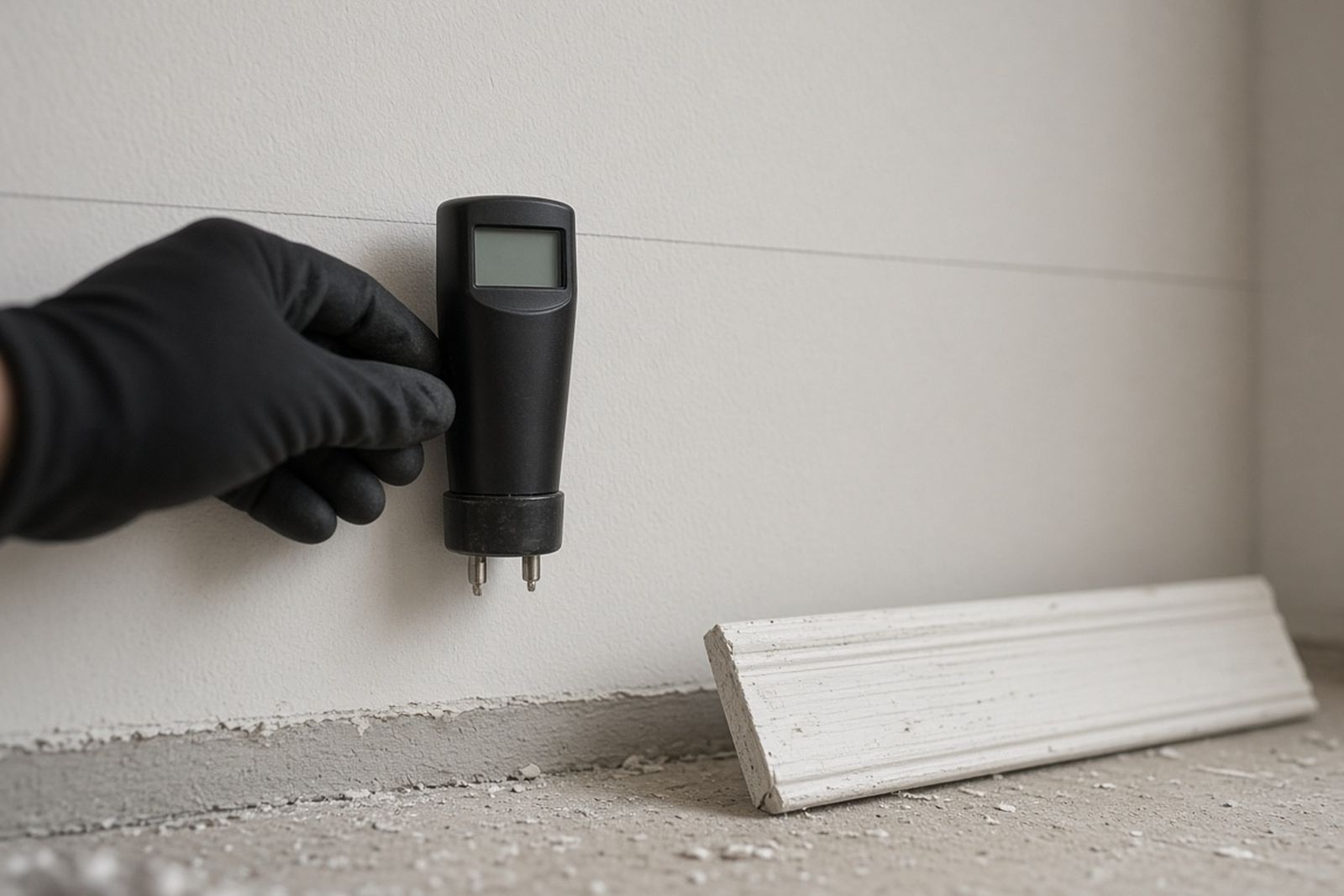
See how pro cleanup of sewage, waste, and soaked materials really works in homes and rentals. Learn about moisture checks, removing materials, and records.
Costs explained
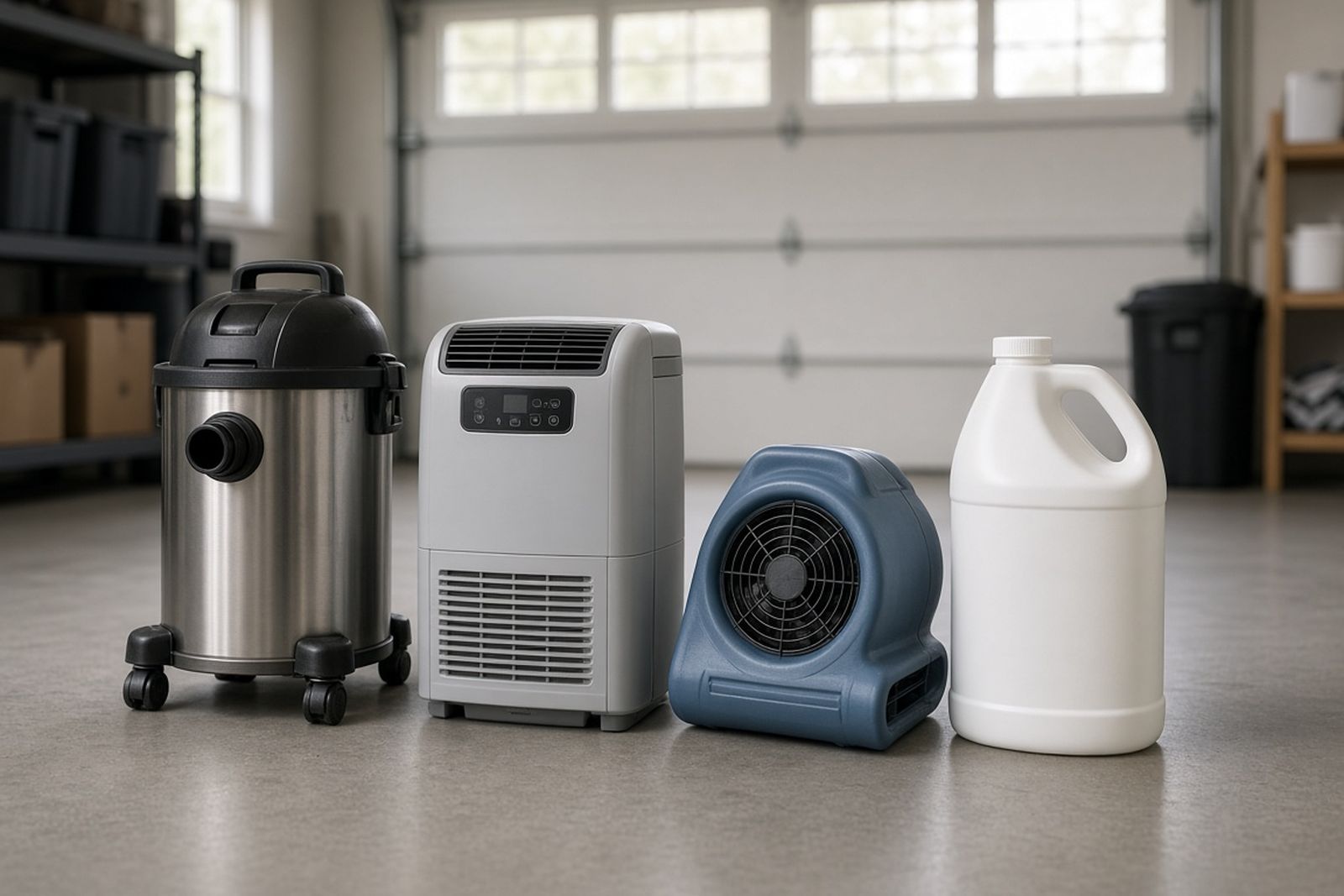
What drives the price, published cost ranges, and how to read a written quote line by line.
Insurance and payment
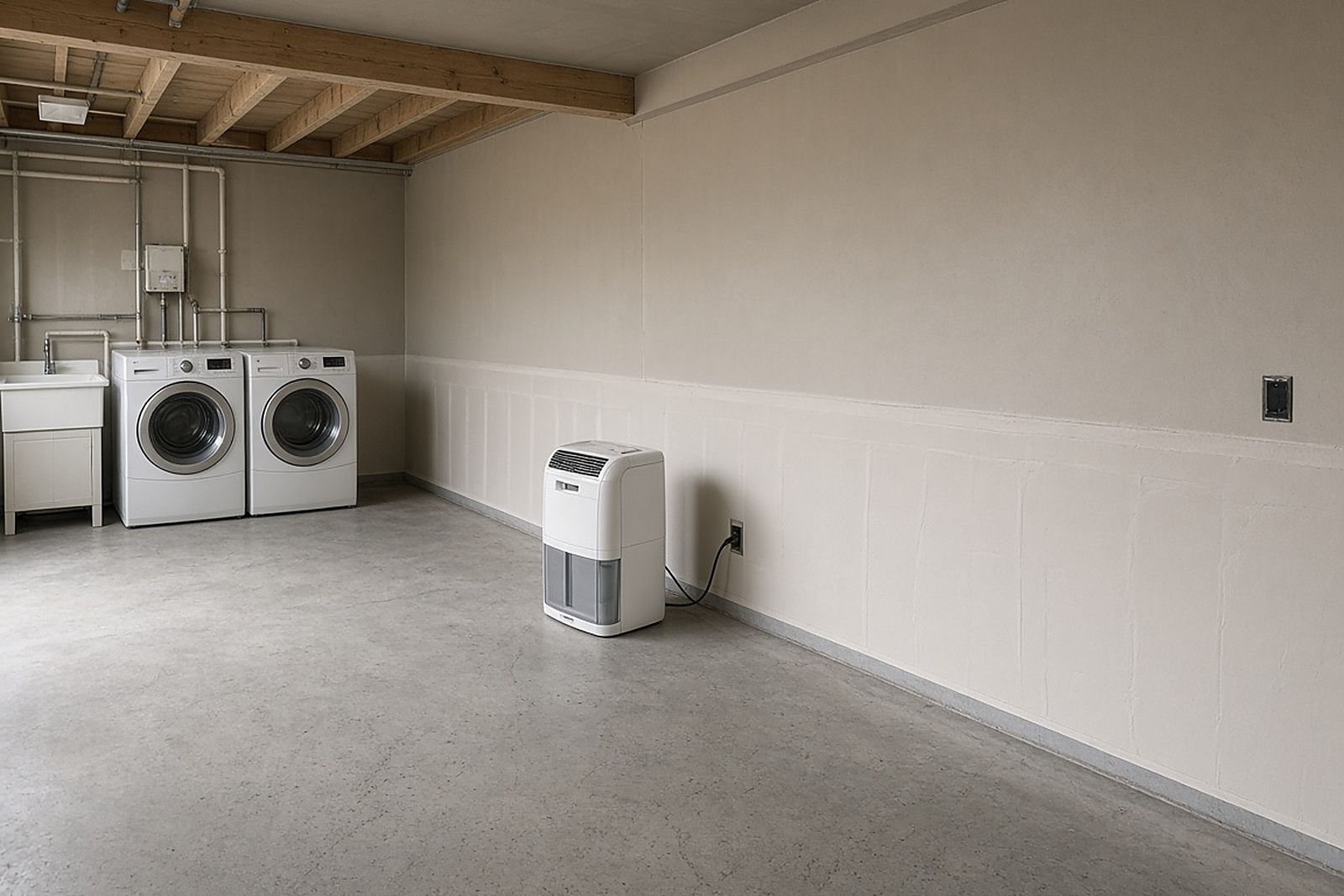
Which policies may respond, how to document a claim, and what to do if coverage is denied.
Planning tools
Use hands-on tools to see cost drivers, check a company, organize a claim, plan the first day, sort debris, and weigh doing it yourself.
Knowledge quiz
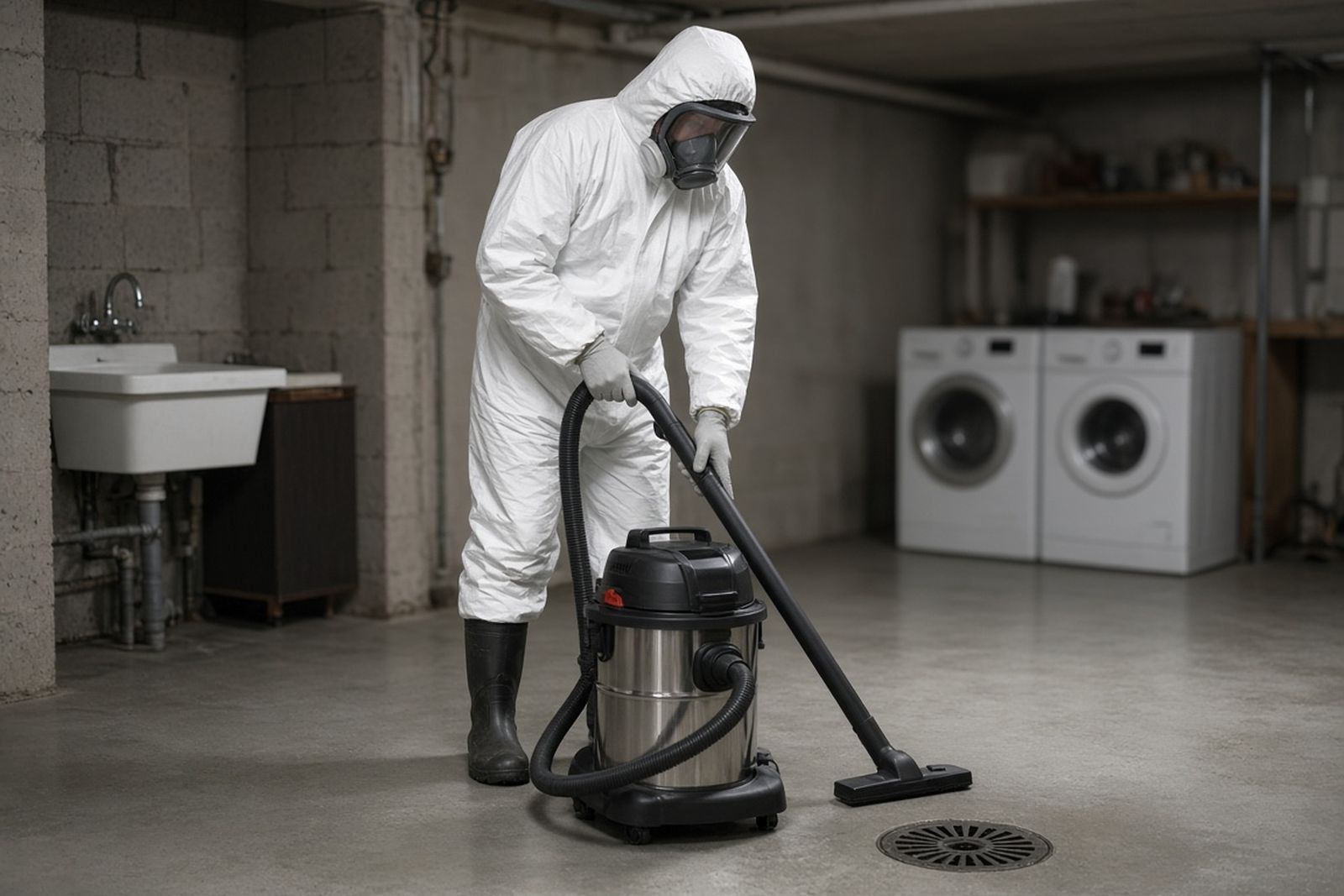
Test what you know before you call a company or start cleanup. Learn to spot hazards, keep a mess in one place, clean in the right order, and deal with waste.
Articles and resources
Read practical articles on rental move-outs, pet urine soaked into floors, accidents in elder care, and sewage claims. They are written for people facing these problems for the first time.
Field guides
Step-by-step guides walk through common home situations. They explain what to expect, what to record, and which choices depend on local rules.