1Recognizing when a mess becomes a hazard
One spot of vomit on a hard floor and a bathroom that overflowed into the hall carpet may look like the same kind of problem. They are not. The dividing lines are amount, material, and time. Small amounts on hard, sealed surfaces can be handled with household methods and care. Some cases cross into a zone where germs in the air, ammonia, and hidden pockets of contamination are real worries. These include anything that soaked into carpet pad, subfloor, or drywall. They also include anything with sewage, and anything that sat long enough to dry and turn dusty. Watch for floors that curl up at the edges and stains that spread past the visible source. Watch for odor that gets stronger on humid days. Those signs mean the mess spread farther than you can see.
2Authority and access: who decides and who may enter
Before cleanup starts, someone must have the right to make choices about the property. In a home the owner lives in, that is simple. In a rental, the lease, state landlord-tenant law, and local rules control notice, entry, and who pays. Those rules vary by state and county. Empty or foreclosed homes may involve a bank, a lawyer, or a court order. Squatter cases may need police before a crew steps inside. Home care accidents may involve an agency's own steps. Work out who owns the choice, who must be told, and who is allowed in the affected rooms. Then put that in writing before any material is removed or thrown out.
3Containment: keeping one room from becoming the whole house
Germs move on shoes and tools and through air currents. Gravity also pulls them into the floor layers and the unit below. Containment means blocking all of those paths. Close the door to the affected room. Tape off the heating and cooling return vents so the system does not pull odor and particles into other rooms. Lay throwaway coverings on walking paths. Keep pets and children on the far side of the barrier. Companies add to this with air filters and plastic walls that keep dust inside the work area. They also set a clear path from dirty to clean areas. If you must go in before help arrives, wear throwaway gloves and shoe covers. Do not carry anything out, and wash well afterward.
4Cleaning is not disinfecting, and order matters
Disinfectants are tested on clean surfaces. Waste, vomit, and urine residue shield germs and use up the active ingredient. So spraying a dirty surface does very little. The right order is to remove the bulk of the mess first. Next, clean with soap or an enzyme cleaner that breaks down the mess. Rinse if the label says to. Only then apply an EPA-registered disinfectant. Leave it wet for the full contact time printed on the label. Sewage and cases with C. difficile may call for sporicidal products. These are a special type made to kill bacterial spores. Never mix bleach with strong urine stains, which hold ammonia, or with other chemicals. The mix can give off toxic gas. A company should be able to name each product and what it is for.
5The waste path: where everything goes
Everything taken out of the room has to go somewhere. The rules for that are not the same as for regular trash. Soaked carpet, pad, drywall, and belongings may count as contaminated debris under state or county rules. Some places require special bagging, labels, or a licensed hauler. Needles found during the work go into hard, puncture-proof containers, never loose bags. Liquid waste is never poured into storm drains or yard soil. Medical waste rules mostly apply to health care settings. But local agencies decide how biohazard debris from homes is handled. So check with the county solid waste office or health department. Ask the company to describe where the waste goes in the plan. Ask them to keep receipts or waste shipping records.
6Documentation and verification protect you later
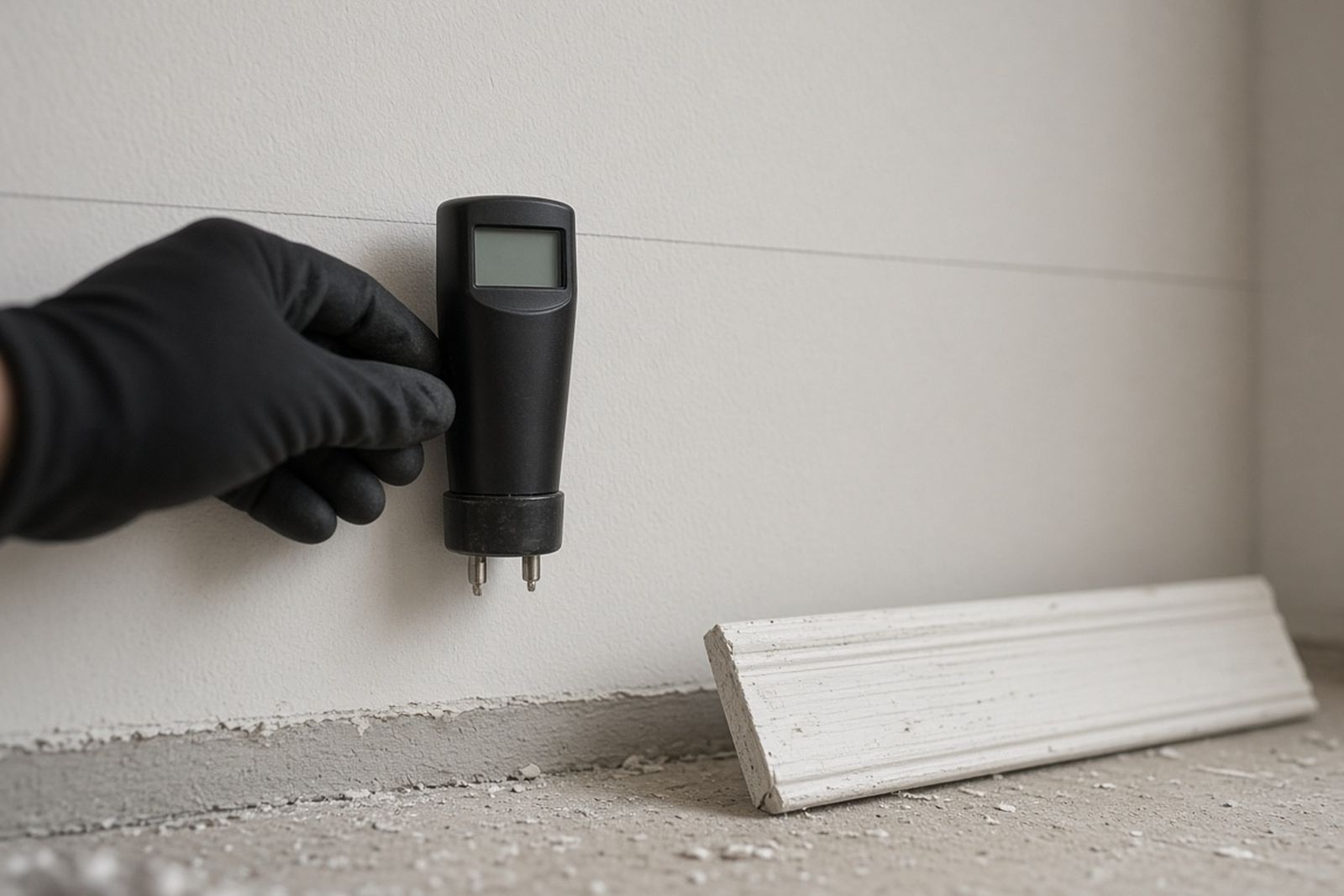
The paper trail matters as much as the cleaning. Before work, take dated photos of every room. Note the cause if known and keep any plumber's report. During work, collect moisture readings and a list of what was removed and what was cleaned. Get product names, EPA registration numbers, and contact times. After work, get final moisture readings that show materials are dry. Get any surface testing the company offers. One example is a quick swab test that shows leftover organic residue on hard surfaces (it does not detect germs). Also get a written statement of what was done. Landlords need this for deposit disputes. Owners need it for insurance and when they sell. Everyone needs it if odor comes back months later. Checking the work means comparing results to the plan, not accepting a spoken all-clear.