Feces & Bodily Fluid Cleanup: Health & Wellness
Privacy, decision-load, trauma-aware communication, and verified support resources for people managing feces & bodily fluid cleanup. Educational remediation content is not mental-health treatment.
Posts in this category deal with the strain a waste or fluid problem puts on a household. A sewage backup can force a family out of their home for days. Repeated incontinence at home can wear down a caregiver who is already stretched thin. Posts discuss how to keep routines steady while you are away from home. They cover how to talk with an aging parent about accidents with dignity. They cover how landlords can handle a hard move-out without resenting a former tenant. They also cover where to find counseling or support when the stress lingers. They touch on embarrassment, too, which keeps many people from asking for help sooner.
Get an email reply about feces & bodily fluid cleanup
Send a short message to the follow-up inbox. A coordinator can reply by email. This form does not send emergency help; call 911 first if anyone is in danger.
Caring for your well-being is part of getting through the cleanup. A calm, well-informed household makes better choices. It talks more clearly with companies and insurers and bounces back faster once the work is done. Children may be upset by strangers in protective suits. So the articles suggest simple explanations that do not scare them. Caregivers may need permission to rest. Landlords may need help keeping frustration apart from the practical steps of a move-out. The articles also point to local agencies, support groups, and counseling services. They urge anyone who feels overwhelmed to reach out to a trusted person or a professional, instead of carrying the strain alone.
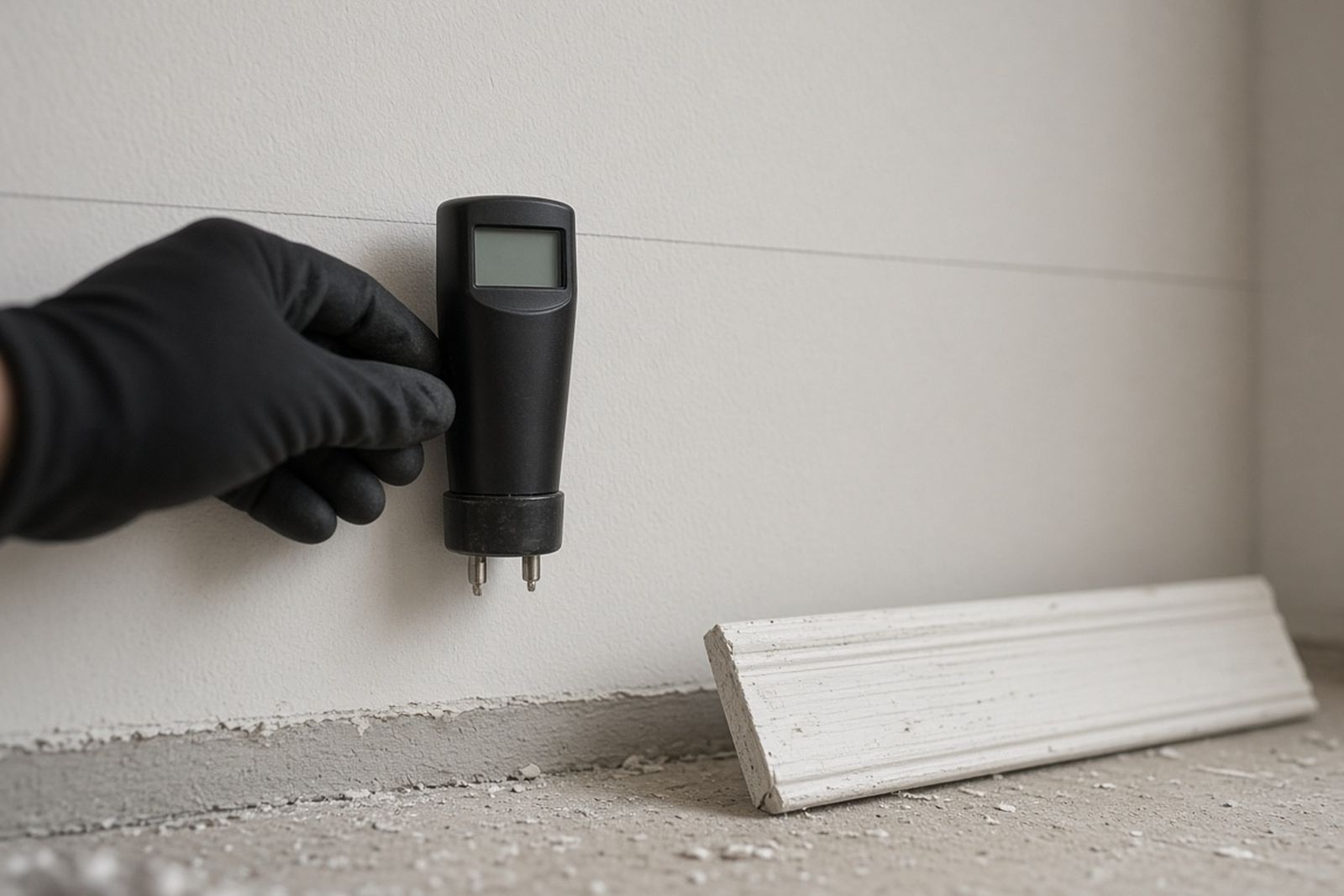
Managing Stress and Disruption During Feces & Bodily Fluid Cleanup
How to cope with the embarrassment, disgust, and household upheaval that come with a sewage backup or waste cleanup, and how to protect family relationships.
Sewage backups and human waste contamination are stressful in ways people rarely talk about: disgust, embarrassment, worry about illness, and disruption to daily routines. You can reduce that stress by moving people out of affected spaces, handing the physical work to a qualified provider, asking for a clear written plan and timeline, protecting the dignity of anyone whose illness caused the mess, and giving yourself permission to feel shaken.
Mental Health Resources During Feces & Bodily Fluid Cleanup
Shame, disgust, caregiver burnout, and flood stress often come with waste and fluid cleanups. Find practical ways to cope and where to reach for support.
Feces and bodily fluid cleanups often carry emotional weight: embarrassment, disgust, caregiver exhaustion, grief over a loved one's decline, or stress after a flood or sewage backup. Those reactions are normal. Practical support includes handing the physical work to others, talking with a doctor or counselor, contacting caregiver and aging services, and calling or texting 988 if you or someone you know is in crisis.
Sourced figures on health & wellness
- 12,800 deaths
CDC estimated 223,900 hospitalized C. difficile cases, 12,800 deaths and $1 billion in attributable healthcare costs in 2017, rating the threat 'urgent'.
Read with care: Counts hospitalized cases only; community-associated cases are not declining.
Source: CDC (2019)United States, 2017 data
- 7 days
Hepatitis B virus remains infectious for at least 7 days on surfaces; in 2023 the US recorded 2,214 reported cases but an estimated 14,400 actual infections.
Read with care: Surface survival does not mean casual contact transmits infection.
Source: CDC (2025)United States
- 300 ppm
The NIOSH IDLH for ammonia, generated by decomposing urine and feces, is 300 ppm, while the OSHA permissible limit is 50 ppm averaged over a shift.
Read with care: Residential ammonia levels are rarely measured; the value is a workplace benchmark.
Source: NIOSH (CDC) (1994)US occupational exposure guidance
These figures are public research and agency data, not this network's own job records. Keep each number with its population, year and limits; none of them predicts cost, timing or outcome at a specific property.
What research has found
Findings from published studies of people and properties in situations like this one. They describe what researchers observed in a specific group; they are not predictions for your case.
Transfer risk varied by product chemistry.
Tested wipes moved C. difficile spores onto previously clean areas.
Health & Wellness: common questions
How do I talk with a parent about repeated accidents at home?
Choose a private, unhurried moment and focus on comfort and safety rather than blame. Frame changes such as washable covers or a professional deep clean as ways to make daily life easier. Involve the care team if incidents are new or increasing, since a medical cause may be treatable.
Is it normal to feel embarrassed about calling for help?
Yes, and cleanup companies handle these situations all the time. Privacy is part of the job, and a good company will speak plainly without judging you. Asking for help early usually limits damage and cost. That is worth far more than avoiding an uncomfortable phone call or an awkward moment.
Where can a stressed caregiver find support?
Local agencies on aging, caregiver support groups, and your own doctor can point you toward respite care and counseling. Respite care gives you a short break while someone else provides care. Many communities offer free support lines for caregivers. Taking a break is not a failure. It helps you keep caring for someone over the long term.
How can I protect my own health as a caregiver doing frequent cleanups?
Use gloves every time, wash your hands afterward, and keep a ready kit so cleanups are quick. Protect your back by kneeling on a pad and lifting carefully. Get enough rest when you can, and ask family, friends, or a home care agency to share the load. Tell your doctor if you notice skin irritation, recurring illness, or signs of burnout.
Is it normal to feel angry at a family member after repeated accidents?
It is a common reaction, especially when you are tired and overwhelmed. Feeling angry does not mean you care less. Try to separate the person from the situation, and find a safe outlet such as talking with a friend or support group. If accidents are frequent, ask the person's doctor about possible causes and resources that could reduce them.
How can I help a loved one maintain dignity during cleanup?
Speak calmly, keep the conversation private, and focus on their comfort first. Offer choices when you can, like which clothes to wear or who helps. Avoid comments about the mess or the smell. Clean up quickly and without fuss. Small gestures of respect help preserve trust and make future accidents less stressful for both of you.
Where can I find practical help with a loved one's incontinence?
Start with their doctor, who can look for treatable causes and recommend products or specialists. Local aging services offices can connect you with respite care, home care aides, and caregiver programs. Pharmacists and medical supply stores can suggest absorbent products and skin care. Caregiver support groups, in person or online, offer tips from people facing the same challenges.
Related community polls
Every count is a real visitor vote; nothing is seeded or padded. One vote per poll per device, and you can change your answer.
When you discovered a sewage backup or waste problem at home, what did you do first?
How did you decide whether soaked carpet could be saved?
More on feces & bodily fluid cleanup
Feces & Bodily Fluid Cleanup services
See how pro cleanup of sewage, waste, and soaked materials really works in homes and rentals. Learn about moisture checks, removing materials, and records.
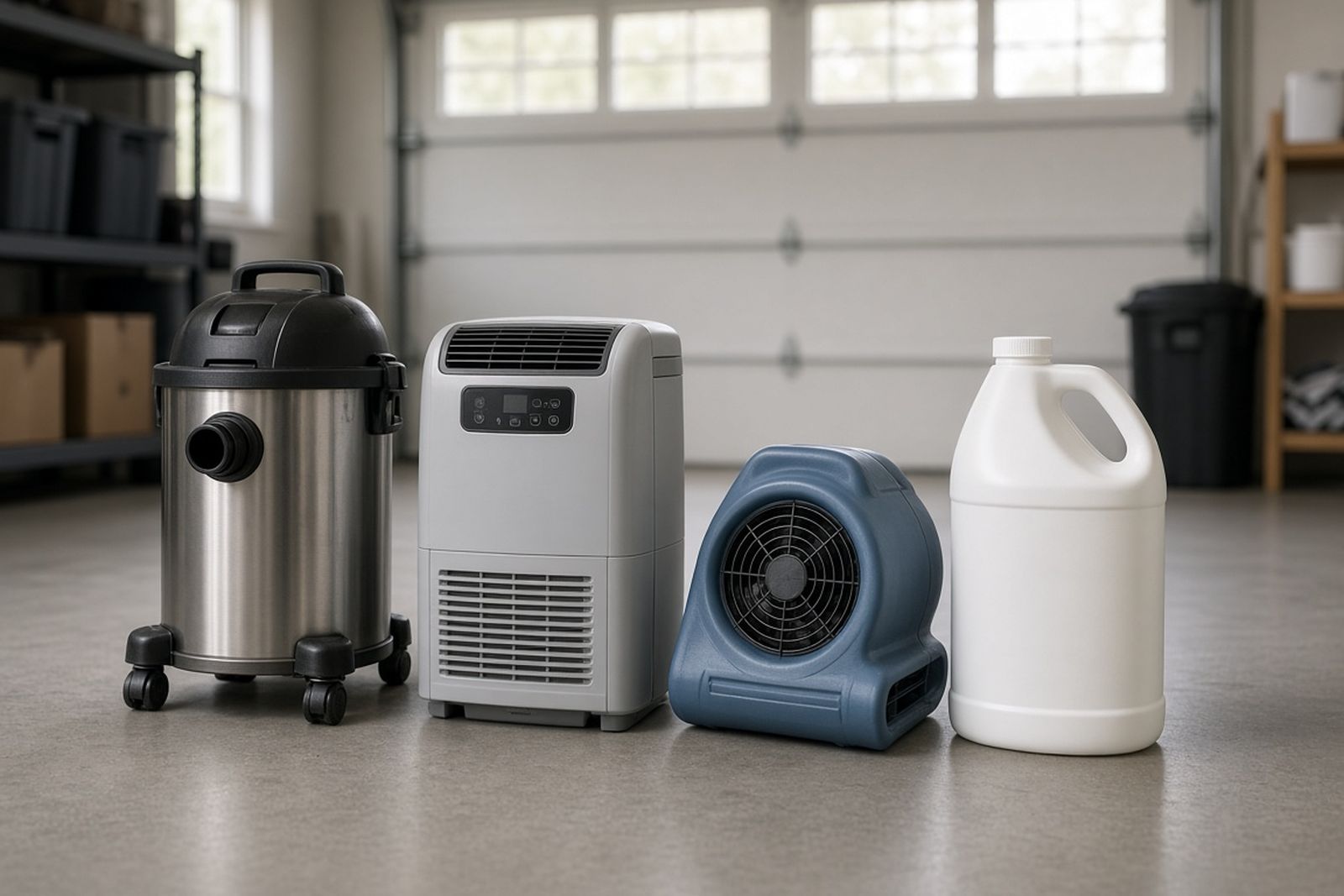
Costs explained
What drives the price, published cost ranges, and how to read a written quote line by line.
Insurance and payment
Which policies may respond, how to document a claim, and what to do if coverage is denied.
Planning tools
Use hands-on tools to see cost drivers, check a company, organize a claim, plan the first day, sort debris, and weigh doing it yourself.
Community polls
See how other homeowners, landlords, and caregivers handled sewage backups and waste messes. Compare their choices with the one in front of you.
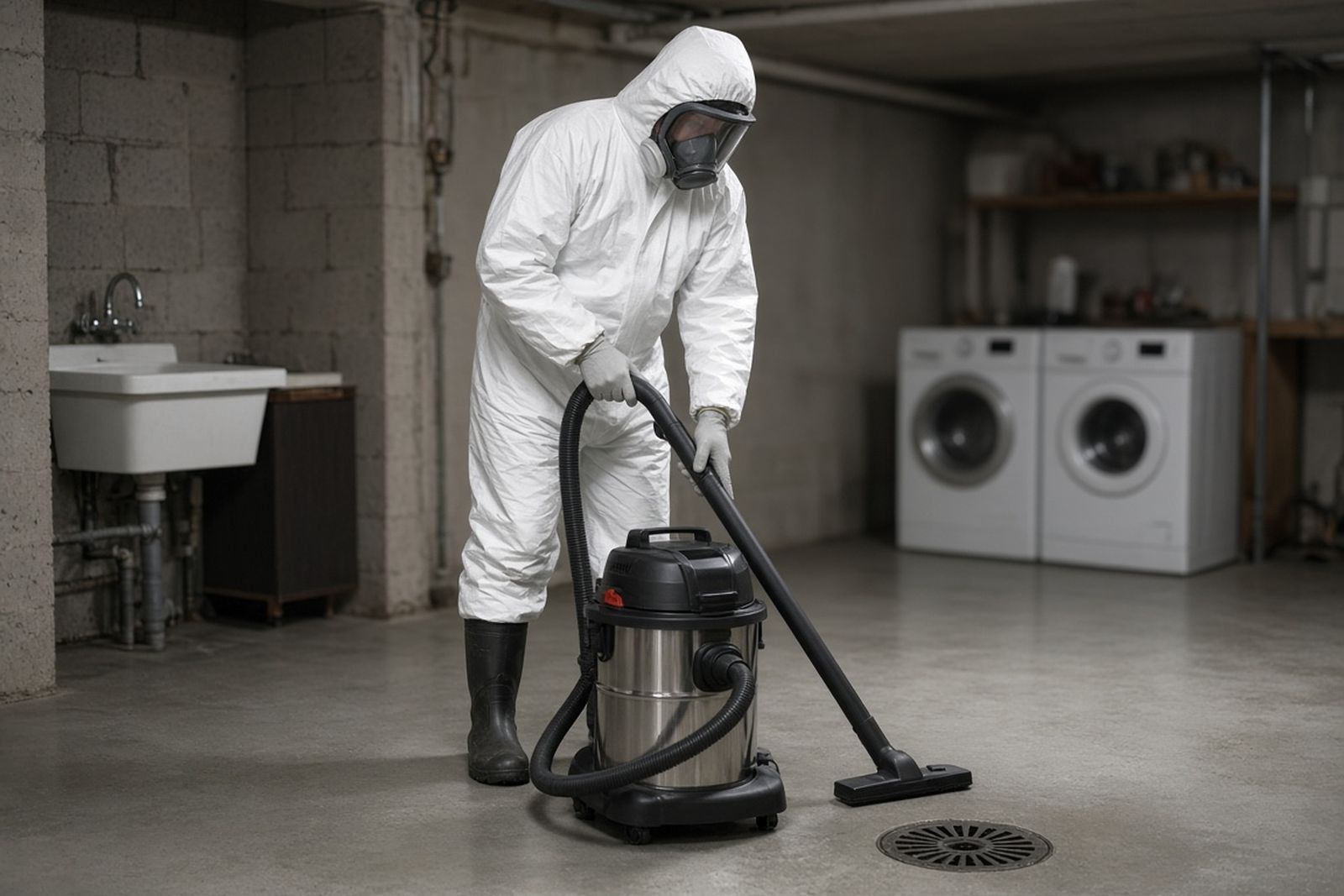
Knowledge quiz
Test what you know before you call a company or start cleanup. Learn to spot hazards, keep a mess in one place, clean in the right order, and deal with waste.
Field guides
Step-by-step guides walk through common home situations. They explain what to expect, what to record, and which choices depend on local rules.