Feces & Bodily Fluid Cleanup: Industry Insights
Operational analysis of feces & bodily fluid cleanup documentation, property-type differences, technology limits, environmental decisions, and provider business models—without invented case histories.
This category looks at how waste and fluid cleanup has changed and where it is heading. The articles trace the shift away from deodorizing and shampooing. Newer methods check for moisture, remove materials based on the water category, and keep records of disinfectant use. Posts for property managers cover move-out steps, talking with tenants, and keeping records that hold up in deposit disputes. Others compare home jobs with business jobs in restaurants, schools, and care centers. They walk through an example of building a solid work plan. They also look at the environmental side of the work, such as using fewer chemicals and keeping usable materials out of landfills.
Get an email reply about feces & bodily fluid cleanup
Send a short message to the follow-up inbox. A coordinator can reply by email. This form does not send emergency help; call 911 first if anyone is in danger.
These views help you see your own job in context. Knowing what current practice looks like makes it easier to spot an outdated approach. One example is a crew that plans to shampoo sewage-soaked carpet. It also helps you set fair expectations for a company. Property managers can use the articles to write move-out steps that keep maintenance staff out of harm's way. Owners of restaurants, gyms, or offices can see how public-facing businesses balance the push to reopen with careful work. The environmental posts explain why a company might suggest cleaning a hard surface instead of replacing it. They also show how smart disposal choices can cut waste without cutting corners on safety.
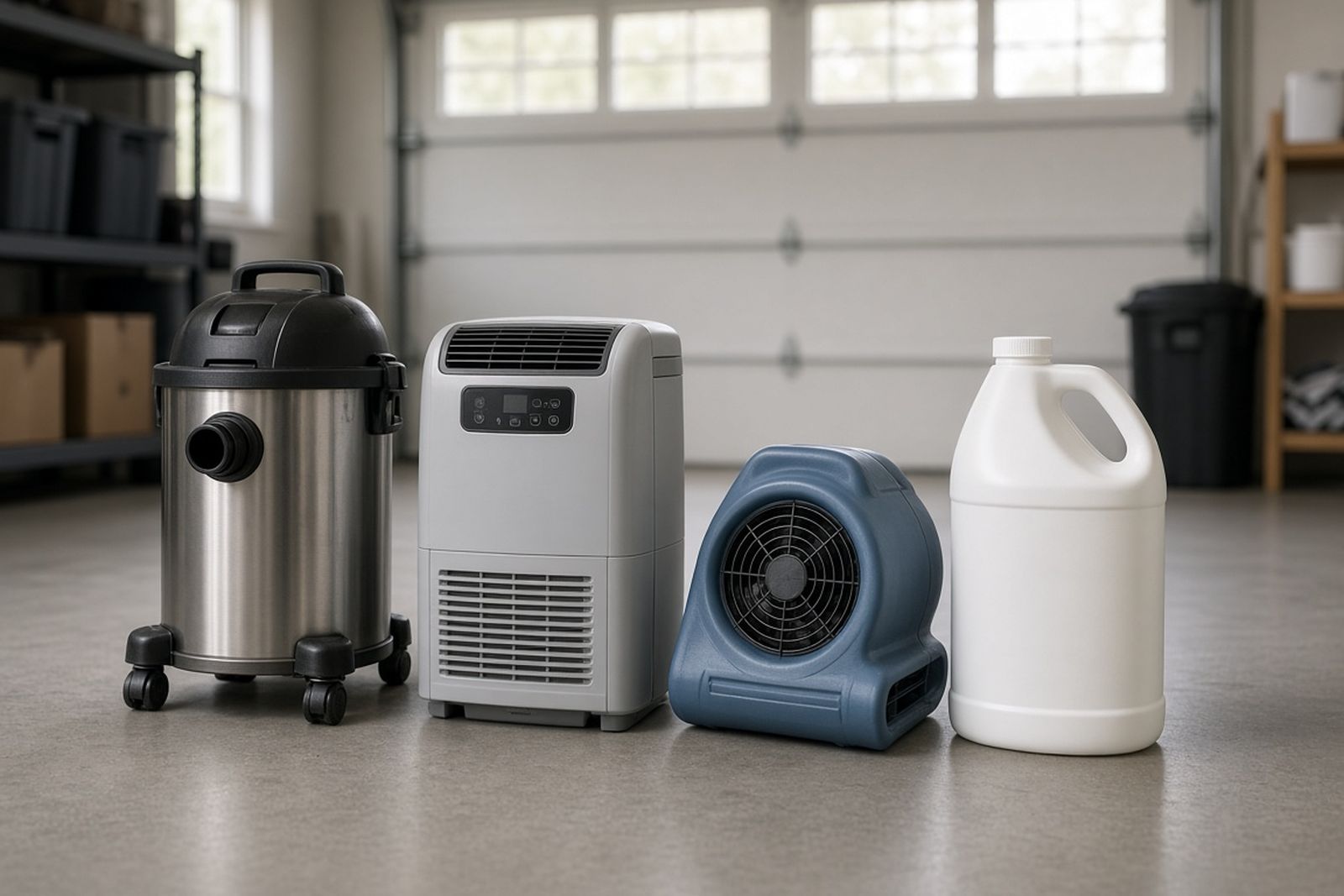
How Feces & Bodily Fluid Cleanup Practice Has Changed
How sewage and human waste cleanup moved from mop-and-bleach habits to moisture mapping, targeted disinfectants, worker protection, and documented results.
Sewage and bodily fluid cleanup has shifted from surface scrubbing and heavy bleach toward a structured process: treating contaminated water as its own category, mapping moisture behind walls and under floors, removing porous materials, choosing disinfectants with specific organism claims, protecting workers from pathogens and gases, and documenting results for owners, insurers, and inspectors. The core goal is unchanged; the methods are far more deliberate.
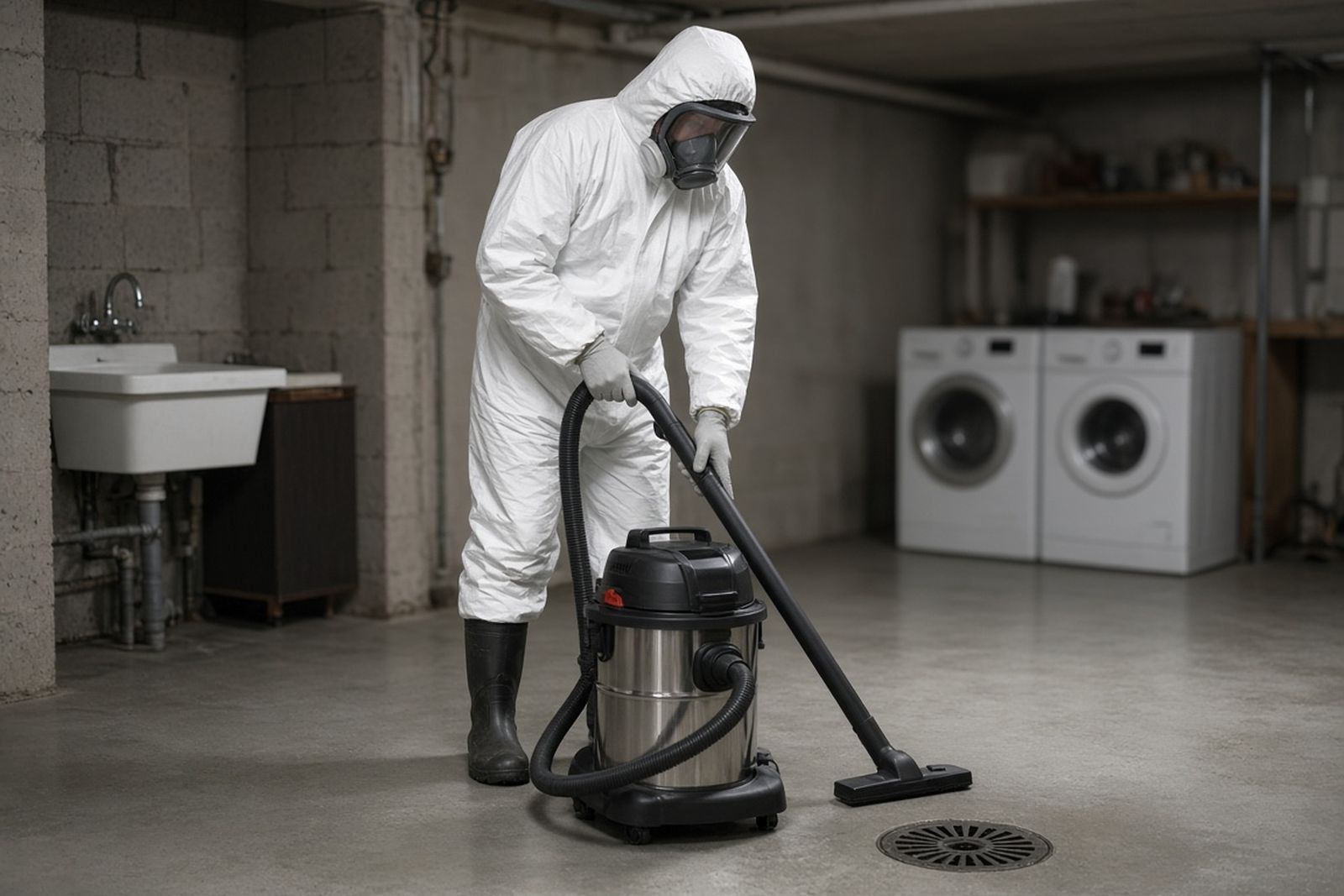
Feces & Bodily Fluid Cleanup for Property Managers: What You Need to Know
A sewage backup or waste-soaked unit tests every part of a property manager's job. Here is how to set authority, tenant notice, scope, and a restart point.
When sewage, feces, or other body fluids contaminate a unit or common area, you need to decide quickly who authorizes work, which spaces are closed, how tenants are told, and what written condition allows re-occupancy. Hire a provider who puts water category, removal decisions, containment, and verification in writing, document everything for the owner and insurer, and confirm local habitability rules before promising timelines.
Feces & Bodily Fluid Cleanup Planning Example: Building a Defensible Scope
Follow a hypothetical basement sewage backup from first call to closeout and see how each line of a feces and fluid cleanup scope can be explained and checked.
A defensible scope for feces or bodily fluid cleanup explains why each step is included, what evidence supports it, and how completion will be verified. It names the contamination source and water category, maps the affected area, lists which materials are removed versus cleaned, specifies disinfectant and contact time, describes waste handling, and sets a written re-occupancy condition. This illustrative example walks through that reasoning step by step.
Commercial vs Residential Feces & Bodily Fluid Cleanup
A sewage backup in a restaurant and a toilet overflow in a family home call for different plans. Compare access, staff duties, downtime, and documentation.
Commercial and residential feces or bodily fluid cleanup use the same core steps: contain, remove unsalvageable porous materials, clean, disinfect, dry, and verify. The differences lie in who is responsible, which workplace and health rules apply, how many people are exposed, how downtime is managed, and what records are expected. Businesses usually face more regulatory oversight and scheduling pressure, while homes raise more personal and belongings decisions.
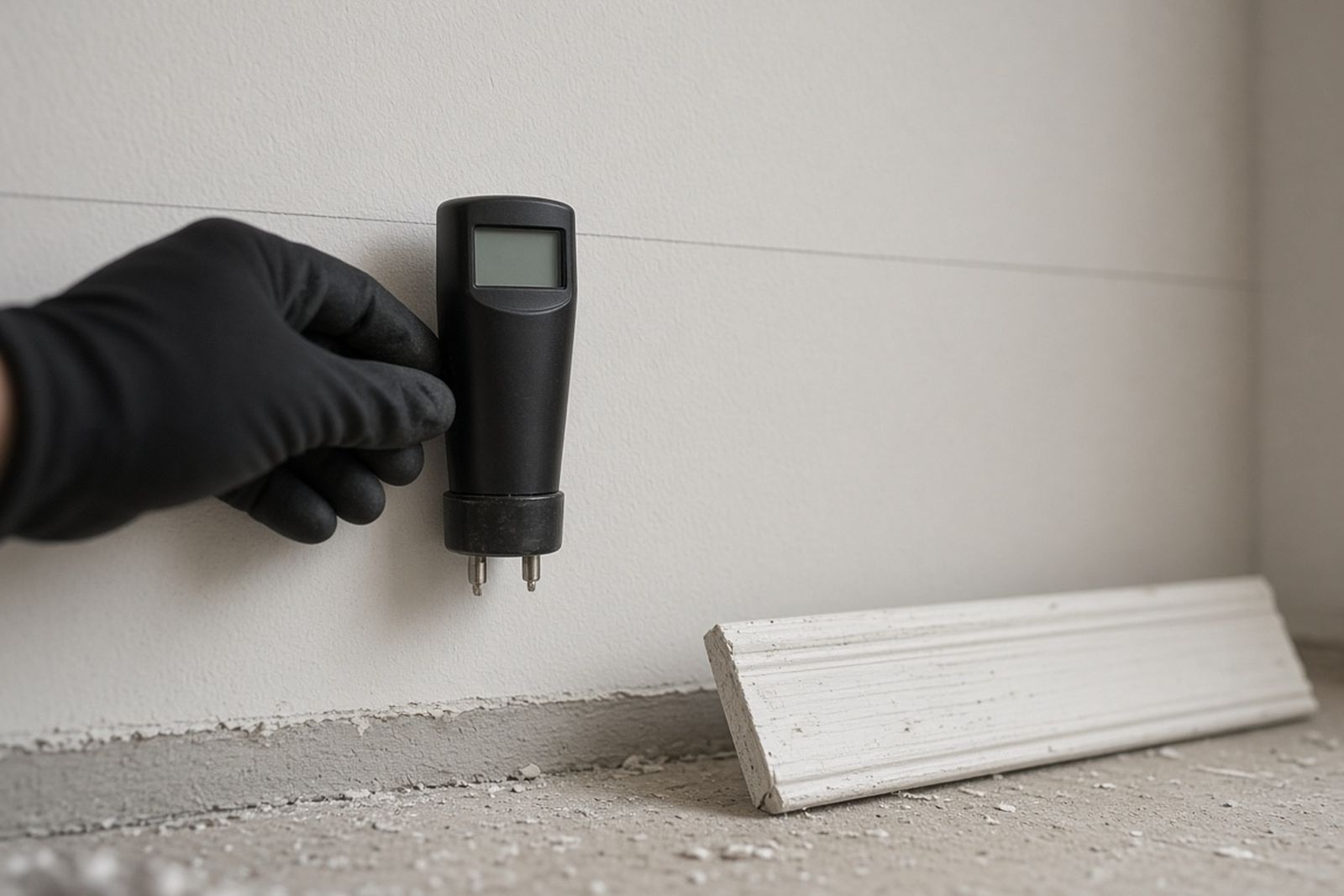
Environmental Responsibility in Feces & Bodily Fluid Cleanup
Sewage and waste cleanup can send wastewater, chemicals, and debris where they do not belong. Learn how careful providers limit runoff, waste, and overuse.
Environmentally responsible feces and bodily fluid cleanup keeps contaminated water out of storm drains, uses the least amount of disinfectant that still meets the label, avoids unnecessary fogging, salvages hard materials that can be cleaned, and routes debris and wastewater to the destinations local rules allow. It protects neighbors, waterways, and the people living in the home, without cutting corners on the health risks that make removal necessary.
Sourced figures on industry insights
- 1 trillion germs per gram
A single gram of human feces can contain one trillion germs, and handwashing education reduces diarrheal illness by 23–40%.
Read with care: Germ counts include harmless bacteria; not all are pathogens.
Source: CDC (2024)General public health guidance
- up to 7 days
A systematic review found norovirus persists on dry inanimate surfaces for 8 hours to 7 days, and rotavirus for 6 to 60 days.
Read with care: Persistence varies with humidity, temperature and surface material.
Source: BMC Infectious Diseases (Kramer, Schwebke & Kampf) (2006)Laboratory persistence studies compiled from the literature
- ~500,000 infections
C. difficile causes almost half a million infections in the US each year, and its spores can survive for months or years on surfaces and in soil.
Read with care: Most infections follow antibiotic use; environmental exposure is one contributing route.
Source: CDC (2024)United States, annual estimate
These figures are public research and agency data, not this network's own job records. Keep each number with its population, year and limits; none of them predicts cost, timing or outcome at a specific property.
What research has found
Findings from published studies of people and properties in situations like this one. They describe what researchers observed in a specific group; they are not predictions for your case.
Floors were disinfected less consistently than high-touch surfaces.
Conferences and study days were a major source of biofilm knowledge.
Industry Insights: common questions
How has sewage cleanup practice changed over time?
Older methods often relied on shampooing and strong deodorizers. Today's practice focuses on finding the water category and measuring moisture past visible stains. It means removing soft materials that cannot be saved. It also means keeping records of products and disposal. Those changes came from cleanup standards, disinfectant label rules, and insurers' demands for records.
What should property managers build into their move-out steps?
Include steps for photographing units at move-out. Keep maintenance staff from handling waste without the right gear. Call a qualified company when needed. Store work plans and disposal records in the unit file. Clear written steps protect staff and speed up move-outs. They also back up any deposit deduction if a former tenant later disputes the charges.
How is business waste cleanup different from home cleanup?
Business jobs often involve worker safety programs, public health inspections, and pressure to reopen fast, as in restaurants or schools. Home jobs center on household health, being forced out of the home, and insurance. Both need the same basic order of removal, cleaning, disinfecting, and checking the results. Both should be recorded in a written plan.
Why are more providers offering documentation packages?
Owners, insurers, landlords, and buyers more and more want proof of what was done. Photos, moisture logs, product records, and disposal notes help settle claims, disputes, and questions during a sale. Companies that offer clear records stand out, and many customers now ask for them by name. Ask what your company's final paperwork packet includes before you hire it.
How is the industry responding to concerns about chemical use?
Many companies now choose targeted disinfectants over heavy use of harsh chemicals. They pay more attention to label directions, contact times, and airflow. Some offer milder products when they fit the job. Customers can help by asking which products will be used, why, and how the company limits needless chemical exposure.
Why do some cleanup companies focus on waste and fluids while others do general restoration?
Waste and fluid work carries specific hazards, emotional sensitivities, and documentation needs. Some companies focus on it to build expertise and handle discreet or complex cases. General restoration firms may do it alongside fire and water damage. Either can do good work, but ask how much of the company's work involves situations like yours.
How has caregiving at home changed the demand for waste cleanup services?
More people are caring for aging parents or relatives with health problems at home. That means more families face repeat accidents or long-term messes. Some companies now offer private, repeat services or advice on prevention. Families benefit from knowing when routine cleaning is enough and when pro help makes sense.
Related community polls
Every count is a real visitor vote; nothing is seeded or padded. One vote per poll per device, and you can change your answer.
When you discovered a sewage backup or waste problem at home, what did you do first?
How did you decide whether soaked carpet could be saved?
More on feces & bodily fluid cleanup
Feces & Bodily Fluid Cleanup services
See how pro cleanup of sewage, waste, and soaked materials really works in homes and rentals. Learn about moisture checks, removing materials, and records.
Costs explained
What drives the price, published cost ranges, and how to read a written quote line by line.
Insurance and payment
Which policies may respond, how to document a claim, and what to do if coverage is denied.
Planning tools
Use hands-on tools to see cost drivers, check a company, organize a claim, plan the first day, sort debris, and weigh doing it yourself.
Community polls
See how other homeowners, landlords, and caregivers handled sewage backups and waste messes. Compare their choices with the one in front of you.
Knowledge quiz
Test what you know before you call a company or start cleanup. Learn to spot hazards, keep a mess in one place, clean in the right order, and deal with waste.
Field guides
Step-by-step guides walk through common home situations. They explain what to expect, what to record, and which choices depend on local rules.