Short answer
Local and national feces and bodily fluid cleanup providers can both do excellent work. Local independents often offer direct owner access and knowledge of area plumbing, disposal sites, and rules. National networks may bring standardized processes, larger equipment fleets, and insurer program relationships. Judge any provider on the same things: a written scope with reasons, clear disinfectant and contact time details, waste handling, documentation, and who actually does the work.
What local and national actually mean
A local provider is usually an independent company owned and operated in your region. It may be a small crew or a mid-sized firm, and the owner is often involved in estimates and difficult jobs.
National providers come in a few forms. Some are franchise networks, where a local franchise owner operates under a national brand, training program, and set of procedures. Others are corporate-owned companies with branches in many cities. Some national call centers also dispatch jobs to independent subcontractors who work under the national name.
Those models can look the same from the outside. Before you compare quality, find out which one you are dealing with, because it affects who you will talk to, who does the work, and who answers if something goes wrong.
Potential strengths of a local independent
Local companies often know the neighborhood. They may be familiar with older homes that share sewer laterals, areas that flood during heavy rain, and the quirks of local building stock, like crawlspaces with poor access or basements with original clay pipes. That knowledge can speed up an assessment.
They also tend to know local disposal options and requirements. Where sewage-contaminated drywall can be dumped, whether a transfer station accepts certain debris, and how the local utility wants extracted water handled are practical details that vary by area.
With a smaller company, you are more likely to speak directly with the person who makes decisions. If you have questions about why a wall was cut to a certain height, you can often get an answer from the owner rather than a call center.
Local firms may also be more flexible about unusual situations, such as a hoarded home with years of accumulated waste, a caregiving setting with a vulnerable resident who cannot easily leave, or a property where the owner wants to salvage an heirloom item. Without a national procedure manual to follow, an experienced owner can tailor the approach, though that flexibility is only valuable if they still document their reasoning.
Potential strengths of a national network
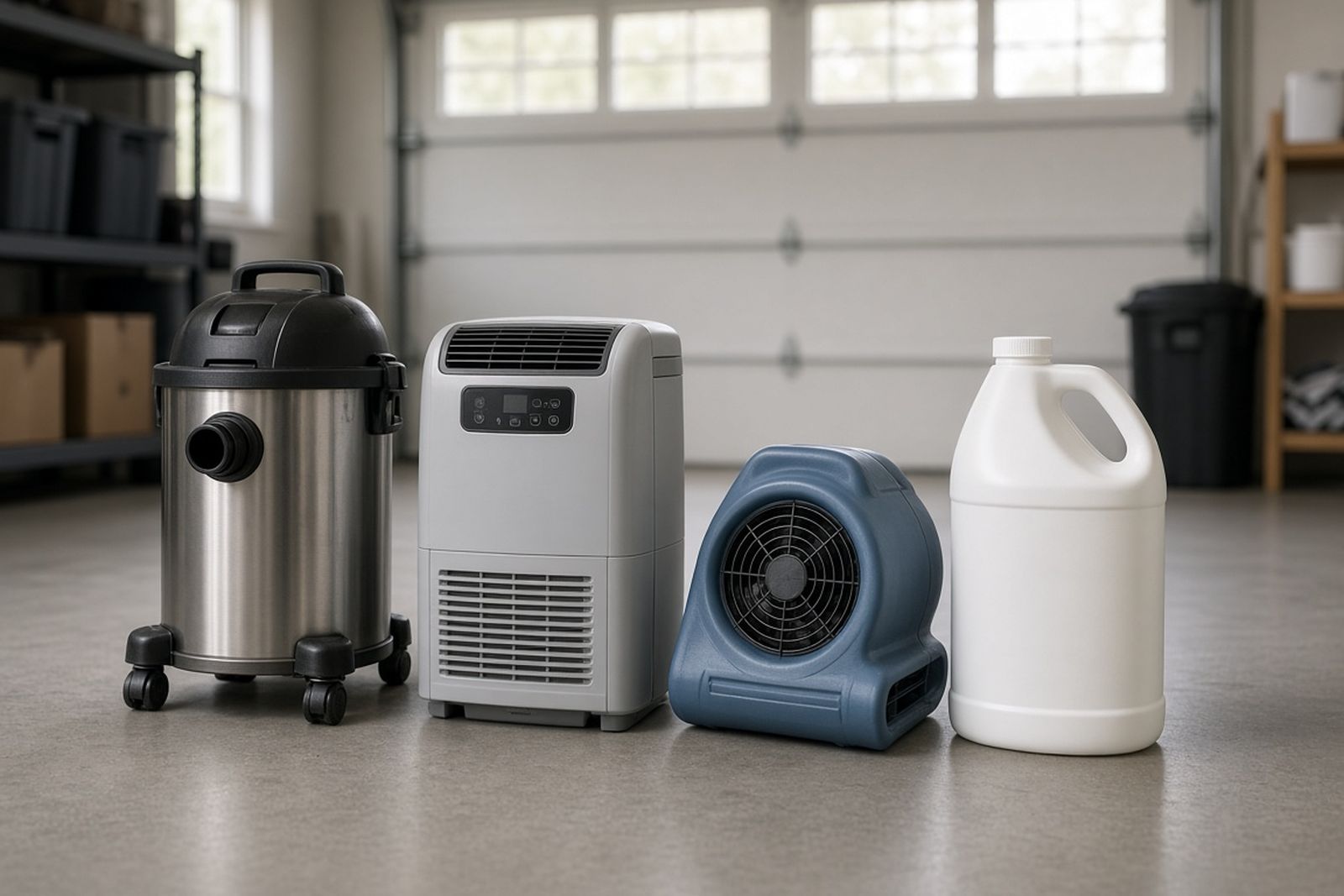
National brands often have standardized training and written procedures, which can bring consistency from job to job. They may have larger equipment inventories, such as extra dehumidifiers and air scrubbers, which helps when many homes in an area are affected by the same storm.
Some national networks participate in insurer programs that route claims to approved vendors. That can simplify paperwork, since the provider already knows the insurer's documentation expectations. Water damage is one of the most frequent homeowner claims: the Insurance Information Institute reported in 2025 that about 1 in 60 insured homes files a water damage or freezing claim each year, with an average payout of $15,400. Insurers have built vendor programs around that volume.
During regional disasters, national firms can move crews from other areas. That surge capacity can matter when local companies are overwhelmed.
A national brand may also offer a single point of contact for property owners with buildings in several cities. A company managing rentals across a region may prefer one vendor relationship, one invoice format, and one set of reporting standards, even if the crews on the ground change from site to site.
Weaknesses to watch for with either type
Neither model guarantees quality. The specific people who arrive at your door, and the way their company runs, matter far more than the logo on the truck.
A small local company might be stretched thin, lack backup equipment, or rely on one experienced person who is not available for your job. A national brand might send a subcontractor you have never heard of, route your questions through a call center, or apply a standard scope that does not fit your home.
Watch for lead-generation services that look like national companies but do not perform any work. Some websites and phone numbers collect your information and sell it to whichever local contractor pays, which means you may not know who is coming until they arrive. Ask the person on the phone for the legal name of the company that will do the job and check it independently.
- Ask who will actually perform the work: employees, franchise staff, or subcontractors.
- Ask who your single point of contact will be, and how to reach them after hours.
- Ask whether the estimate was written by someone who saw your home in person.
- Ask how disputes or warranty issues are handled, and by whom.
Does an insurer-preferred vendor mean you have to use them?
Insurers sometimes recommend a provider from their program. That can be convenient, but in many cases you are allowed to choose your own contractor. Policies and state rules differ, so ask your insurer directly whether you must use a particular vendor and whether choosing another affects your coverage.
Whoever you choose, remember that the provider works on your home. Their scope should reflect what your property needs, not just what an insurer's pricing system expects. If you feel a scope is being trimmed to fit a claim rather than your home's conditions, ask the provider to explain their reasoning in writing, and share that with your adjuster.
If you have questions about your right to choose a contractor, your state insurance department can explain the rules that apply to your policy.
What two estimates side by side can reveal
A common situation after a backup is an insurer suggesting a national franchise from its vendor program while a neighbor recommends a local company. Getting estimates from both is a reasonable way to compare, and the differences often show up in how each estimate is built rather than in the brand.
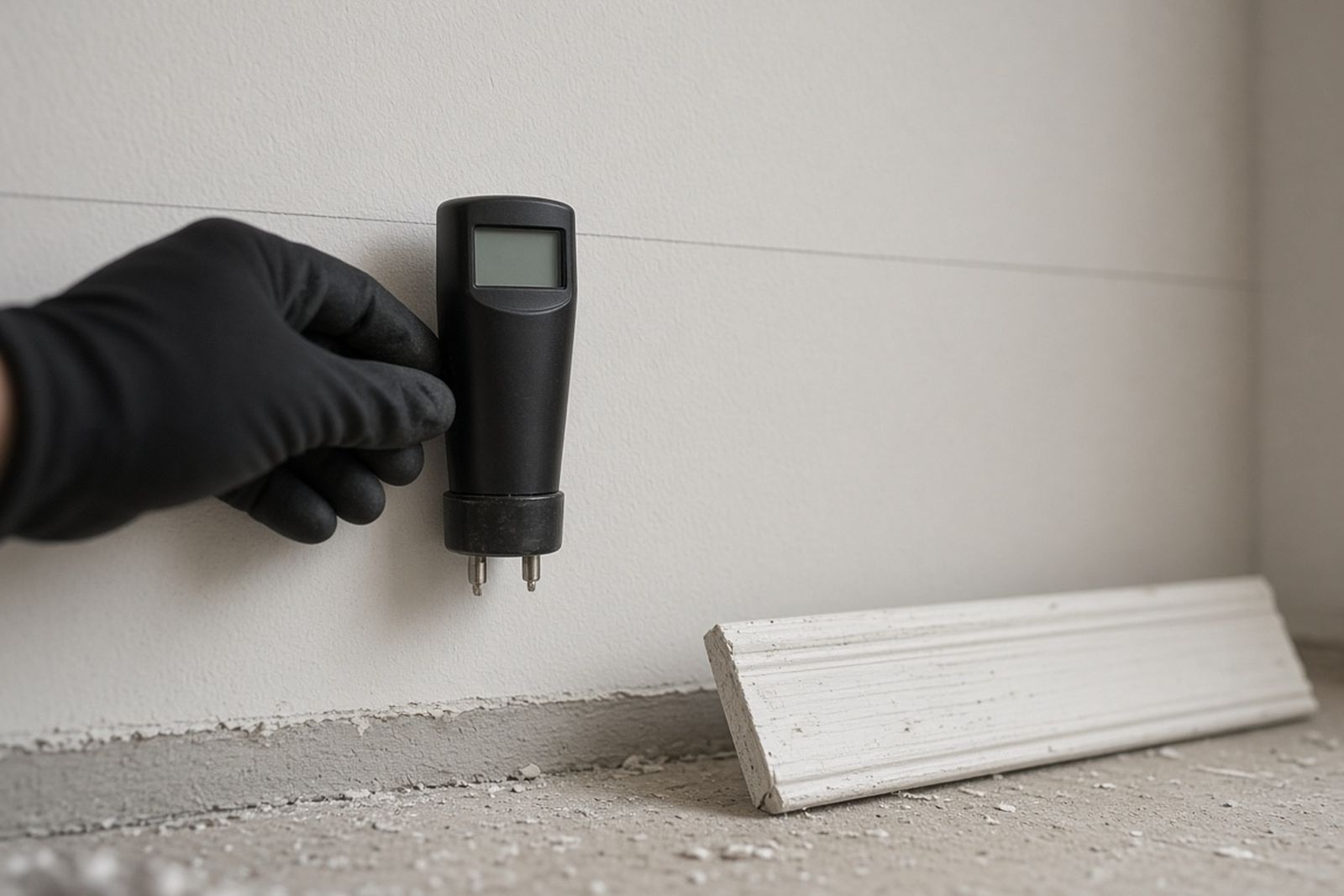
One estimator may arrive quickly, use a tablet-based estimating system, and produce a detailed line-item scope with photos that removes carpet, pad, and drywall to a single set height across the whole space. Another may take moisture readings along every wall and propose cutting drywall higher in one room and lower in others, based on where water actually traveled. A provider who knows the area may also flag a sewer lateral shared with a neighbor and suggest a plumber check it.
Neither approach is automatically right. If a scope uses one cut height everywhere, ask whether the estimator will adjust after moisture testing. Ask both providers which disinfectant they would use and how long it would stay wet on the exposed framing and slab. A product name and a contact time from each is a good sign that either would handle the health side of the job properly.
When both bids are reasonable and both companies are properly insured, choose the provider whose explanation of your specific home makes the most sense. The logo is rarely the deciding factor; clarity is.
Checking credentials and track record
Whatever the size of the company, verify the basics. Ask for proof of general liability and workers' compensation insurance, and confirm any required state or local licenses for the work involved. Training certificates in water damage restoration or biohazard handling are worth asking about, though they are not a substitute for experience.
Look at reviews, but read them for detail rather than star counts. Reviews that describe communication, cleanup quality, and how problems were handled tell you more than a string of five-star ratings with no content. For franchises, check reviews for the specific local location, since quality can vary from one franchise owner to another.
Ask for a sample scope and closeout report from a similar job, with private details removed. How clearly it explains removal decisions, disinfectant choice, and verification is a good predictor of how your job will be documented.
Contract essentials regardless of company size
The contract and scope are your protection. A good one looks similar whether it comes from a two-person crew or a national brand.
- Description of the source and the category of water or contamination
- Map or list of affected areas and the containment plan
- Materials to be removed, with reasons
- Cleaning method and the named disinfectant with its label contact time
- Drying plan and how dryness will be confirmed
- Waste handling and disposal destination
- Change-order process and who approves it
- Payment terms, including how insurance payments are handled
- Closeout documentation you will receive
How do you make the final decision?
Start with the provider who can show up in a reasonable time and whose explanation of your specific situation makes sense. Then compare scopes line by line. If one bid is much lower, look for what is missing, such as containment, disinfection details, or drying verification.
Trust how the conversation feels. A provider who listens, answers questions directly, and puts reasons in writing is likely to handle problems well if they come up. That is true whether their company has one location or five hundred.
Response time matters too, but do not let urgency push you into signing a vague contract. Many providers can begin water extraction and containment under a limited emergency authorization while the full scope is prepared. That protects the home right away without committing you to a large, unexplained tear-out.
Finally, keep everything: estimates from every company you contacted, the signed contract, photos, and the closeout packet. If questions arise later with your insurer, a future buyer, or a repeat backup, you will have a complete record.