Feces & Bodily Fluid Cleanup: Choosing a Company
Evidence to request from feces & bodily fluid cleanup providers: business identity, applicable training, insurance, scope assumptions, waste routing, verification, availability, and responsibility for subcontractors.
These articles help you tell a real cleanup company from a carpet cleaner or handyman with a biohazard page on its website. They suggest questions to ask. How does the company pick a water category? How does it check for moisture past the visible stains? How does it decide what to remove, and how does it record disposal? Red-flag posts cover pressure to sign before an inspection. They cover vague phrases, like full sanitizing with no product names, and promises that odor will never come back. Other articles explain how to check crew training and safety paperwork. They also compare a local cleanup firm with a franchise location.
Get an email reply about feces & bodily fluid cleanup
Send a short message to the follow-up inbox. A coordinator can reply by email. This form does not send emergency help; call 911 first if anyone is in danger.
Choosing well matters more here than in many trades, because mistakes get hidden under new flooring. A company that skips the subfloor may leave a pocket of mess behind. It can come back as odor months later, after the bill is paid and the carpet installer is gone. A good choice also affects privacy. That matters when the situation involves an aging relative, a tenant dispute, or a neighbor who can see the trucks. The articles show how to compare written plans and check references for similar jobs. They show how to confirm that a named plumber or rebuild contractor is lined up. They explain how to read the fine print on warranties that promise odor-free results. They also explain what to do if a company turns down the job.
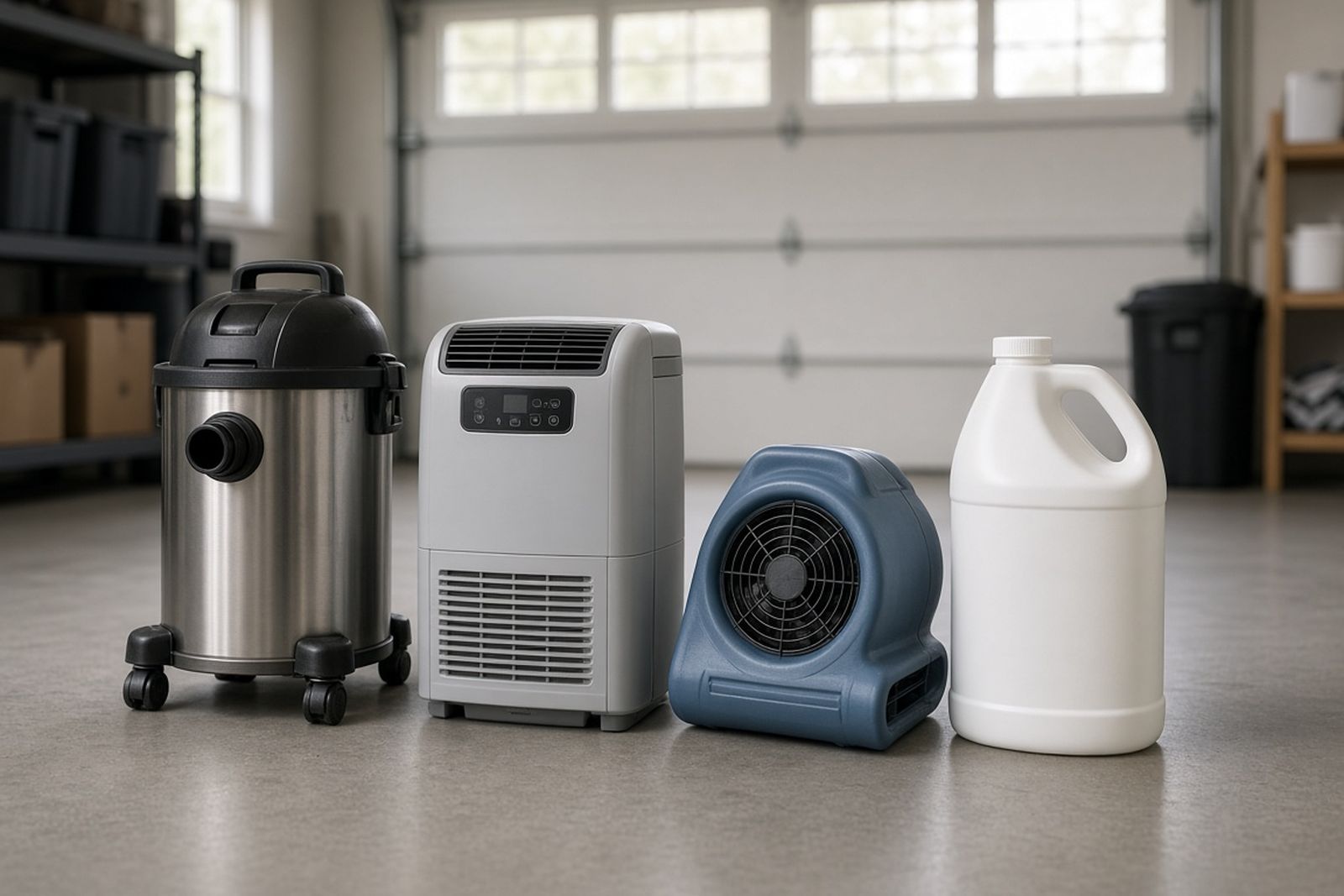
10 Questions to Ask Before Hiring a Feces & Bodily Fluid Cleanup Company
Ten questions that separate a qualified sewage and bodily fluid remediation company from a carpet cleaner with a new sign, plus the answers you should hear.
Before you hire anyone to clean sewage, urine, or human waste, ask how they will find contamination you cannot see, which materials they expect to remove, what disinfectant and contact time they will use, how workers are protected and trained, how waste is disposed of, what documentation you will receive, and how changes to the scope are approved. Clear, specific answers matter more than a low price.
Red Flags When Hiring Feces & Bodily Fluid Cleanup Services
Warning signs to watch for when hiring someone to clean sewage, urine, or human waste, from vague disinfectant claims to missing disposal plans and scope gaps.
The biggest red flags when hiring a sewage or bodily fluid cleanup company are a firm price before anyone inspects, no plan to test hidden layers like subfloor and drywall, unnamed disinfectants, refusal to put the scope in writing, pressure to sign immediately, promises about insurance payment, and no clear answer about where contaminated materials will go. Any one of these deserves a follow-up question.
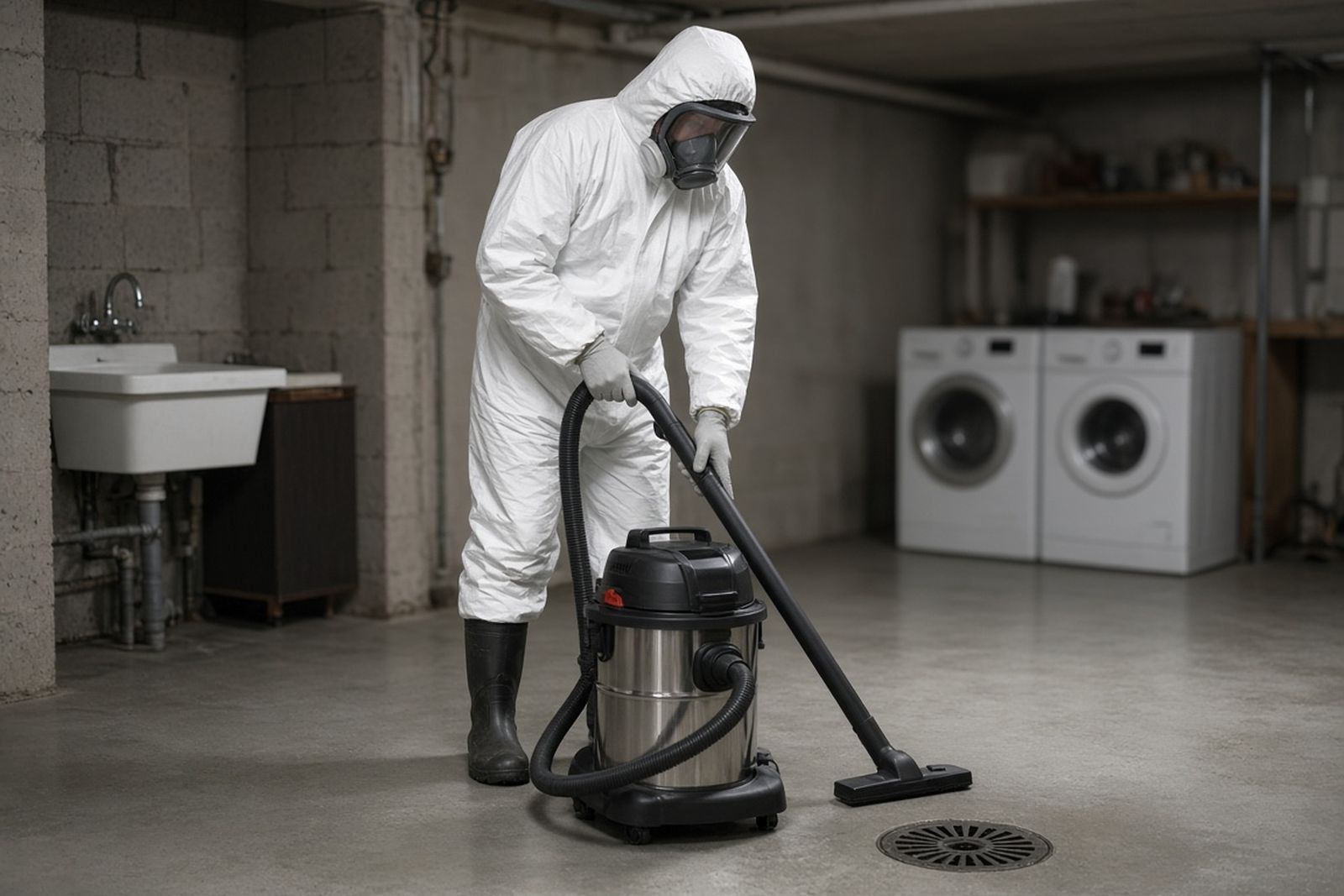
Training, Documentation, and Credentials for Feces & Bodily Fluid Cleanup
What training, records, and credentials to ask a sewage and human waste cleanup company for, and how to tell real preparation from a certificate on a website.
For sewage and bodily fluid cleanup, the credentials that matter most are documented bloodborne pathogen and respiratory training, a written exposure control plan, hepatitis B vaccination offered to workers, familiarity with recognized water-damage and contamination standards, proper insurance, and any license your state or county requires. Just as important is the paperwork the company gives you after the job, which proves what was actually done.
How to Compare Local and National Feces & Bodily Fluid Cleanup Providers
Independent local crews and national franchise networks both handle sewage and waste cleanup. Compare response, scope clarity, insurer ties, and accountability.
Local and national feces and bodily fluid cleanup providers can both do excellent work. Local independents often offer direct owner access and knowledge of area plumbing, disposal sites, and rules. National networks may bring standardized processes, larger equipment fleets, and insurer program relationships. Judge any provider on the same things: a written scope with reasons, clear disinfectant and contact time details, waste handling, documentation, and who actually does the work.
Sourced figures on choosing a company
- 94%
94% considered verbal instructions effective.
Read with care: Self-selected follow-up; no untreated comparison; perceived instruction quality is not proof of protection.
Source: Li et al. (2020)83 analysed follow-up participants from a Houston PPE-and-training outreach programme after Harvey.
- 69%
69% of those company-employed workers reported a mask-fit test.
Read with care: 31% response; self-report; mask terminology broad; Katrina comparison involved different samples.
Source: Foreman et al. (2024)238 residents and 68 mold-remediation workers near New Orleans; mostly recruited outside home-improvement stores.
- 18%
18% reported at least one mental-health problem after the flood.
Read with care: Self-reported four-month outcomes; event-specific associations.
Source: Collins et al. (2013)475 respondents whose homes were damaged in the 2006 El Paso flood.
These figures are public research and agency data, not this network's own job records. Keep each number with its population, year and limits; none of them predicts cost, timing or outcome at a specific property.
What research has found
Findings from published studies of people and properties in situations like this one. They describe what researchers observed in a specific group; they are not predictions for your case.
Changing application type was associated with being awakened by coughing episodes.
Conferences and study days were a major source of biofilm knowledge.
Choosing a Company: common questions
Can a carpet cleaning company handle sewage cleanup?
Some can, if they also do water damage cleanup and have the equipment, training, and methods for dirty water. Many cannot. Ask whether the company removes dirty padding and drywall. Ask how it disinfects and how it gets rid of debris. Shampooing alone is not right for sewage.
Which warning signs show up in weak waste cleanup quotes?
Watch for a quote that lists only cleaning and deodorizing, with no inspection findings, moisture readings, or product names. Other warning signs include refusing to put the plan in writing or promising an insurance payout. Another is insisting that nothing needs to be removed before anyone has looked under the floor covering.
Should I choose a local company or a national brand?
Either can work well. A local company may know the area's disposal sites and building officials. A national brand may offer standard steps and paperwork. Judge each one on its written plan and its answers about your specific case. Also judge the references it can give for similar jobs.
Should the company that does the cleanup also do the rebuild?
It can be handy, since one company knows the damage and can move straight into repairs. But you are free to hire a different contractor for the rebuild. Compare the rebuild bid on its own, apart from the cleanup bid. If one company does both, make sure the plan clearly separates cleanup from rebuilding. Then each phase can be reviewed on its own.
How can I check a company's reputation beyond online reviews?
Ask for references from similar jobs. Check with your state or local licensing office where that applies. Search for complaints with consumer protection agencies. Ask your insurance agent, plumber, or property manager whether they have worked with the company. Look for patterns that repeat, not one great or one terrible story.
What should I expect from a company's first phone call?
Expect questions about what happened, where, how long ago, what materials are affected, and who lives in the home. A good company will explain next steps, when it can visit, and what to do in the meantime. Be cautious if it quotes a firm price without seeing the space or pressures you to commit immediately.
Is it okay to pick a company mostly because it can come right away?
In a true emergency, being able to come fast matters, especially to stop the spread. But make sure the company can explain its plan, name its disinfectant, and describe how it handles waste before work starts. You can hire one company for urgent steps, like pulling out water and sealing off the area. Then take more time to choose who handles the full removal and cleanup.
Related community polls
Every count is a real visitor vote; nothing is seeded or padded. One vote per poll per device, and you can change your answer.
When you discovered a sewage backup or waste problem at home, what did you do first?
How did you decide whether soaked carpet could be saved?
More on feces & bodily fluid cleanup
Feces & Bodily Fluid Cleanup services
See how pro cleanup of sewage, waste, and soaked materials really works in homes and rentals. Learn about moisture checks, removing materials, and records.
Costs explained
What drives the price, published cost ranges, and how to read a written quote line by line.
Insurance and payment
Which policies may respond, how to document a claim, and what to do if coverage is denied.
Planning tools
Use hands-on tools to see cost drivers, check a company, organize a claim, plan the first day, sort debris, and weigh doing it yourself.
Community polls
See how other homeowners, landlords, and caregivers handled sewage backups and waste messes. Compare their choices with the one in front of you.
Knowledge quiz
Test what you know before you call a company or start cleanup. Learn to spot hazards, keep a mess in one place, clean in the right order, and deal with waste.
Field guides
Step-by-step guides walk through common home situations. They explain what to expect, what to record, and which choices depend on local rules.