Feces & Bodily Fluid Cleanup: Costs & Insurance
Decision-focused information about feces & bodily fluid cleanup scope variables, estimate comparison, documentation, and policy questions. Coverage depends on the triggering peril, policy language, limits, exclusions, deductible, and carrier review.
Articles in this category explain why two waste cleanup quotes for the same bathroom can look nothing alike. They cover what moves a price. That includes how far fluid soaked into the floor and whether padding, subfloor, or cabinet bases must come out. It also includes how many rooms need to be sealed off, how long drying machines run, and local disposal costs. Insurance posts explain the difference between a sudden overflow and a slow leak. They explain why sewer backup coverage is often a separate add-on. They show how the stated cause of loss affects a claim. Other articles show how to line up competing bids item by item.
Get an email reply about feces & bodily fluid cleanup
Send a short message to the follow-up inbox. A coordinator can reply by email. This form does not send emergency help; call 911 first if anyone is in danger.
Knowing these cost drivers helps you avoid paying for work the job does not need. It also helps you avoid a low bid that quietly leaves dirty padding in place. It gets you ready for a direct talk with an adjuster. The adjuster will want to know when the overflow began, what caused it, and whether it was sudden or slow. Pet urine and long-term neglect are often excluded. A single overflow may be treated differently. So the facts you write down early carry weight. The articles also explain why you should keep plumbing bills apart from cleanup bills. That makes a claim easier to review. Only the insurer decides coverage, never the cleanup company.
What Drives Feces & Bodily Fluid Cleanup Cost?
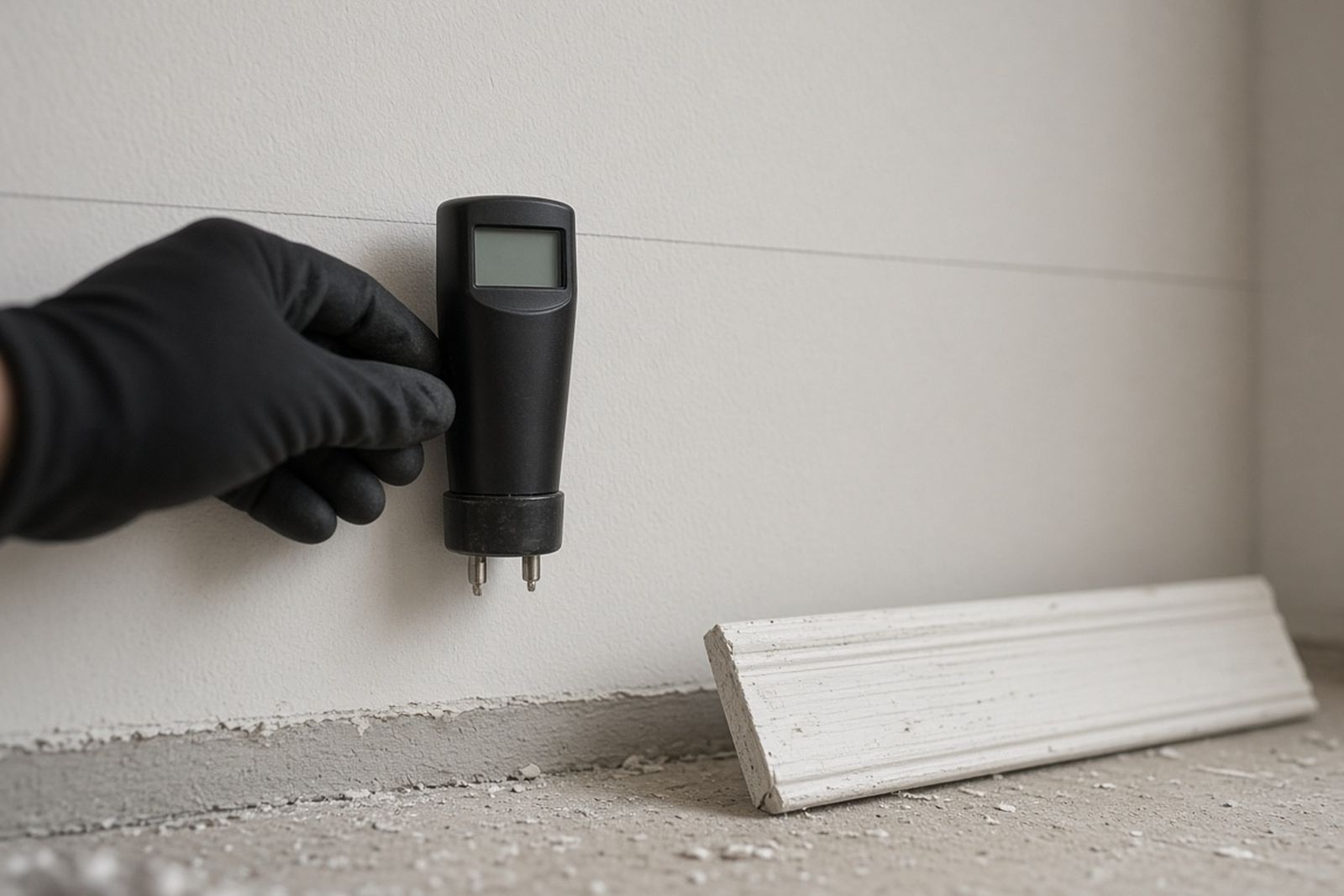
What pushes a sewage, urine, or waste cleanup quote up or down: how far fluid traveled, which materials must go, access, disposal, and the disinfectant used.
The price of a feces or bodily fluid cleanup depends mostly on how far the contamination traveled, not how it looks on the surface. Porous materials that absorbed waste, subfloor and wall cavities, tight access such as crawlspaces, containment, disposal volume, and the disinfectant's labeled contact time all add labor. Ask for an itemized scope so you can see which of these drove your number.
Does Homeowners Insurance Cover Feces & Bodily Fluid Cleanup?
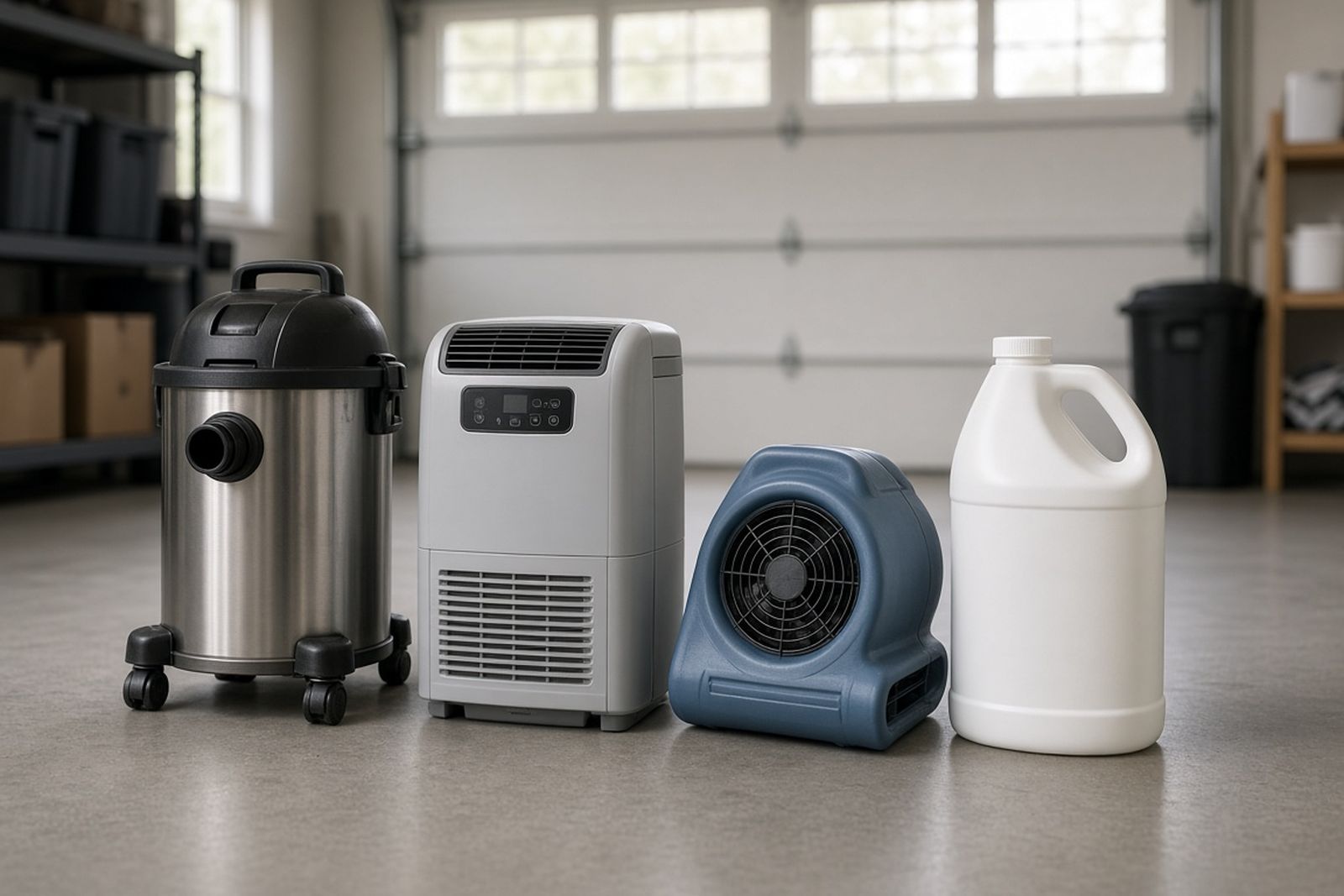
Sewage backups, pet waste, and fluid-soaked floors are judged by cause, not by mess. See how carriers look at feces and fluid cleanup and what to document.
Sometimes. Homeowners policies respond to the cause of the contamination, not to the fact that waste is present. A sudden pipe failure may be treated differently from a municipal sewer backup, gradual seepage, or neglect. Many standard policies exclude sewer backup unless you bought an endorsement. Call your carrier before materials are removed, document everything, and get the coverage decision in writing.
How to Compare Low and High Feces & Bodily Fluid Cleanup Bids
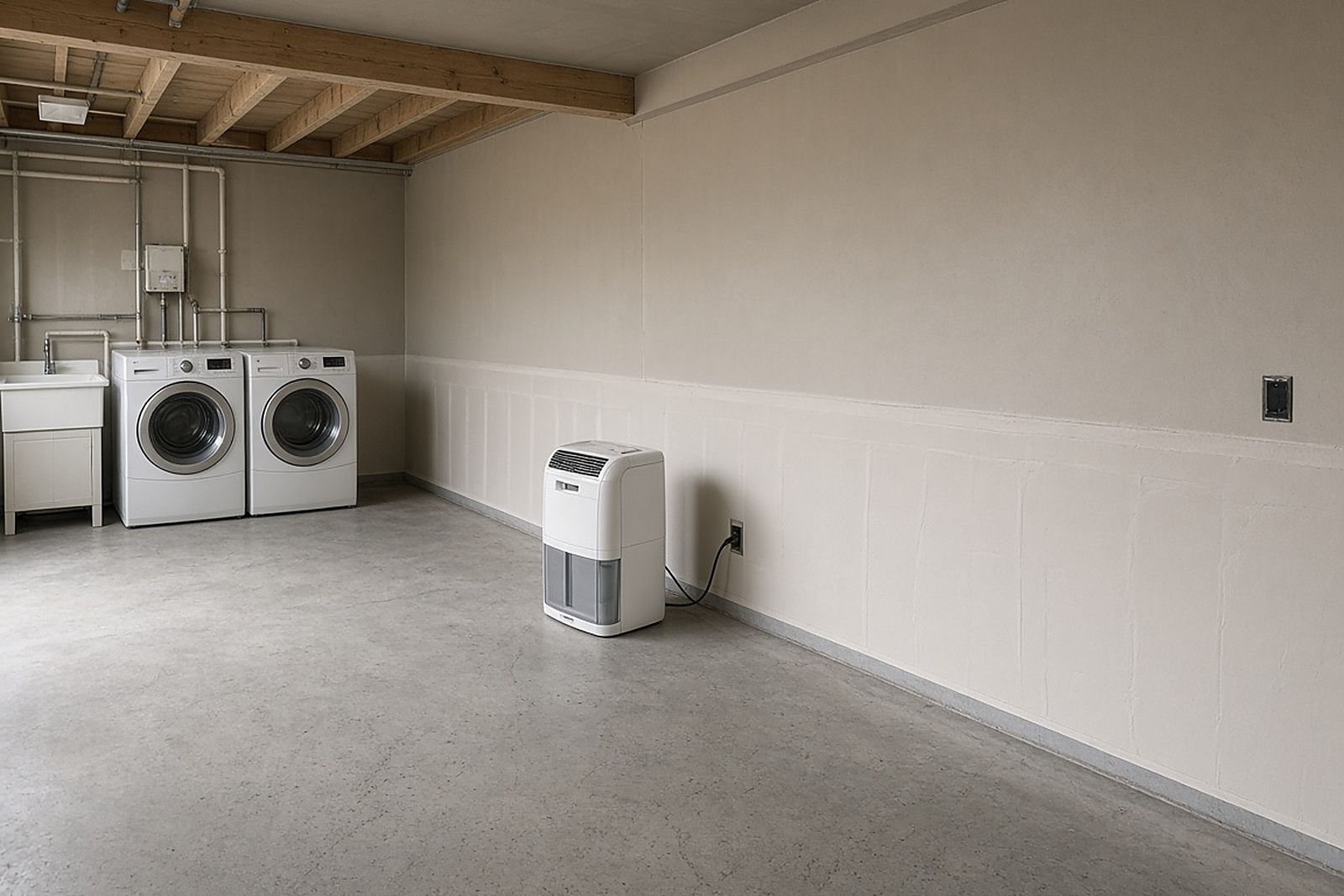
Sewage and waste cleanup bids often differ because they describe different jobs. Compare what gets removed, dried, disinfected, and documented before price.
To compare sewage or bodily fluid cleanup bids fairly, break each one into tasks: extraction, removal of soaked porous materials, cleaning and disinfection, drying and moisture checks, waste disposal, and documentation. A low bid often leaves out material removal or drying, which can lead to lingering odor, mold, or a second job. A higher bid should justify its extra cost with specific, visible steps you can verify.
Sourced figures on costs & insurance
- $2 billion
Foodborne norovirus illness alone costs the US about $2 billion a year, mainly in lost productivity and healthcare expenses.
Read with care: Excludes person-to-person and environmental transmission costs.
Source: CDC (2024)United States, foodborne cases only
- $50–$250/year
Standard homeowners insurance does not typically cover water or sewer backup; an optional endorsement costs roughly $50 to $250 per year with limits starting around $5,000.
Read with care: Single insurer's general guidance; premiums and limits vary by carrier and state.
Source: The Hanover Insurance Group (2024)US homeowners policies, insurer guidance
- 1 in 60 homes
About 1 in 60 insured homes files a water damage or freezing claim each year, with an average payout of $15,400 and 22.6% of all homeowner claims in 2023.
Read with care: Water damage category includes burst pipes and is not limited to sewage backups.
Source: Insurance Information Institute (2025)US homeowners insurance claims, 2019–2023
These figures are public research and agency data, not this network's own job records. Keep each number with its population, year and limits; none of them predicts cost, timing or outcome at a specific property.
What research has found
Findings from published studies of people and properties in situations like this one. They describe what researchers observed in a specific group; they are not predictions for your case.
More serious home damage predicted adverse cleanup-related outcomes.
An as-treated exacerbation comparison favoured remediation; the intention-to-treat comparison was not statistically significant.
Costs & Insurance: common questions
Why does sewage cleanup cost more than clean-water drying?
Dirty water usually means soft materials are removed instead of dried in place. Crews wear more protective gear. The area is sealed off, and disinfecting follows cleaning. Debris may need special handling. Each of those steps adds labor and materials that a clean-water job usually skips.
Will homeowners insurance cover a toilet overflow?
A sudden, accidental overflow is often treated differently from a sewer backup or a long-term leak. But the wording varies by policy. Some policies cover overflow damage but leave out backups from the main unless you bought an add-on. Read the policy and report the loss quickly. Ask the adjuster to put their coverage decision in writing.
How do I compare two very different cleanup bids?
Put both bids side by side and match each line. Look at affected rooms, materials removed, products used, drying machines and how long they run, disposal, and testing. Note what each bid leaves out and what would lead to a change order. A lower bid that skips checking the subfloor or disposal may cost more later if odor comes back.
What costs are easy to overlook when budgeting for a waste cleanup?
People often forget the plumbing repair that caused the problem. They also forget rebuild work after cleanup, replacing belongings, a short-term place to stay, and higher utility bills from running drying machines. Disposal fees and return moisture checks can add up too. Ask your company for a full list of what its plan includes and what you will need to arrange on your own.
Does insurance usually pay for the plumbing repair as well as the cleanup?
Often not in the same way. Many policies cover the damage that results from a sudden event. But they often leave out the cost of fixing the pipe, fixture, or sewer line itself, especially when wear and tear is involved. Ask your adjuster to explain which parts of the loss are covered. Keep the plumber's bill apart from the cleanup bill.
Should I pay a deposit before cleanup work begins?
Some companies ask for a deposit. This is most common for large jobs or when insurance will pay later. Read the contract to see what the deposit covers and when the rest is due. Be careful about large payments up front before any work is done. Do not pay in cash without a receipt. Paying in stages tied to finished steps gives you more protection.
What if my insurer only pays part of the cleanup bill?
Ask the adjuster for a written explanation of what was denied and why. Compare it with your provider's scope and documentation. Some gaps close once the adjuster sees moisture readings or photos. If you still disagree, ask about your carrier's appeal process. Talk with your provider about how the remaining balance will be handled before the job starts, not after.
Related community polls
Every count is a real visitor vote; nothing is seeded or padded. One vote per poll per device, and you can change your answer.
When you discovered a sewage backup or waste problem at home, what did you do first?
How did you decide whether soaked carpet could be saved?
More on feces & bodily fluid cleanup
Feces & Bodily Fluid Cleanup services
See how pro cleanup of sewage, waste, and soaked materials really works in homes and rentals. Learn about moisture checks, removing materials, and records.
Costs explained
What drives the price, published cost ranges, and how to read a written quote line by line.
Insurance and payment
Which policies may respond, how to document a claim, and what to do if coverage is denied.
Planning tools
Use hands-on tools to see cost drivers, check a company, organize a claim, plan the first day, sort debris, and weigh doing it yourself.
Community polls
See how other homeowners, landlords, and caregivers handled sewage backups and waste messes. Compare their choices with the one in front of you.
Knowledge quiz
Test what you know before you call a company or start cleanup. Learn to spot hazards, keep a mess in one place, clean in the right order, and deal with waste.
Field guides
Step-by-step guides walk through common home situations. They explain what to expect, what to record, and which choices depend on local rules.