Short answer
Sometimes. Homeowners policies respond to the cause of the contamination, not to the fact that waste is present. A sudden pipe failure may be treated differently from a municipal sewer backup, gradual seepage, or neglect. Many standard policies exclude sewer backup unless you bought an endorsement. Call your carrier before materials are removed, document everything, and get the coverage decision in writing.
The cause matters more than the mess
When you open a claim for sewage or bodily fluid contamination, the adjuster is not asking how unpleasant the room is. The adjuster is asking what event put the waste there, because every homeowners policy is organized around covered and excluded causes of loss.
A toilet supply line that bursts overnight, a drain line that cracks inside a wall, and a city main that pushes sewage up through your basement floor drain can all leave the same brown water on the same carpet. On paper, though, they may fall under three different parts of the policy, or under none of them.
That is why your first job is not to describe the damage but to pin down the source. If a plumber finds the cause, ask for a written note that names it, dates it, and explains whether the failure was sudden or had been going on for a while.
Is a sewer backup covered on a standard homeowners policy?
Often it is not, unless you added coverage. The Hanover Insurance Group noted in 2024 that standard homeowners insurance does not typically cover water or sewer backup, and that an optional endorsement costs roughly $50 to $250 per year with limits starting around $5,000.
That endorsement is easy to overlook when you buy a policy, and many people only learn whether they have it after the floor drain overflows. Pull your declarations page and look for a line item that mentions water backup, sump overflow, or sewer backup. If you see one, note the limit, because a finished basement with carpet, drywall, and stored belongings can exceed a modest sublimit quickly.
If you do not see it, do not assume the answer is no. Some carriers structure the coverage differently, and the wording of your specific form controls. Ask the adjuster to cite the exact exclusion or coverage part they are applying.
How common water claims are, and what they pay
Water losses are one of the most frequent reasons people file. The Insurance Information Institute reported in 2025 that about 1 in 60 insured homes files a water damage or freezing claim each year, with an average payout of $15,400 and 22.6% of all homeowner claims in 2023.
That figure blends clean-water leaks, frozen pipes, and contaminated losses, so treat it as background rather than a benchmark for your own claim. A sewage loss usually involves more material removal than a clean-water leak because porous items that absorbed waste are rarely dried and kept.
Knowing the general scale helps you ask better questions. If your estimate is far above or below what the adjuster expected, ask which line items drove the difference instead of arguing about the total.
Pet accidents, illness, and a loved one who could no longer manage
Not every feces or fluid cleanup starts with plumbing. Years of pet urine soaking into subfloor, a family member who became ill and could not reach the bathroom, or a home where waste accumulated during a period of decline are all situations this niche deals with regularly.
Carriers often view slow accumulation differently from a sudden event. Language about wear and tear, gradual damage, neglect, or animals appears in many policy forms, and it may limit what the carrier will pay for. That does not mean you have done something wrong; it means the policy was written around accidents rather than long-term conditions.
If the contamination is connected to a death in the home, the claim may be reviewed under a different set of facts. Ask the carrier directly how they will treat it, and keep your conversations factual and brief while you handle everything else.
Document before any flooring comes up
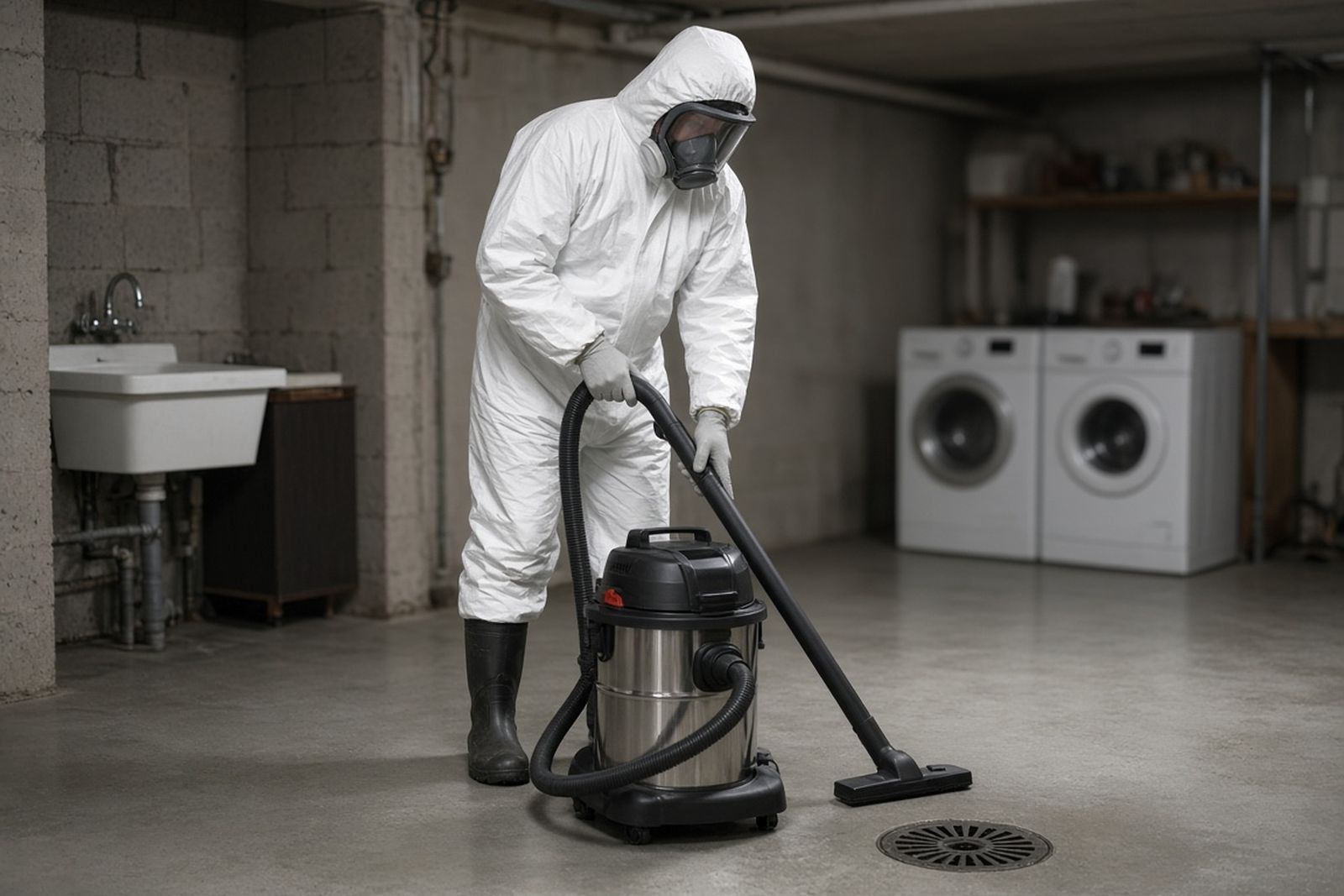
Once a remediation crew starts pulling carpet pad and cutting drywall, the evidence of what was contaminated goes into sealed bags. Photograph and record first, while keeping your own exposure low.
Stay out of standing sewage and do not walk through soiled areas to get a better angle. Shoot from doorways, and let the provider take close-up images once they are suited up.
- Wide photos of each affected room from the entry, plus the visible waterline on walls
- The source point, such as the floor drain, cleanout, toilet flange, or broken fitting
- Serial numbers and model labels on damaged appliances, furniture tags, and flooring samples
- The plumber's written cause statement with date and name
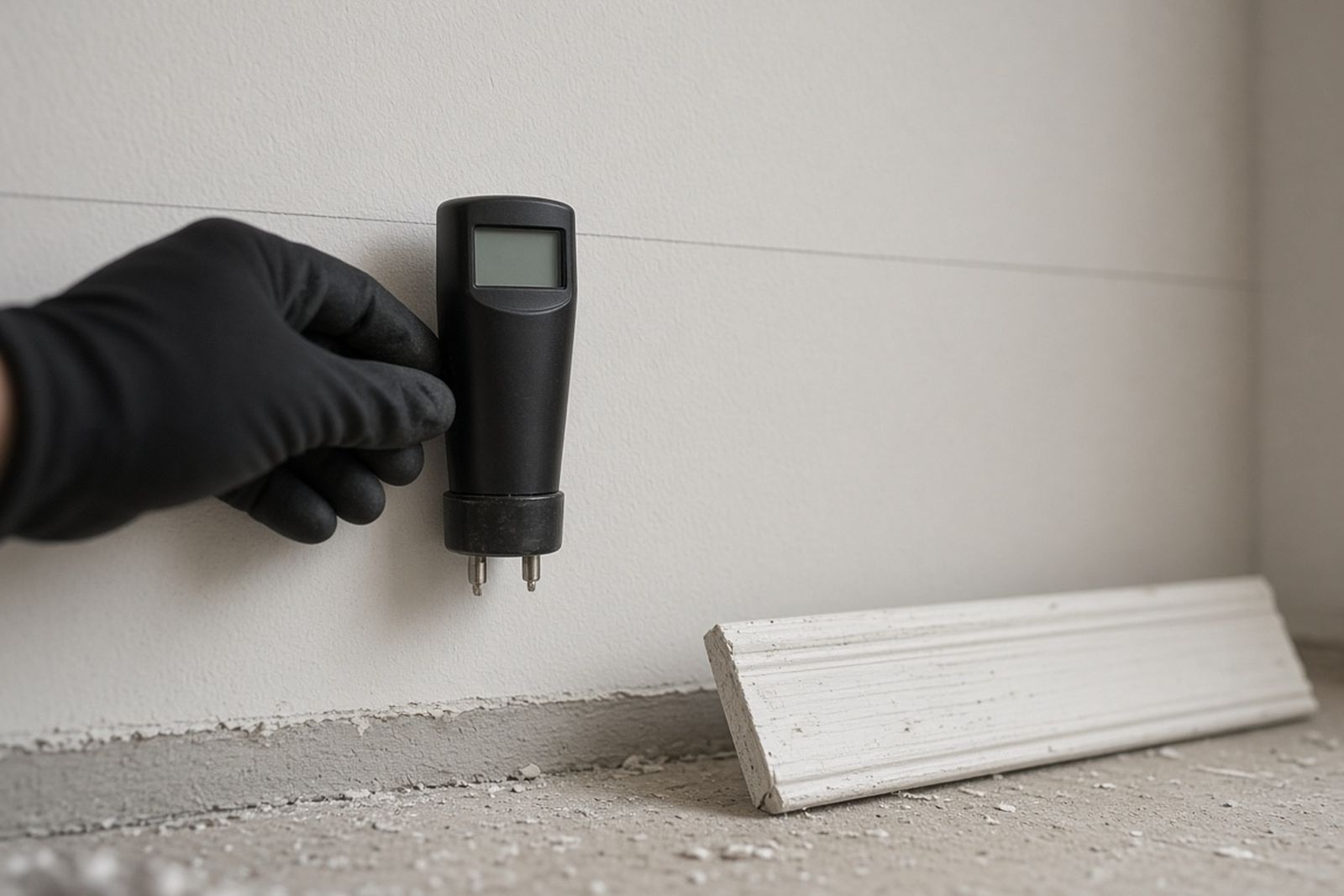
- The remediation company's moisture readings and a room-by-room list of removed materials
- Waste disposal records showing where contaminated debris went
- Your claim number, adjuster's name, and dates of each call
When to call the carrier
Call as soon as everyone is safe and out of the affected area. Most policies include a duty to report losses promptly and to take reasonable steps to prevent further damage, so waiting a week while sewage sits in carpet can create a second problem on top of the first.
Reasonable steps usually means stopping the source if you can do so safely, such as not running water or flushing toilets that drain to the same line, and bringing in a qualified provider to begin mitigation. It does not mean tearing out materials yourself before the adjuster has a chance to see them or approve the work.
Questions for the first call
Keep the first call short and specific. Write down the answers along with the date and the name of the person you spoke with.
- Which coverage part are you evaluating this loss under, and is there a sublimit?
- Does my policy include a water backup or sump overflow endorsement?
- May I authorize emergency mitigation now, and what do you need from the provider?
- Do you want to inspect before contaminated flooring and drywall are removed?
- Is there coverage for temporary housing if the home is not safe to occupy?
- Will you send your coverage position in writing?
One illustrative sequence for a basement backup claim
Here is an illustrative sequence, not a real claim. A homeowner returns from a weekend away to find a few inches of sewage across a finished basement after heavy rain. The water came up through the floor drain, soaked the carpet and pad, wicked into the bottom of the drywall, and reached a storage area of cardboard boxes.
The homeowner photographs the scene from the stairs, calls the carrier the same day, and asks two things: whether emergency mitigation can begin, and whether the policy includes a backup endorsement. The adjuster confirms an endorsement with a limit and asks for an itemized estimate before reconstruction.
The remediation provider writes a scope listing the water category, the square footage of carpet and pad removed, the height of the drywall cut, the disinfectant used and its contact time, and a disposal log. The homeowner forwards that scope to the adjuster and keeps copies of every invoice.
Whether the claim is paid in full, partly, or not at all depends on that particular policy. The point of the example is the sequence: document, notify, ask, then remove.
Can the cleanup company promise the insurer will pay?
No. A remediation company can document conditions, write an estimate, and communicate with an adjuster if you authorize it. Only the carrier can decide coverage.
Be cautious with any provider who says the job is guaranteed to be covered or asks you to sign an assignment of benefits before you understand what that means. Read anything you sign, ask what happens if the carrier denies part of the claim, and confirm who is responsible for the balance.
A good provider will say something like: we will give you a clear scope and photographs, and your carrier will make the call. That honesty is a better sign than a promise.
Renters, condos, and backups from a neighbor's line
Renters usually have two separate issues. The building structure, including flooring and drywall, is typically the landlord's responsibility and falls under the owner's policy. Your own belongings may fall under a renters policy, which has its own exclusions for backup and gradual damage.
In condos and multi-unit buildings, the association's master policy may cover common lines while your unit policy covers interior finishes. If the waste came from another unit, the owner of that unit or their carrier may be involved.
Put everything in writing, notify the landlord or association promptly, and avoid moving back into a contaminated unit until the remediation is complete. If you cannot get a clear answer from the carrier about who is responsible, your state insurance department can explain how to raise the question.