Short answer
To compare sewage or bodily fluid cleanup bids fairly, break each one into tasks: extraction, removal of soaked porous materials, cleaning and disinfection, drying and moisture checks, waste disposal, and documentation. A low bid often leaves out material removal or drying, which can lead to lingering odor, mold, or a second job. A higher bid should justify its extra cost with specific, visible steps you can verify.
Why bids for the same room come in so far apart
You have a basement or bathroom with sewage on the floor, three companies come out, and the numbers are nowhere near each other. That is frustrating, especially when you are already dealing with the smell and disruption.
Most of the time, the difference is not about honesty or greed. It is about scope. One company may plan to extract the water, spray disinfectant, and set a fan. Another may plan to cut out wet drywall, pull carpet and pad, remove soaked baseboards, clean and disinfect the structure, install drying equipment, and check moisture until the materials are dry. Those are very different jobs with very different outcomes.
The way to compare bids is to turn each one into a list of tasks. Once you do, the price differences usually make sense, and you can decide which scope actually fits your situation.
Before anyone arrives, write a short description of what happened: when the backup started, where the sewage reached, what the floors and walls are made of, and whether the source has been fixed. Giving every company the same information makes it more likely their bids describe the same problem.
Tasks every sewage or fluid cleanup bid should address
Ask each company to itemize the work rather than giving you a single total. If a bid does not mention one of the tasks below, ask whether it is included, excluded, or will be billed later.
Some tasks, such as plumbing repair and rebuilding, are usually handled by other trades. Make sure you know who is responsible for each so nothing falls between contractors.
- Containment to keep contamination from spreading to clean areas
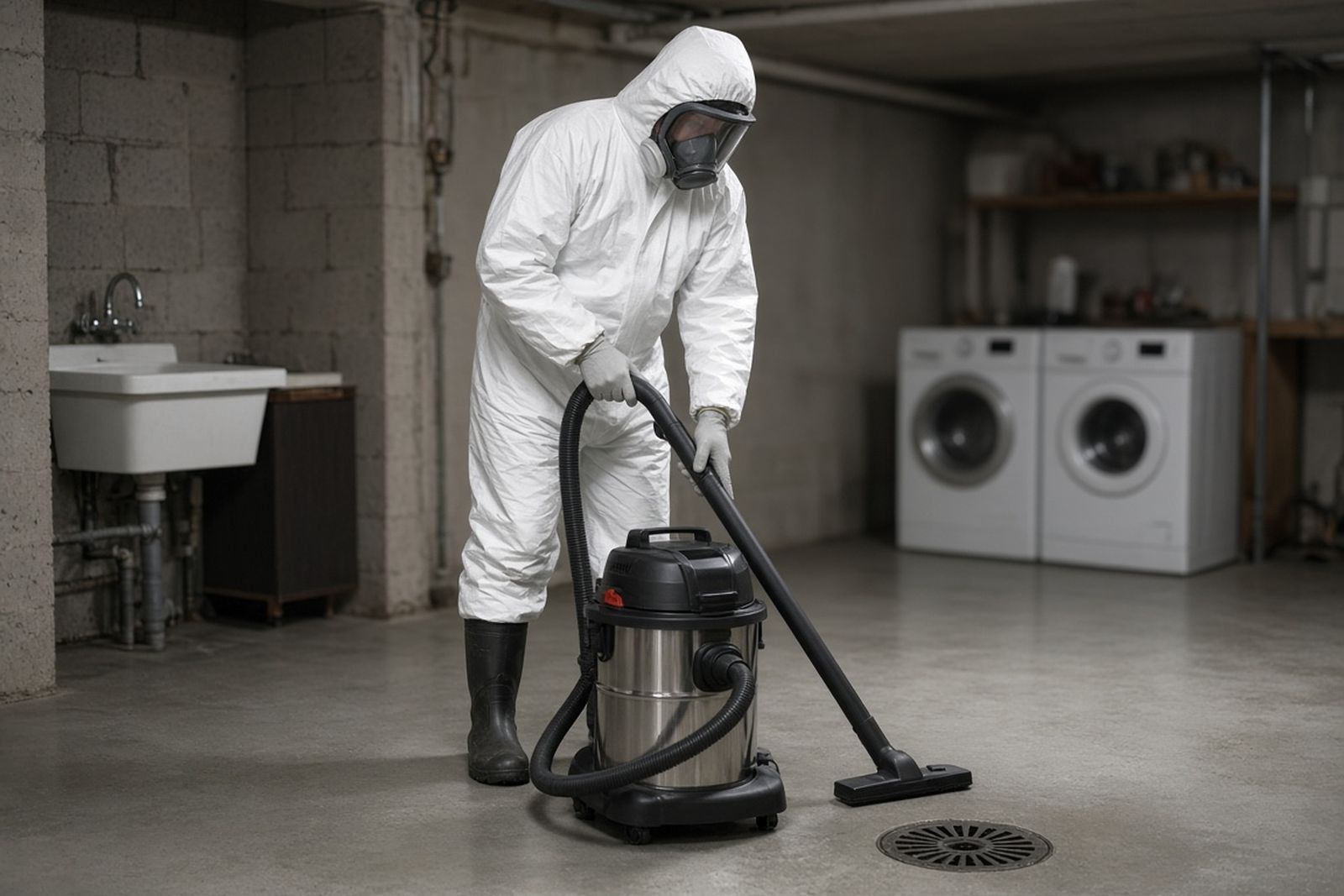
- Extraction of standing sewage or fluids
- Removal of porous materials that absorbed contamination, such as carpet, pad, drywall, insulation, and some cabinetry
- Cleaning of non-porous surfaces before disinfection
- Disinfection with a registered product at the labeled contact time
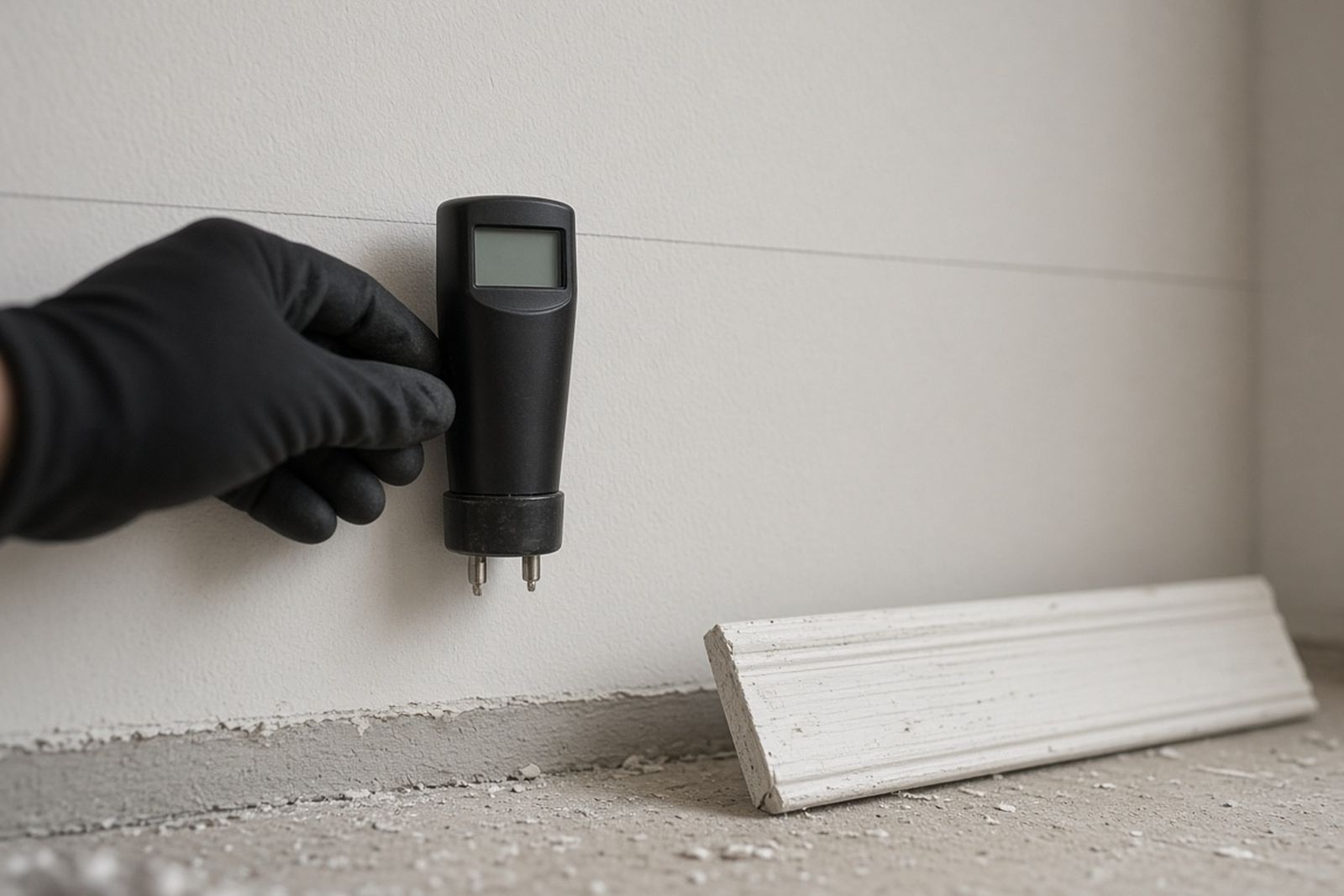
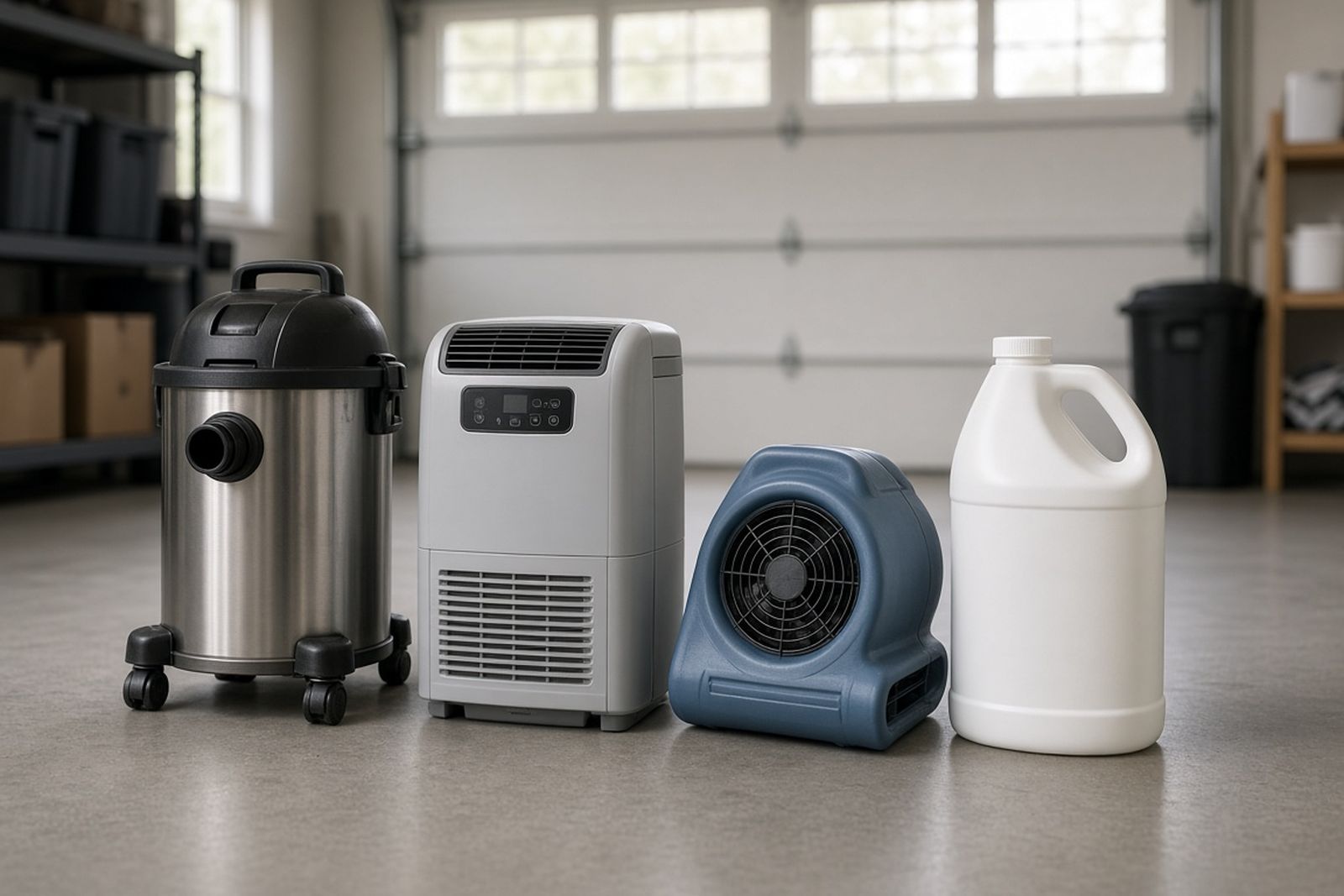
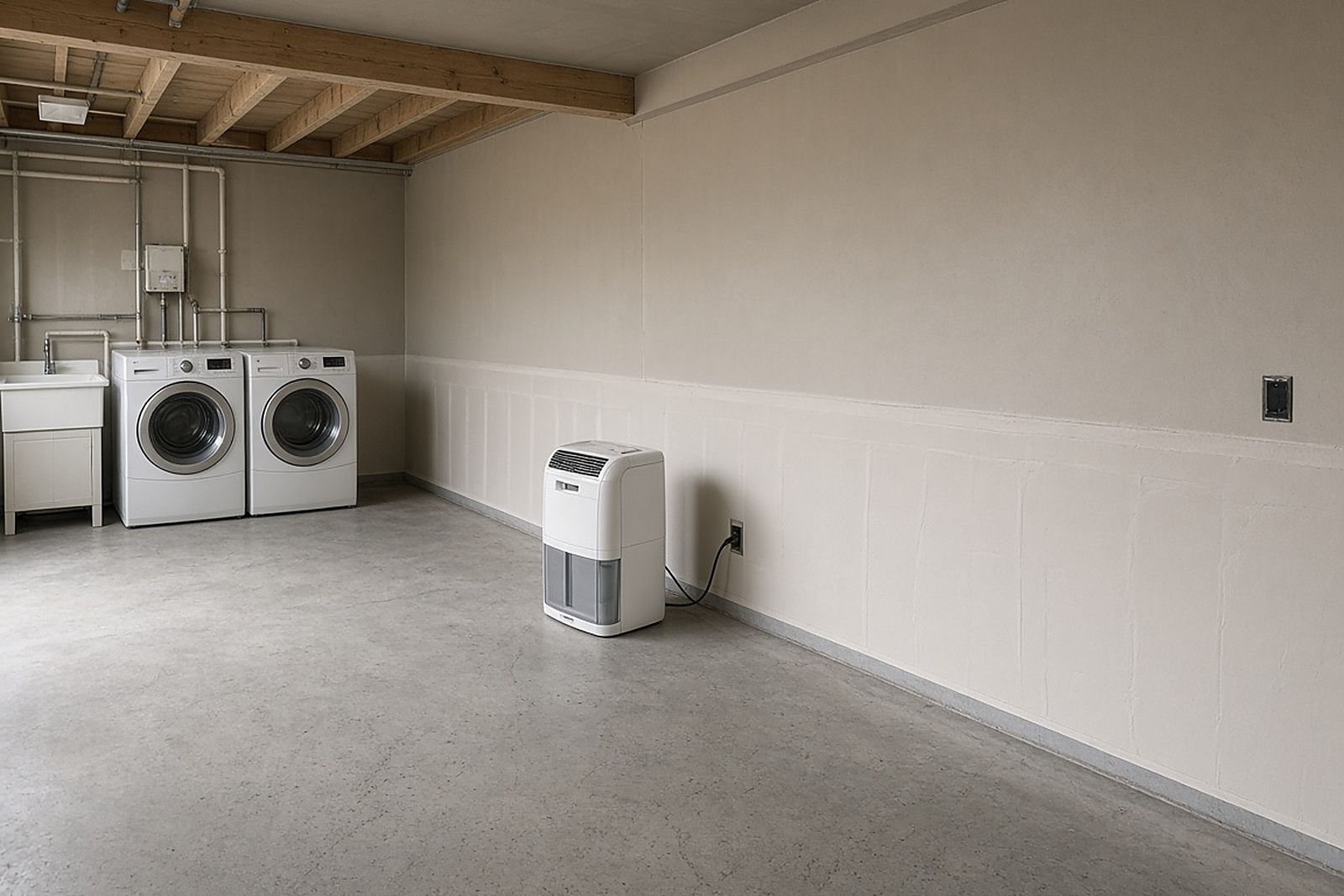
- Drying equipment and moisture readings until materials reach a dry standard
- Handling of contents, including what is cleaned, discarded, or set aside for your decision
- Bagging, hauling, and disposal of waste
- Photographs and a written summary of work completed
Why does material removal make such a big difference?
Porous materials soak up sewage and hold it where cleaning products cannot reach. Carpet pad, the paper face and gypsum core of drywall, insulation, and particleboard are the usual examples. Surface disinfection does not reach contamination inside them.
A lower bid sometimes leaves those materials in place and relies on spraying and drying. The room may look better and smell better for a while. But the contamination and moisture are still inside the walls or under the floor, which can lead to returning odor, staining, and mold.
Ask each company how much drywall they plan to remove, whether they will pull carpet and pad, and how they will treat the subfloor and wall cavities. A good answer explains the reasoning, such as the height water reached on the walls, rather than giving a vague estimate.
What stays, and bids that treat everything alike
It is also reasonable to ask what they will not remove and why. Tile, sealed concrete, and many hard surfaces can usually be cleaned and disinfected in place.
Watch for bids that treat everything the same way. A company that plans to remove every material in the room regardless of how wet it is, or one that plans to remove nothing at all, is probably not looking closely. Good estimates vary by material and by how far the contamination actually traveled.
Disinfectants and drying: what to ask
Ask which disinfectant each company plans to use and whether it is EPA registered for the organisms you are concerned about. For sewage and stomach illness, norovirus is often the main concern. A company that knows its product should be able to tell you its registration number and the contact time printed on the label.
Contact time matters because disinfectant must stay wet on the surface for the labeled period to work. A quick spray followed by immediate wiping may not be enough.
Drying is the other half. Ask whether the company will take moisture readings at the start, during, and at the end, and what reading they consider dry for your materials. Drying without measurement is guesswork.
How insurance changes the comparison
Whether insurance covers a sewage cleanup depends heavily on your policy and on what caused the backup. The Hanover Insurance Group notes that standard homeowners insurance does not typically cover water or sewer backup, and that an optional endorsement costs roughly $50 to $250 per year with limits starting around $5,000. If you have that endorsement, the limit may affect which scope you can afford without paying out of pocket.
Sewage backups may be treated differently from clean water losses, so ask your agent specifically how your policy handles them.
Call your insurer before choosing a bid if you intend to file a claim. The adjuster may want to see the damage, review the estimates, or approve the scope. Do not assume a company that says it works with insurance can promise coverage.
Three bids for one basement, for illustration
To make the comparison concrete, here is an illustrative case rather than a real one. A landlord owns a duplex. A main line clog sends sewage into the finished basement of the lower unit, soaking about half of the carpeted family room and the bottom of the drywall. The tenant has moved upstairs with family while the problem is fixed, and the landlord gets three bids.
The lowest bid covers extraction, disinfectant spray, and two days of fans. The middle bid adds removal of carpet and pad in the affected area and disinfection of the slab. The highest bid adds a cut of the lower drywall and insulation where moisture readings show contamination, removal of the lower baseboards, containment with plastic sheeting, moisture readings until dry, and a written report with photographs.
The landlord calls each company with the same questions. The lowest bidder cannot say which disinfectant they use or how they will know the walls are dry. The middle bidder explains that they rarely remove drywall and says odor usually fades.
The landlord chooses the highest bid, because it addresses the contamination inside the walls and produces documentation the landlord can share with the tenant and the insurance adjuster. The landlord also asks the plumber to document the clog's cause for the claim.
Red flags: low for the wrong reasons
A lower price can reflect efficiency, a smaller affected area, or a company with lower overhead. Those are fine. The concern is when a bid is low because important work is missing.
If you notice these patterns, ask more questions before you sign anything.
Also be wary of any company that discourages you from getting other bids, tells you your insurer has already approved its price when you have not spoken to the adjuster, or asks for full payment before starting work. Reasonable deposits exist, but the terms should be clear and in writing.
- No mention of removing soaked porous materials
- Heavy reliance on fragrance, ozone, or deodorizers instead of removal and cleaning
- No named disinfectant or contact time
- No plan for measuring moisture or confirming materials are dry
- Waste disposal not addressed
- A single total with no breakdown of tasks
- Pressure to sign immediately or to assign insurance benefits without explanation
When might a higher bid be too much?
Expensive bids deserve scrutiny too. Some companies propose removing more material than necessary, or recommend services such as whole-house fogging or air testing that do not fit a small, contained event.
Ask the higher bidder to explain why each line item is needed for your situation. A good company will adjust the scope when the reasoning does not hold up, and will tell you what could be done now versus what could wait until after an inspection.
Getting a second opinion on a very large scope is reasonable, especially if the contamination was limited to one room.
Get it in writing before work begins
Once you pick a company, ask for a written scope that lists the areas involved, materials to be removed, products to be used, drying plan, and how waste will be handled. It should also say how changes will be approved if hidden damage turns up.
Keep copies of all bids, photographs, and communication. They are useful for insurance, for any dispute with a tenant or neighbor, and for your own records.
Some jurisdictions have requirements for sewage cleanup in rental housing or for disposal of contaminated building materials, and your local health department can explain what applies.