Short answer
OSHA rules apply to employers whose workers clean up sewage, feces, urine, or vomit, not to homeowners cleaning their own property. For employers, the key standards are the PPE hazard assessment, respiratory protection, hazard communication for disinfectants, and sometimes confined space rules. The Bloodborne Pathogens standard applies when blood is present. Landlords and property managers who send staff into a backup carry these obligations.
Does OSHA apply if you clean up a sewage backup in your own home?
Generally, no. OSHA regulates the relationship between employers and employees. If you are a homeowner mopping up after a toilet overflow in your own bathroom, no federal workplace standard tells you what gloves to wear.
That changes the moment someone is paid to do the work. A property management company that sends a maintenance technician into a flooded basement, a cleaning company whose staff handle an accident in a group home, or a restoration contractor removing soaked carpet all have employees exposed to the hazard. Those employers carry OSHA obligations.
Even when OSHA does not apply to you directly, its standards are a useful yardstick. They describe what a careful employer would do to protect a worker from the same hazards you face, and you can borrow that thinking for your own safety.
Does the Bloodborne Pathogens standard cover feces and urine?
Many employers assume the answer is yes, and the reality is more nuanced. The Bloodborne Pathogens standard, 29 CFR 1910.1030, focuses on blood and a defined list of other potentially infectious materials. OSHA has explained in its interpretations that feces, urine, and vomit are generally not treated as potentially infectious materials under that standard unless they contain visible blood.
That does not mean fecal contamination is harmless. It carries its own set of enteric organisms, meaning germs that spread through the gut, such as norovirus, hepatitis A, and several bacteria. The standard simply was not written around them.
When blood is in the mix
In practice, many cleanup scenes involve both. Bodily fluid accidents in care settings, sewage mixed with sanitary products, or waste accumulations in homes where someone was ill can include blood. When blood is present or likely, employers should apply the full bloodborne pathogens framework, including the exposure control plan, training, and hepatitis B vaccination offers.
When it is not, the obligation to protect workers still exists. It just comes from other standards and the General Duty Clause.
Six standards that usually apply
Several general standards fit together to cover the hazards in a typical job. Employers who handle this work regularly should be able to point to how they address each one.
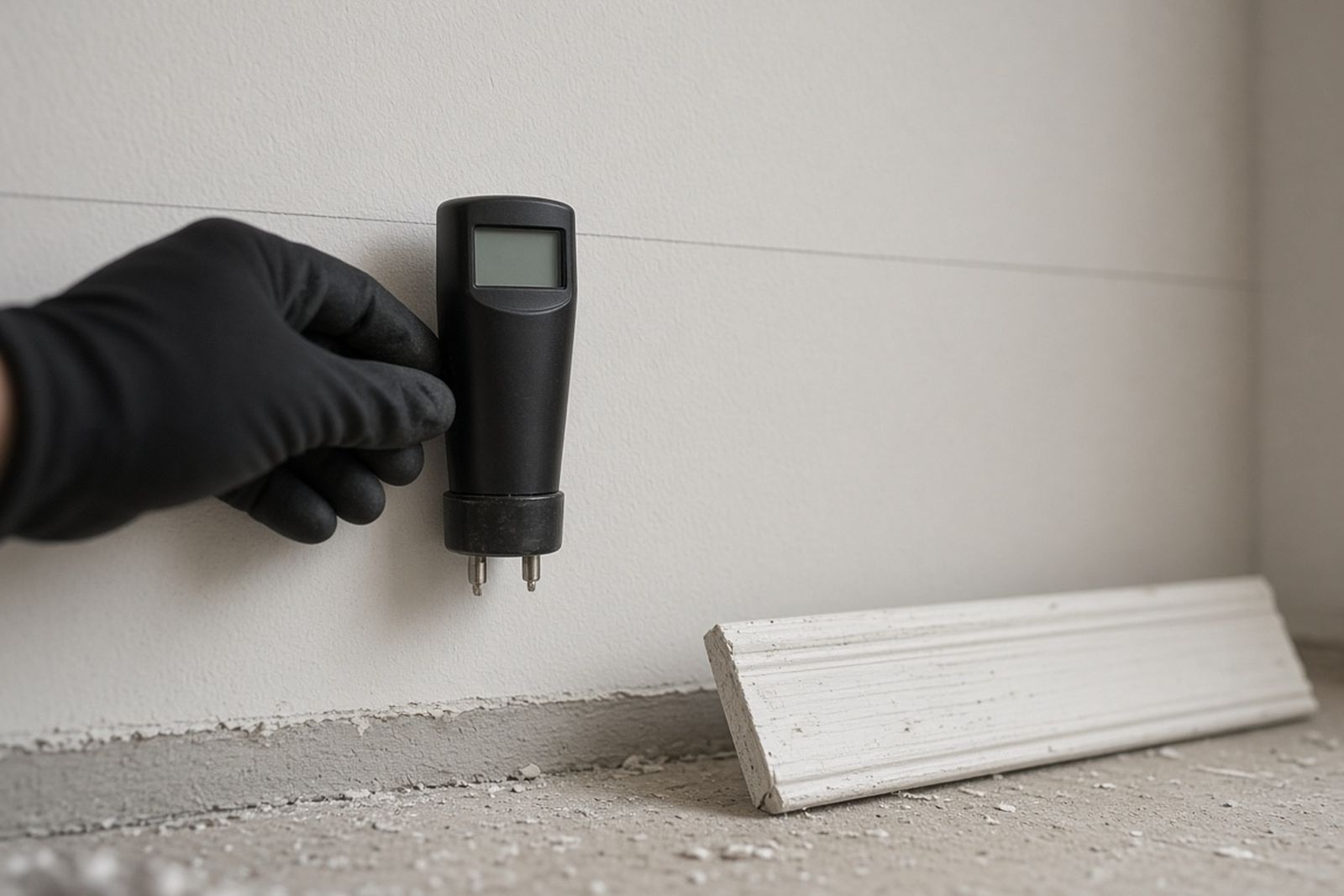
If the work includes demolition, such as cutting out soaked drywall or removing subflooring, parts of the construction standards in 29 CFR 1926 may also apply. Ask your safety advisor how your specific tasks are classified.
- PPE hazard assessment (29 CFR 1910.132): a written evaluation of splash, contact, and puncture hazards with matching gloves, suits, boots, and eye protection
- Respiratory protection (29 CFR 1910.134): a written program, medical evaluation, and fit testing when respirators are required for odors, aerosols, or mold
- Hazard communication (29 CFR 1910.1200): safety data sheets and training for every disinfectant, deodorizer, and cleaning chemical
- Permit-required confined spaces (29 CFR 1910.146): may apply to some pits, vaults, or tight crawlspaces with poor ventilation
- Sanitation (29 CFR 1910.141): handwashing access for workers during and after the job
- Bloodborne pathogens (29 CFR 1910.1030): applies when blood or other listed materials are present
Sewer gases and worker protection
Decomposing waste produces more than an unpleasant smell. Two gases get particular attention in enclosed spaces such as basements, crawlspaces, and lift stations.
NIOSH documentation from 1994 lists the immediately dangerous level for hydrogen sulfide, the rotten egg gas from sewage, at 100 ppm, and notes that 700 to 1,000 ppm causes rapid unconsciousness and death. For ammonia, generated as urine and feces break down, NIOSH set the immediately dangerous level at 300 ppm, while the OSHA permissible limit is 50 ppm averaged over a shift.
You cannot judge air quality by nose
Most household backups never approach those levels. The point for employers is that you cannot judge air quality by nose alone, especially because hydrogen sulfide can dull the sense of smell. A PPE hazard assessment for work in low, enclosed, or poorly ventilated areas should consider air monitoring, ventilation, and whether the space meets the definition of a confined space.
If a worker reports dizziness, headache, or nausea in a sewage-affected area, the right response is to get everyone out into fresh air, not to push through the task.
What a real respiratory protection program includes
Respirators are common in sewage and waste cleanup because of aerosols from agitation, odors, and mold that follows water damage. Handing someone a mask from the supply shelf is not a program, though.
Under the respiratory protection standard, an employer requiring respirators needs a written program, medical clearance for each wearer, fit testing, training, and procedures for cleaning and storing the equipment. Voluntary use of filtering facepieces has lighter requirements, but the employer still has to share basic information with the worker.
Follow-through is where programs often fall short. Fit testing does not happen automatically just because a company has a written program, so ask for records showing that each wearer was actually tested on the model they use.
If you are hiring a contractor for a sewage or waste job, it is reasonable to ask whether their technicians are fit tested for the respirators they will wear on your property.
Before sending maintenance staff into a backup
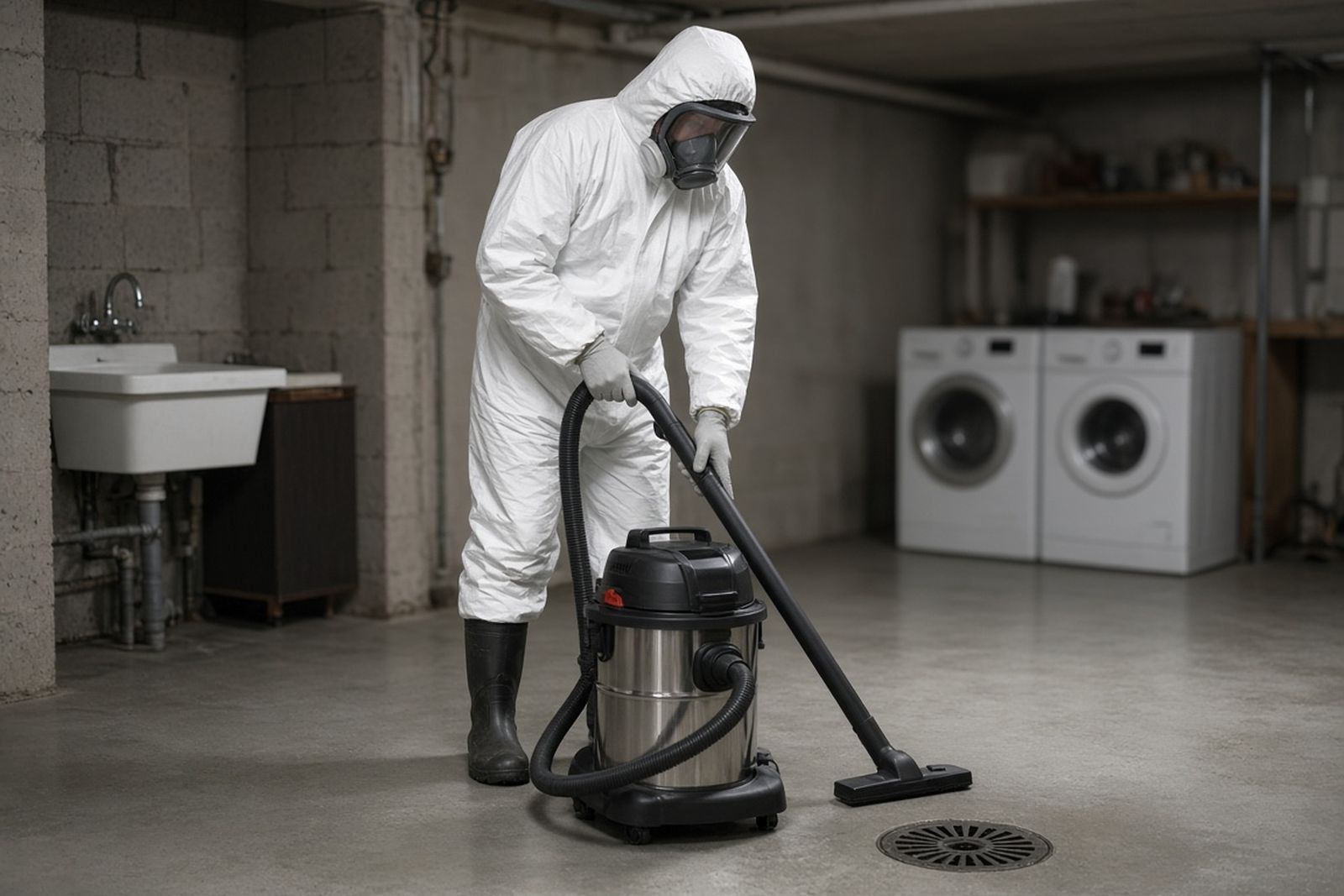
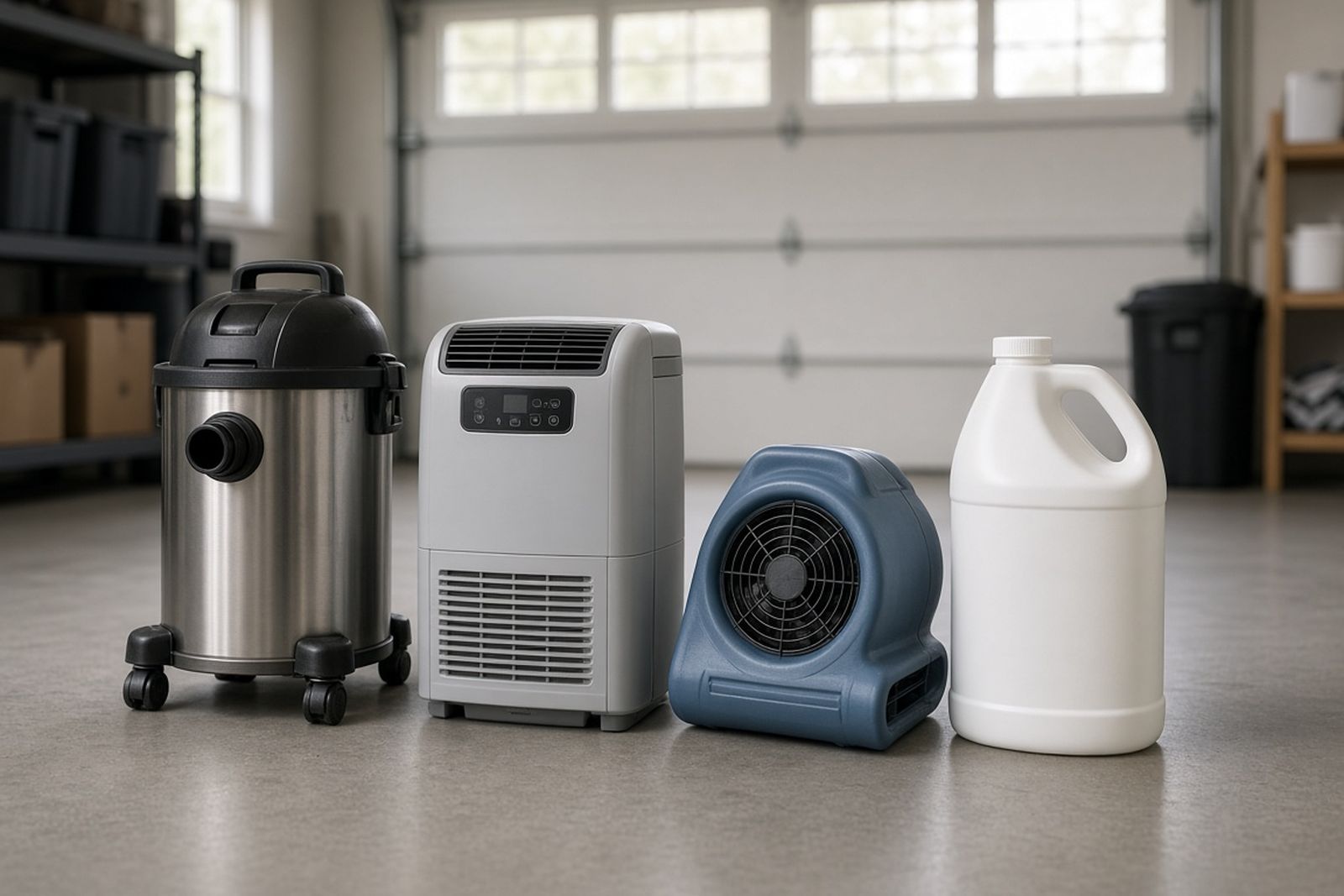
Property managers and landlords are often the employers in this picture. When a tenant calls to report sewage coming up through the floor drain in a shared basement laundry room, the on-call maintenance technician may be ready to grab a wet vacuum and head down. That is the moment to pause and think through the employer's role.
Does the technician have waterproof gloves, boots, splash goggles, and a fit-tested respirator available? Has the company done a written hazard assessment that covers sewage work? Does the technician know which disinfectant is approved and where its safety data sheet is kept? Is there a way to ventilate the basement before anyone goes in?
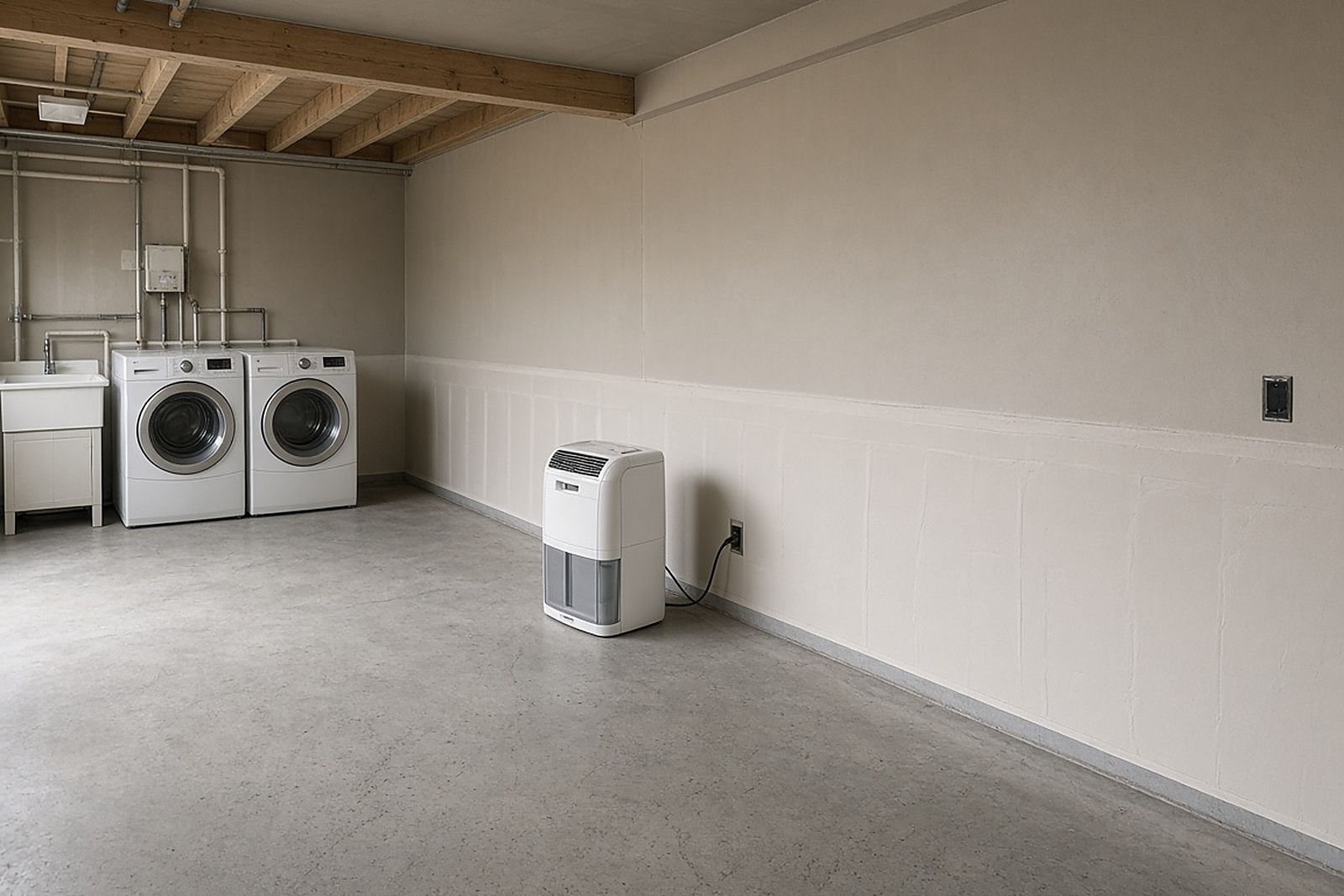
If any answer is no, a sensible limit on the technician's job that day is shutting off laundry use, posting a notice, and calling a plumber and a remediation contractor with trained staff. Afterward, the company can write a short sewage response procedure, add sewage exposure to its hazard assessment, and schedule training so the next event does not rely on improvisation.
The same approach helps landlords with even one employee. If you would not want to explain the decision to an inspector, pause and bring in trained help.
Workers' rights and protections
Employees who clean up sewage, feces, or fluid spills have a right to know about the hazards and to receive the protective equipment their employer's assessment requires, generally at no cost to them for most required PPE.
Workers can raise safety concerns with their employer and, if needed, file a complaint with OSHA or their state plan. Federal law prohibits retaliation for reporting safety concerns, though deadlines for filing retaliation complaints are short, so act promptly.
If you are a caregiver or home health aide who handles incontinence care as part of your job, ask your employer for their exposure control or infection control policy. It should explain which gloves and gowns to use, how to handle soiled linens, and what to do after a splash to the eyes or mouth.
What should you ask a cleanup contractor about OSHA compliance?
If you are a homeowner, landlord, or facility manager hiring out a sewage or bodily fluid job, you are not responsible for the contractor's internal safety program. You do have a practical interest in it, because a poorly protected crew is more likely to rush, spread contamination, or walk off the job partway through.
A reputable company should answer these questions without hesitation and, in most cases, be willing to show documents rather than just describe them. Vague answers about safety often go hand in hand with vague answers about scope and waste handling.
- Do your technicians have a written PPE hazard assessment that covers sewage and bodily fluid work?
- Are the people coming to my property medically cleared and fit tested for the respirators they will wear?
- Which disinfectants will you use, and can I see the safety data sheets before work begins?
- How will you ventilate enclosed areas such as basements or crawlspaces, and do you monitor the air?
- What will you do if you find blood, needles, or other sharps mixed into the waste?
- Who on your crew is responsible for safety decisions while they are on site?
State plans and local rules
Many states run their own OSHA-approved plans. Those plans must be at least as effective as federal OSHA and can add stricter or additional requirements. Some also cover public employees, such as school custodians and municipal wastewater staff, who fall outside federal OSHA.
Local health departments add another layer. They may have rules about sewage discharge, cleanup in rental housing, or notification when contamination affects a food service area. Waste haulers and landfills can have their own acceptance requirements for soaked materials.
Rules vary by state and county; verify with the local authority. When in doubt, a call to your state plan office or local health department before the job starts costs far less time than correcting a problem afterward.