Field guide
Sewage vs. Fecal Contamination: How to Build the Right Cleanup Scope
Learn how to tell a sewage backup from a single feces spill or blood, and what that means for soft materials, disinfecting, waste and checking the work.
Who this is for: Homeowners, landlords, facility managers and employers facing a feces, vomit, urine, sewage or mixed body fluid cleanup.
Updated 2026-08-01. Rules differ by state and city, so check the details with your local authority.
Ask about your situation
Your request is sent to the follow-up inbox. A coordinator can reply by email. Not for emergencies; call 911 first if anyone is in danger.
In short
The short answer
First, find out what the material is and where it came from. A single feces spot, a toilet overflow, a sewer backup and an unknown fluid with visible blood each raise different questions. Your first steps are the same: stop the source, keep people out, map where the liquid went, and sort the affected materials. Clean before you disinfect, follow the product label, and write down the agreed finish line. OSHA's rules on germs carried in blood apply when workers are exposed on the job to blood and other body fluids that can carry disease. They do not apply on their own to every event with only feces.
Name the event before you name the service
Start by writing down what happened, because "bodily fluid cleanup" is too broad to set a work plan. Was it a single spot of feces, vomit, urine, blood or an unknown mix? Was it a toilet overflow, a failed drain, or sewage coming in from a building system? Note whether the source is still active, how much there was, how long it sat, and which of your rooms it reached. Note anyone living there who is at higher risk, plus any soft or absorbent materials and openings in the floor. Write down any cleaning you already tried. If the source is an active plumbing or sewer problem, get that stopped and fixed before the final cleaning. A cleanup company should not claim to repair your plumbing unless that trade is part of the job and they are qualified to do it.
How you classify the event affects worker safety and what you tell people. OSHA explains that its Bloodborne Pathogens standard covers workers exposed on the job to human blood and other body fluids that can carry disease, as the standard defines them. Feces, urine and vomit are not on that list by default. But visible blood, or a case where body fluids cannot be told apart, can change the answer. Health care "standard precautions" cover a wider set of body fluids. Even so, no one should present health care guidance to you as a rule for every home. If you are an employer, you must look at the actual task and every rule that applies.
Map where the liquid went beyond what you can see
Liquid follows seams, low spots and openings, so the wet spot you can see is often smaller than the problem. It runs along carpet edges, the bottom plates of walls, cabinet kick plates, floor drains and gaps around pipes. A small wet spot on top can hide a bigger problem in the subfloor or inside a wall. Draw the edge of the affected area. Then check where it meets nearby rooms, lower floors, crawlspaces and shared building areas. Write down whether people or maintenance staff walked through the material before you controlled access. The goal is not to make the damage sound worse. It is to keep a surface-only scope from leaving a hidden source under your finish.
Time and material matter too. A fresh spot on whole, sealed tile is easier to clean than sewage that sat for hours under floating floors or soaked into drywall. Heat and moisture can affect odor and germ growth, but they do not set a single deadline for tearing things out. Ask for moisture checks and a direct look where it makes sense, so you are not guessing. If walls or floors need to be opened, decide who approves that. Plan how utilities and the structure will be handled, and say where your cleanup scope ends and rebuilding begins.
Control access, splashes, spray in the air, and sharps
Keep people and pets out of the affected area, because feet can carry material into kitchens, bedrooms, elevators or vehicles. The protective gear a company wears should match the exposure review and the work method. Gloves alone may not be enough if the work can splash the eyes, soak clothing, make dust or turn up sharps. On the other hand, a company should not use a full protective suit as proof that every job carries the same hazard. Ask how each piece of gear fits the material, how exposure could happen, and the task at hand.
Some things should never happen during your cleanup. No one should dry-sweep, use compressed air, or run a regular home vacuum over dried material. Sharps go into a proper puncture-proof container using tools, not hands. Cleaning chemicals are never mixed. Air should flow in a way that fits the product labels and the condition of your building. Before work starts, a good company sets up a clean way in and a dirty way out. It also plans how it will clean tools and wash hands. In buildings where people live or work, protect the shared hallways. Tell people about schedules and access without sharing anyone's private health details.
Keep removing waste, cleaning, and disinfecting as separate steps
Disinfectant cannot work well through heavy dirt, so the order of the work matters. First the bulk material is removed or contained. Then surfaces that can take it are cleaned with a suitable detergent and scrubbing. Only then is a disinfectant used, when your situation calls for it. CDC guidance for community buildings stresses cleaning before disinfecting and following the label directions. CDC cleaning steps for health care describe a two-step approach for blood or body fluid spills. You can use that health care document to understand the process. But no one should present it to you as a law for homes.
The product label controls the approved uses, surfaces, mixing strength, contact time, safety steps and rinsing. When disinfecting is part of your plan, the surface has to stay wet for the full time on the label. More chemical is not always better, and mixing products can cause dangerous reactions. A good company names the product and its EPA registration details. It explains why the label fits your job and records where the product was used. An air freshener, fogging, or a receipt for a product does not prove that hidden dirt was removed.
Decide material by material whether to clean or remove
Not every material can reach a clear, checkable finish line, so you decide one material at a time. Whole, sealed metal, glass, tile and other hard finishes that can take cleaners can often be cleaned and disinfected once the bulk material is gone. Carpet pad, insulation, swollen pressed wood, soaked drywall and heavily soiled upholstery may not reach a finish line you can check. Wood, grout, concrete and other partly porous materials need a look at their condition. Ask whether the contamination reached seams, nail or screw holes, cracks, raw edges or the underside. A finish that looks clean from above can still hide affected material.
Ask for a record of every removal by location and reason. The reason might be soaking, contamination that cannot be reached, or layers coming apart. It might be a disinfectant that cannot stay wet on the surface, or no reliable way to check the result. When an item is saved instead, the record should state the method and how success will be judged. Costly items may be worth a specialist's restoration. But sentimental or money value does not change the exposure controls. Keep your demolition and replacement estimates separate from the cleanup. That way a large rebuild proposal does not inflate the biohazard scope or hide why material was removed.
Sort waste and wastewater instead of guessing
Waste rules vary by material and by your state or city, so each type of waste needs its own answer. Human blood, or other body fluids that can carry disease, from covered on-the-job cleanup may fall under OSHA's regulated waste rules. Debris with only feces may follow different health, trash or wastewater rules. Do not assume that sewage-soaked soft materials, used sharps, cleaning liquids and regular throwaway gear all go in one container or to one place. Before anything is loaded out, identify each type of waste. Note who is responsible as the waste owner, the packaging, the rules for haulers, and where the waste will go.
Wastewater needs its own decision as well. Strong chemicals, solids, sharps or unknown contamination should not go down a drain just because your building has plumbing. Find out what the product label allows and what your local sewer or environmental authority requires. If a company plans to dump outdoors, pour into a storm drain, or haul without proof it is allowed, stop. Ask for the legal basis in writing. Keep the receipts, waste shipping records or acceptance records that fit each type of waste. Do not call every bag regulated waste when that has not been established.
Confirm the source is fixed, what happened to materials, and that it is dry
Your finish starts with proof that the source was stopped or handed to a qualified trade. Then review the map of the affected area, the list of what was removed and the surfaces that were kept. Check the cleaning and disinfectant records and any openings made during the work. Look at where the waste went, the moisture or drying data, and the photos. A quick swab test can show leftover organic residue on chosen surfaces, but it does not detect germs. It does not find germs from feces, confirm sewage chemistry, look inside hidden cavities, or give you a single pass-or-fail number. Use it only when the question and how to read the results are written down ahead of time.
Your closeout should name the rooms ready for use and the areas still off-limits. It should list the plumbing or rebuilding work still to do and the conditions that should prompt a follow-up. Be wary of claims that the area is sterile, that all germs are gone, or that the odor is gone for good. A smell can point to a source that is not fixed. But no smell does not prove that seams and soft materials are clean. A useful file lets you, your tenant, your insurer or a future contractor see what was found, what was done, and what was not checked.
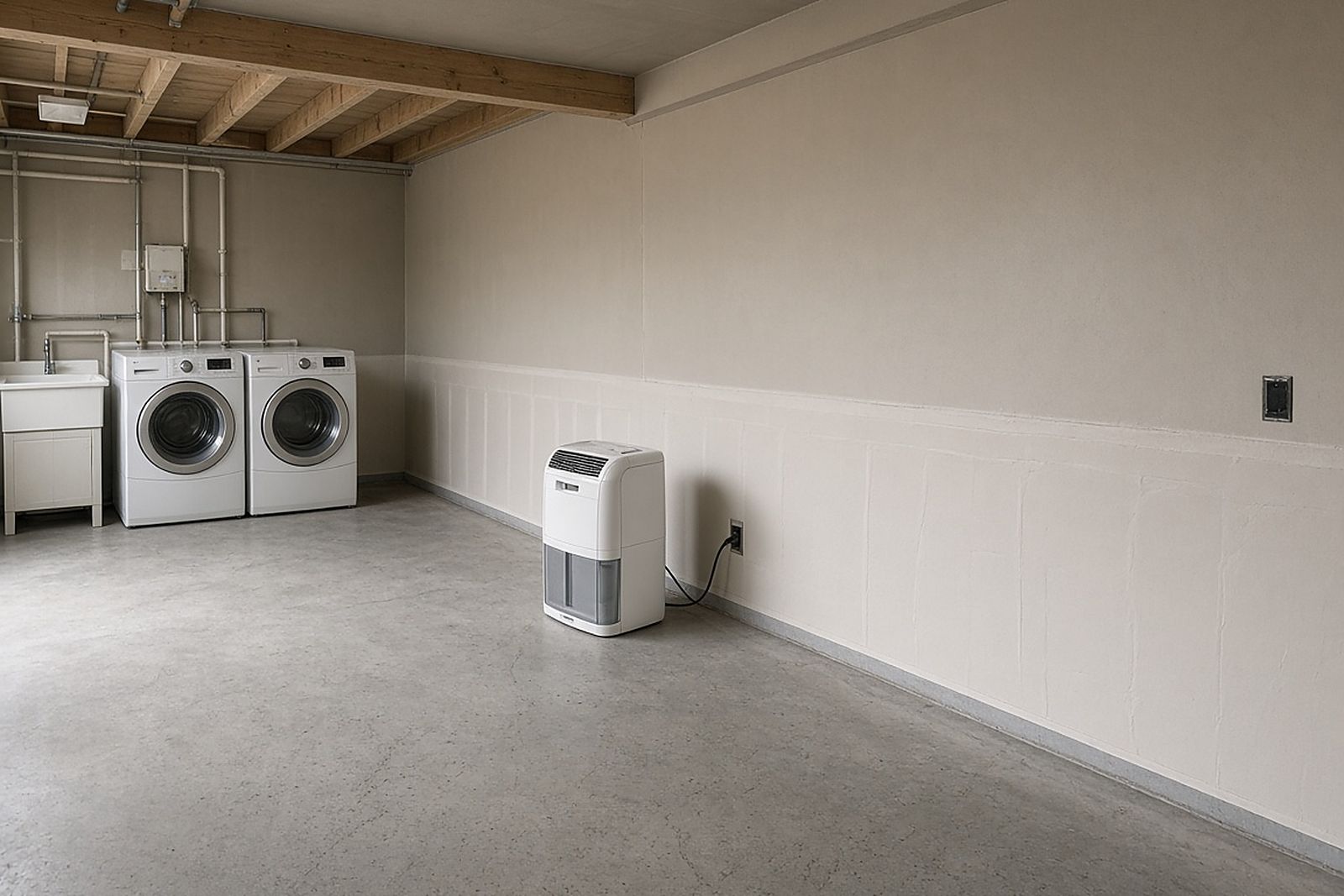
What to do in each case
Different sources raise different questions for the cleanup scope.
| What happened | Main question for the work plan | When to step it up |
|---|---|---|
| A single spot of feces on a whole, hard surface | Can the bulk be removed and the surface cleaned and disinfected as the label directs? | Unknown material, sharps, blood, a damaged finish, or someone at higher risk |
| Toilet overflow that stayed in the bathroom | Did liquid reach seams, the bottom of walls, cabinets, or nearby rooms? | Ongoing backup, soaked soft materials, or liquid reaching the floor below |
| Sewer backup in the building | Has the source stopped, and how far did the dirty water spread? | Active plumbing failure, wide damage to soft materials, or electrical or structural concerns |
| Blood mixed with feces, urine, or vomit | Do the rules for blood and other body fluids that can carry disease, including regulated waste, apply to workers? | Exposure on the job, sharps, or fluids that cannot be told apart |
| Old dried material or repeated deposits | Can dust and hidden sources be controlled without spreading them? | Dust in the air, pests, cavities that cannot be reached, or a source that keeps coming back |
Checklist
- 1Identify the material, source, amount, and time.
- 2Stop the plumbing, sewer, or occupant source, or assign it to someone.
- 3Keep people out and map where feet carried material.
- 4Check seams, lower levels, cavities, and soft materials.
- 5Match protective gear and work steps to the exposure review.
- 6Remove bulk material before cleaning and disinfecting.
- 7Use an EPA-registered product only as its label allows.
- 8Record clean-or-remove decisions for each material.
- 9Sort waste and wastewater using local rules.
- 10Finish with the source, dryness, where materials went, checks, and exclusions written down.
Common questions
Is feces automatically regulated medical waste?
No single rule makes everything with feces on it regulated medical waste. It depends on the material and whether there is visible blood or another body fluid that can carry disease. The work setting, worker exposure, your state and local rules, and where the waste goes matter too. OSHA's bloodborne germ rules cover workers exposed on the job to blood and the fluids the rule defines. OSHA's worker safety page treats feces and urine as different from those fluids and notes wider standard precautions in health care. Identify each waste type, confirm packaging, hauling and disposal rules with the responsible authority or facility, and do not go by bag color.
Can carpet be cleaned after a toilet overflow or sewage backup?
It depends on the source, how long it sat, how soaked it got, and how the carpet is built. Damage to the pad and subfloor, risk to the people living there, and whether cleaning can reach every layer matter too. Surface extraction does not prove the pad or seams are clean. A small clean-water overflow is different from water with sewage in it, but you must first confirm which it was. Your work plan should record edge checks, material condition, method, drying, and how success will be judged. If dirty liquid reached the pad or hidden layers, removal may give you a clearer finish line than repeated surface cleaning.
Should bleach always be used?
No. The product you choose must be safe for the surface and used as its current label says. That includes mixing strength, contact time, safety steps, air flow and rinsing. Cleaning to remove bulk dirt comes first. Mixing bleach with acids, ammonia or other chemicals can be very dangerous. EPA registration does not mean a product is right for every germ, material or setting. Ask the company for the product name, registration details, intended use, and the method the label calls for. Have them explain how wastewater and residue will be handled too.
Does a quick swab test for residue prove a surface is free of germs from feces?
No. A quick swab test shows leftover organic residue, and it does not detect germs. It can help you compare how clean chosen surfaces are. But it does not identify a certain germ, show whether sewage reached a wall cavity, check for chemical contamination, or give a single clearance number. If the swab test is used, set the locations and how results will be compared. Note the device's limits and decide what each result will trigger. Pair it with other proof: stopping the source, records of what happened to materials, cleaning records, inspection, moisture or drying data, and any targeted testing the situation calls for.
What should the final cleanup record include?
Your record should describe the source and whether it is fixed. Add a map of the affected area, photos, and how access was controlled. It should record what was removed or kept, list the cleaning and disinfectant products with their label directions, and note what was seen in soft materials and cavities. Add waste and wastewater records, drying data, proof the work was checked, open problems and rebuilding needs. Keep decisions about blood and other body fluids that can carry disease apart from feces-only or sewage decisions. Do not accept a promise that the area is sterile or that odor is gone for good.
Can an occupant clean up a small, isolated accident on a hard floor?
Often, yes, if it's a small amount on an intact, sealed surface and there's no blood, sharps, or spread into seams. Wear disposable gloves, remove the bulk material first, clean the surface, and then disinfect with a product used exactly as its label directs. Keep children and pets away, and wash your hands afterward. If the material reached carpet, cracks, or cavities, or keeps happening, get a qualified assessment.
When should a plumber be involved?
Call a plumber whenever the source could be a toilet, drain, sewer line, or backflow problem, and before cleanup finishes. Cleaning up without fixing the source invites the problem to come back. The plumber should confirm the cause and repair, and the cleanup record should note when the source was controlled. In shared buildings, the property manager should coordinate the plumbing work, not individual occupants.
Sources
These official sources back up the safety and process points above. Use them when you talk with your local office or a cleanup company.
Use this guide with the planning tools
Open the insurance claim organizer to keep the paperwork orderly from the first call to the carrier decision. When you are ready to compare providers, the vetting checklist turns the questions in this guide into a list you can send.
Related articles
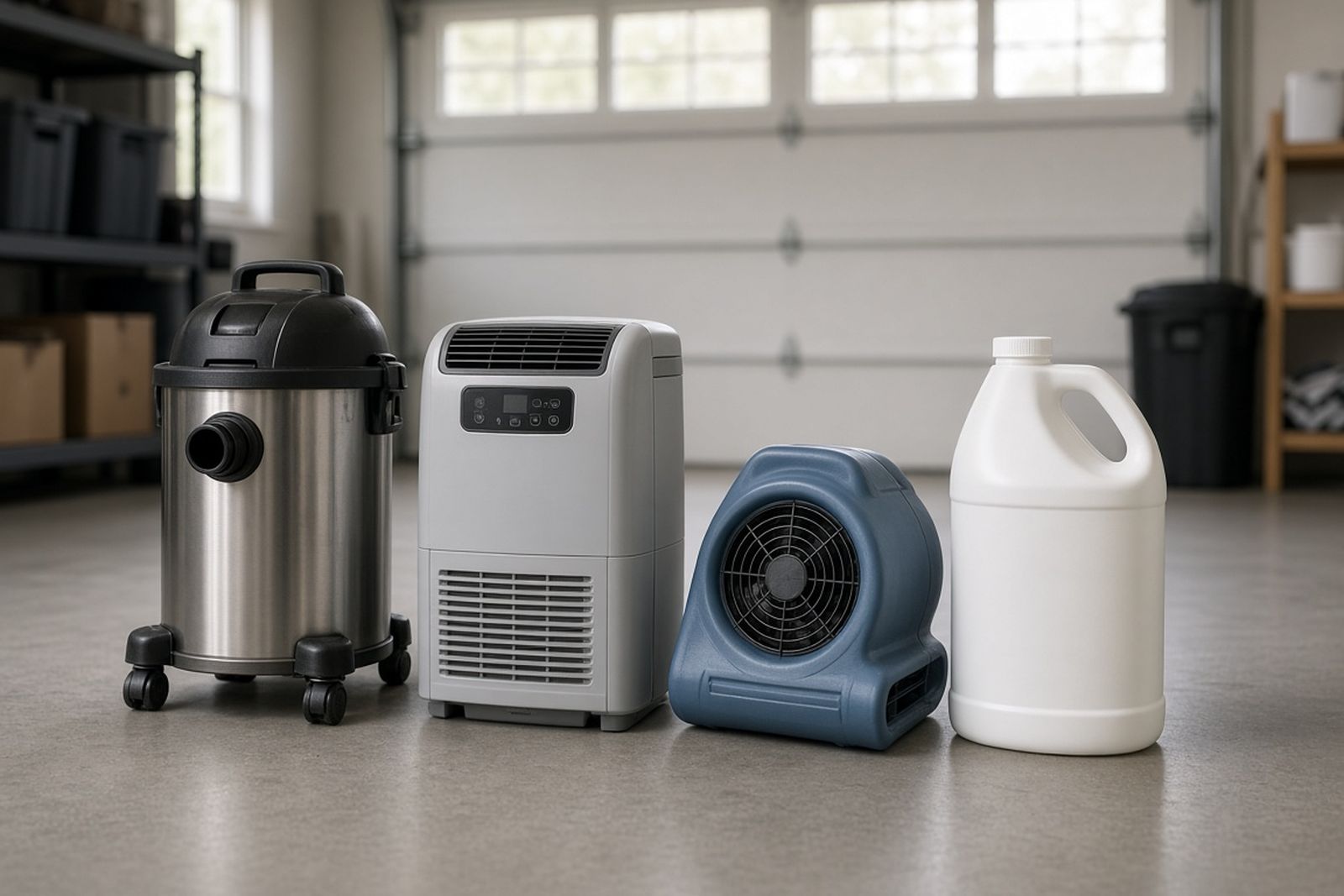 DIY vs Professional Feces & Bodily Fluid Cleanup: The Critical DifferencesYou can often clean up a small, fresh mess on a hard surface yourself. Wear gloves and eye protection, use a registered disinfectant, and keep it wet for the full time on the label. Call a professional for sewage backups, strong sewage or ammonia smells, long-term urine buildup, tight spaces, or waste soaked into carpet, drywall, or the floor beneath. Call too if someone at home is medically fragile. The key differences are protection, removal, drying, and checking the result.
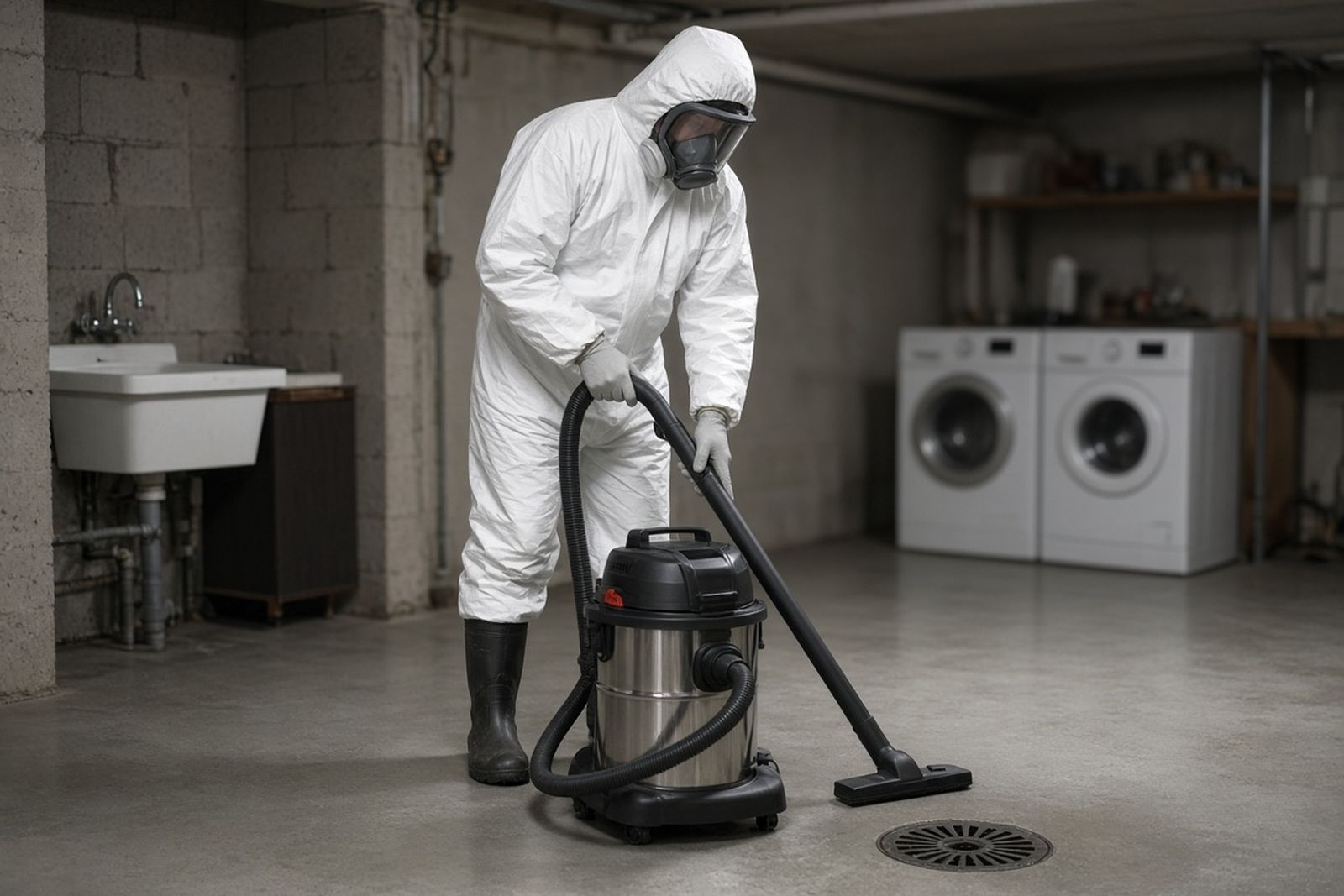 10 Feces & Bodily Fluid Cleanup Safety Risks to Assess Before Work BeginsBefore cleanup begins, check for ten risks. They are germs reaching your mouth from your hands, splashes to your eyes, sewer gas in closed spaces, and ammonia from old urine. They are also mixed chemicals, electrical danger after water gets in, weak floors and ceilings, hidden sharp objects, mold, and spreading the mess through your home. Finding them first shapes your protective gear, your airflow, and whether you call a professional.How to Research Waste Rules for Feces & Bodily Fluid CleanupList each kind of waste your cleanup will create. Then check the rule for each one. Pumped-out sewage water generally belongs in the sanitary sewer or with a septic professional, never in a storm drain. Soaked building materials and belongings usually go to a landfill as solid waste, under your hauler's rules and local rules. Needles and other sharp items need containers that cannot be punctured. Care facilities may face state medical waste rules.
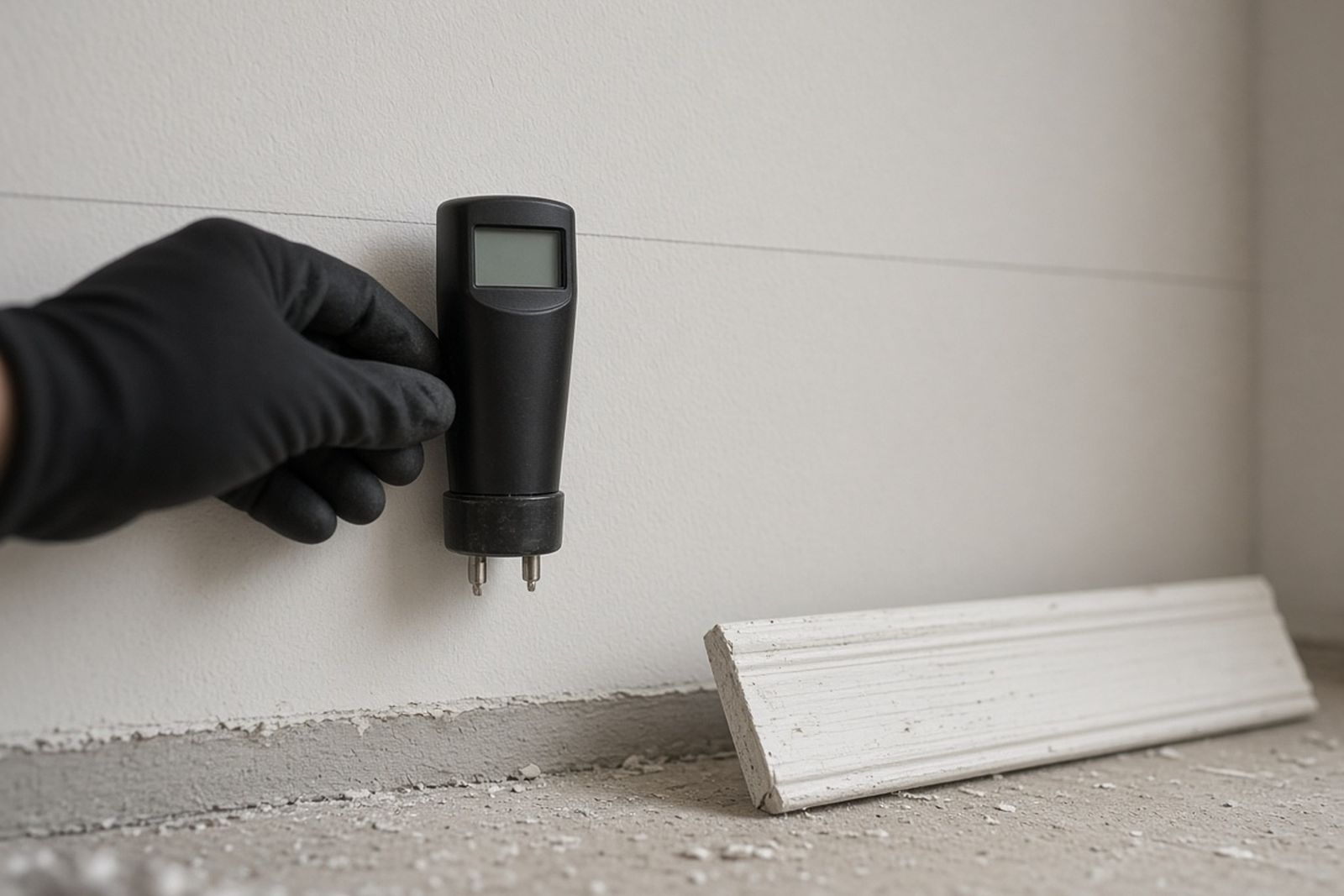 The Difference Between Cleaning and Disinfection in Feces & Bodily Fluid CleanupCleaning removes feces, urine, and the film they leave behind. Disinfecting uses a registered chemical to kill the germs that remain. With human waste you need both, in that order, because the waste blocks the disinfectant from reaching the germs. Soft materials that soaked up waste usually cannot be cleaned or disinfected reliably, so they are removed. Drying and odor control come after.When ATP Testing Helps—and When It Does Not—in Feces & Bodily Fluid CleanupThis quick swab test measures leftover organic residue on a surface. It is a useful check that feces, urine, or sewage residue was truly removed from hard surfaces. It does not name specific germs. It does not work well on soft or wet materials, and some disinfectants can throw it off. Use it as one piece of your final checks, along with a visual inspection, smell checks, and moisture readings.