Short answer
You can often handle small, fresh messes on hard surfaces yourself with gloves, eye protection, a registered disinfectant, and the full label contact time. Professional cleanup is the safer choice for sewage backups, contamination that soaked into carpet, drywall, or subfloor, long-term urine buildup, strong sewage or ammonia odors, confined spaces, or homes with medically vulnerable people. The key differences are protection, removal, drying, and verification.
When is it reasonable to clean up bodily fluids yourself?
Many human waste incidents are small and contained. A child vomits on a kitchen floor. A toilet overflows onto sealed tile and is caught right away. A family member with a stomach bug has an accident in the bathroom. In those cases, careful cleanup by a household member is often reasonable.
The conditions that make DIY sensible are simple: the spill is fresh, the area is small, the surfaces are nonporous, you have the right supplies, and no one doing the cleaning is at high risk of complications from infection.
Even a small job deserves care. Wear disposable gloves and eye protection, ventilate the room, remove bulk material with paper towels or disposable tools, wash with detergent and water, then apply a disinfectant registered against the organisms you are worried about. Keep the surface wet for the label's full contact time, then bag everything and wash your hands thoroughly.
Launder any fabrics that were touched, such as bath mats and towels, on the hottest setting the fabric allows, and clean the handles of anything you touched with dirty gloves.
Signs it is time to call a professional
Some situations push beyond what household tools and experience can handle safely. Watch for these signals.
Trust your senses as well. If a smell makes your eyes water, if you feel lightheaded in a basement, or if you simply feel overwhelmed by what you are looking at, those are good reasons to step back and call for help. There is no prize for finishing a hazardous job alone.
- Sewage from a drain, toilet, or sewer line covering more than a small area
- Waste that has soaked into carpet, pad, drywall, subfloor, or furniture
- Long-term urine contamination with strong ammonia odor or visible staining
- Contamination in a crawlspace, basement, or other poorly ventilated space
- Anyone in the home who is pregnant, very young, elderly, or immunocompromised
- A known infection such as C. difficile, hepatitis, or norovirus that has spread to several rooms
- Contamination related to a death, a hoarding situation, or a serious illness
- Uncertainty about what the substance is or how far it spread
Protection: household gloves vs a full kit
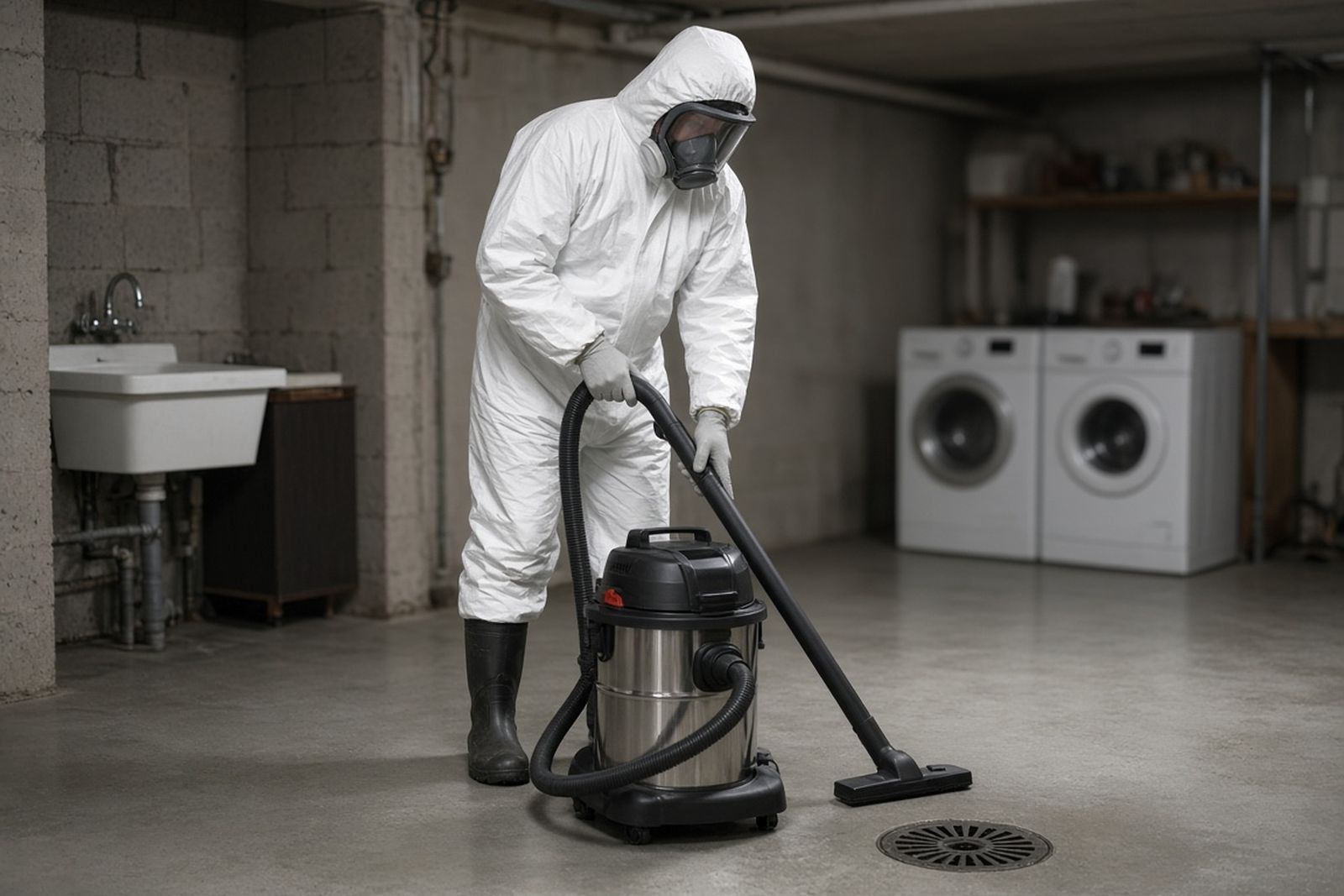
Protective equipment is one of the clearest differences. Household cleanup often relies on dish gloves and a paper mask. Professional crews typically wear disposable coveralls, double gloves, boot covers, eye protection or face shields, and fit-tested respirators when there is a risk of breathing in contaminated particles or gases.
A paper dust mask is not a substitute for a NIOSH-approved respirator that has been properly fitted, and flood and sewage cleanup share many of the same airborne hazards.
Respiratory protection matters most when cutting drywall, pulling carpet, or working in enclosed spaces, because those tasks stir up contaminated dust and droplets.
Professional crews also contain their work area so contamination does not travel through the house on shoes, clothing, and tools. That kind of containment is hard to replicate at home.
Why is removal the step most DIY cleanups get wrong?
When waste soaks into porous materials, surface cleaning is not enough. Carpet pad, drywall, insulation, particleboard, and upholstered furniture hold fluid inside, where disinfectant cannot reach. Those materials often need to be removed.
Homeowners understandably want to save as much as possible. Shampooing a sewage-soaked carpet or spraying disinfectant on stained drywall may look like it worked, but contamination and moisture can remain inside. Odor, mold, and bacterial growth can follow.
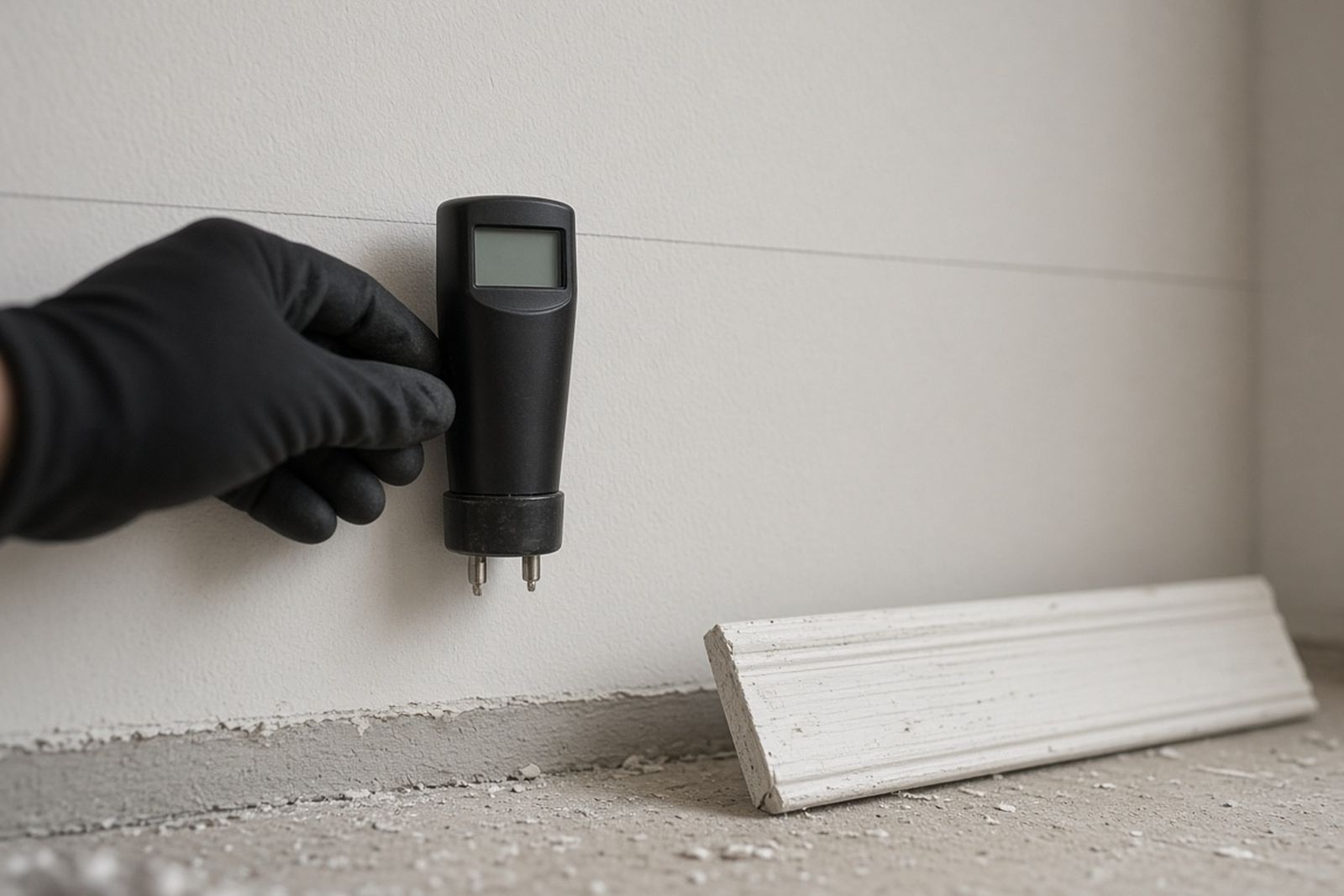
Professionals use moisture meters, UV lights, and experience to decide how far to cut and what to discard. They bag and remove waste in ways that keep it from spreading through the home.
If you are unsure whether a material can be saved, it is worth getting an assessment before you start pulling things apart. Removal done in the wrong order can spread contamination rather than contain it.
Disposal is part of removal. Bagged waste and soaked materials usually go out with household trash in many places, but some areas have specific rules for sewage-contaminated debris or large volumes of material. A professional crew will know local requirements and can haul debris away, while a homeowner may need to call the local waste authority to find out what is allowed at the curb.
Hidden hazards homeowners tend to miss
Gases from decomposing waste are one of the biggest risks in DIY cleanup. Long-standing urine produces ammonia, and sewage produces hydrogen sulfide. Enclosed rooms with heavy urine buildup can become very unpleasant and irritating to the eyes and lungs.
Mixing chemicals is another common problem. Pouring bleach onto urine or combining bleach with ammonia-based cleaners can release harmful gases. Use one product at a time and follow its label.
Electrical hazards are easy to overlook after sewage backups. Water around outlets, extension cords, or appliances can create shock risks. If water reached electrical systems, shut off power to the area and have it checked before you begin.
Injuries are common too. In a 2013 population-based survey of flood-affected residents in El Paso, Collins and colleagues found that 28% reported an injury or acute effect connected with post-flood cleanup.
A composite case: the leaking toilet that came back
This composite case is illustrative rather than drawn from a single job. A homeowner discovers a toilet has been leaking at the base for weeks. The vinyl floor around it is stained, and the bathroom smells faintly of sewage. He pulls up the toilet, scrubs the floor, sprays it with bleach, and reinstalls the toilet with a new wax ring.
A week later, the smell is back and stronger. He notices a soft spot in the floor and a stain on the ceiling of the room below. A professional assessment finds that waste has been soaking into the subfloor and dripping onto the drywall ceiling underneath.
The crew removes the toilet again, cuts out the damaged subfloor and the stained section of ceiling, cleans and disinfects the joists, dries the area, and documents moisture readings. A contractor then replaces the subfloor and ceiling. The homeowner's first cleanup was not wasted effort, but it could not reach the contamination inside the structure.
Had he called for an assessment before reinstalling the toilet, he could have avoided doing that part of the work twice.
Cost, results, and paperwork compared
A quick comparison makes the tradeoffs easier to see.
DIY is usually cheaper and faster to start for small, fresh, surface-level messes. It relies on household supplies, limited protection, and your own judgment about what is clean. It rarely includes moisture testing, containment, or documentation.
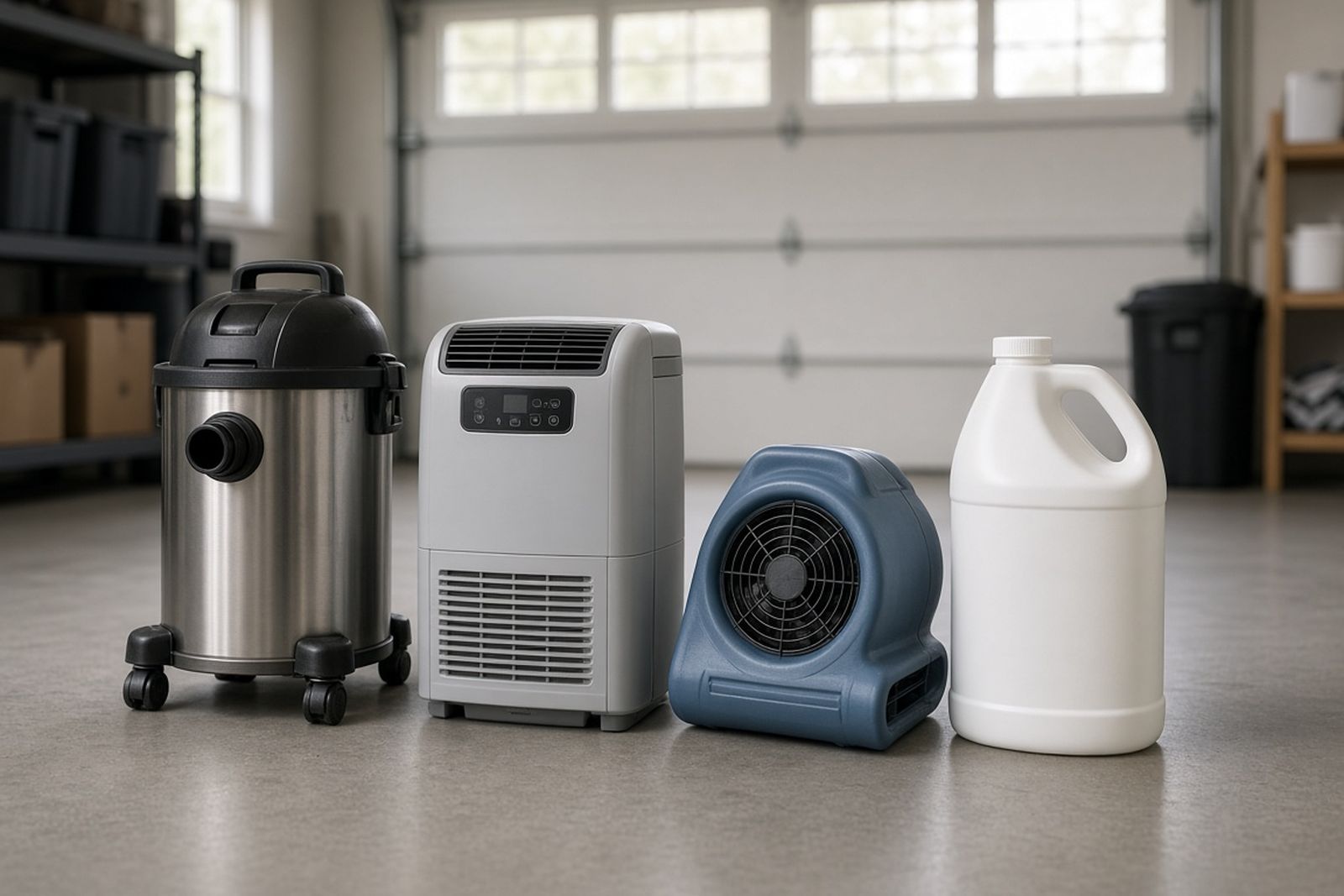
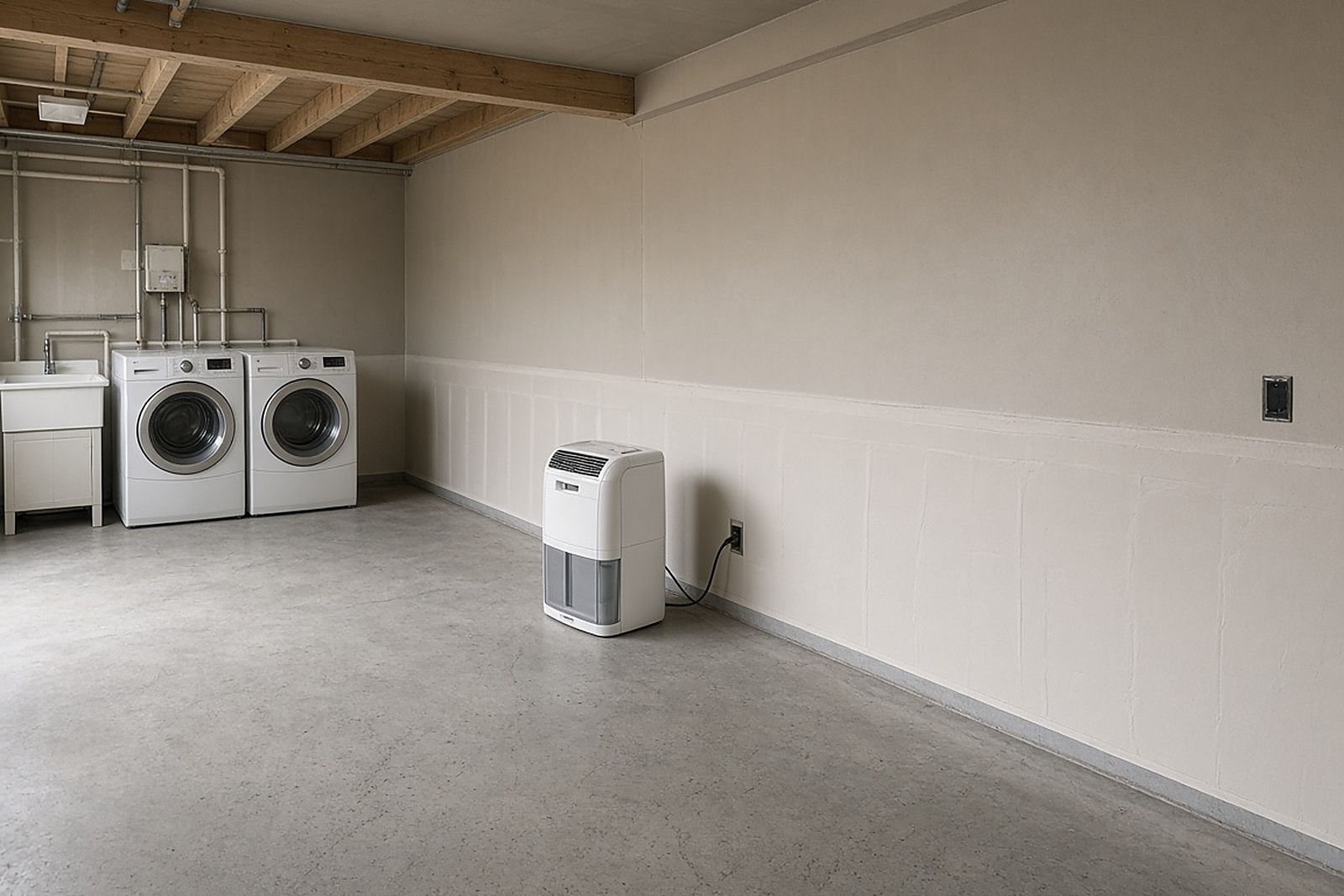
Professional cleanup costs more but brings protective equipment, containment, removal of porous materials, registered disinfectants chosen for the situation, drying equipment, moisture and odor verification, and a written record. That record can matter if you file an insurance claim, sell the home, or need to show a landlord or tenant that the work was done.
The right choice depends on the size of the problem, the materials involved, and who lives in the home. When in doubt, an assessment costs little compared with doing the job twice.
Doing part of the work, and what to do afterward
Many homeowners handle the first steps, such as stopping the water, keeping people and pets away, ventilating, and photographing the damage, then call a professional for removal and disinfection. That approach can save time and help the crew understand the scope.
What you should avoid is partial cleanup that spreads contamination. Dragging wet carpet through the house, running a household vacuum over dried waste, or using fans that blow contaminated air into other rooms can make the job harder.
Emotional strain is a fair consideration too. Cleaning up after a parent's incontinence, a partner's illness, or a death in the home can be painful in ways that have nothing to do with germs. Handing that work to someone else is a reasonable choice.
If you have questions, call a provider and describe what you see. Many will tell you honestly whether a situation is something you can manage.
Wash hands thoroughly with soap and water. Launder or discard clothing worn during cleanup. Watch for symptoms such as vomiting, diarrhea, fever, or breathing problems in anyone who was exposed, and contact a healthcare provider if they appear.
Keep an eye on the area for returning odor, staining, or moisture. Those are signs that contamination remains.
If you rent, tell your landlord in writing what happened and what was cleaned, and if you are unsure how to dispose of soaked materials, your local solid waste agency can tell you what goes out at the curb.