Feces & Bodily Fluid Cleanup planning tools
Work through cost, hiring, insurance, first steps and disposal at your own pace.
The tools on this page are built for the moment you stand in a doorway trying to decide what to do. You may be facing a sewage backup, a unit a tenant left in bad shape, or flooring that has soaked up urine for months. Each tool takes a few facts you can gather yourself and turns them into something clear. It might be a cost range and the reasons behind it, or a list of questions to ask a company. It might be a plan for the next day, or a sense of how risky it would be to do the job alone. They give you solid footing before you make calls. They do not replace an on-site inspection.
Get an email reply about feces & bodily fluid cleanup
Send a short message to the follow-up inbox. A coordinator can reply by email. This form does not send emergency help; call 911 first if anyone is in danger.
Choose a tool
Every tool runs in your browser. Nothing you enter is stored on our servers, and no tool replaces an on-site assessment, a written scope or your insurer's decision.

Cost Range Estimator
Set the affected area, surface types, severity and extras to see an educational cost range and the factors that move it.
Open tool
Provider Vetting Checklist
Fifteen questions to ask any remediation provider, a readiness score, and a copyable list of what is still unanswered.
Open tool
Insurance Claim Organizer
A guided checklist from finding the policy to tracking the carrier decision, with a printable summary of where the claim stands.
Open tool
First 24 Hours Planner
Tell the planner a few facts about the situation and get an ordered list of who to call, what not to touch, and what to photograph.
Open tool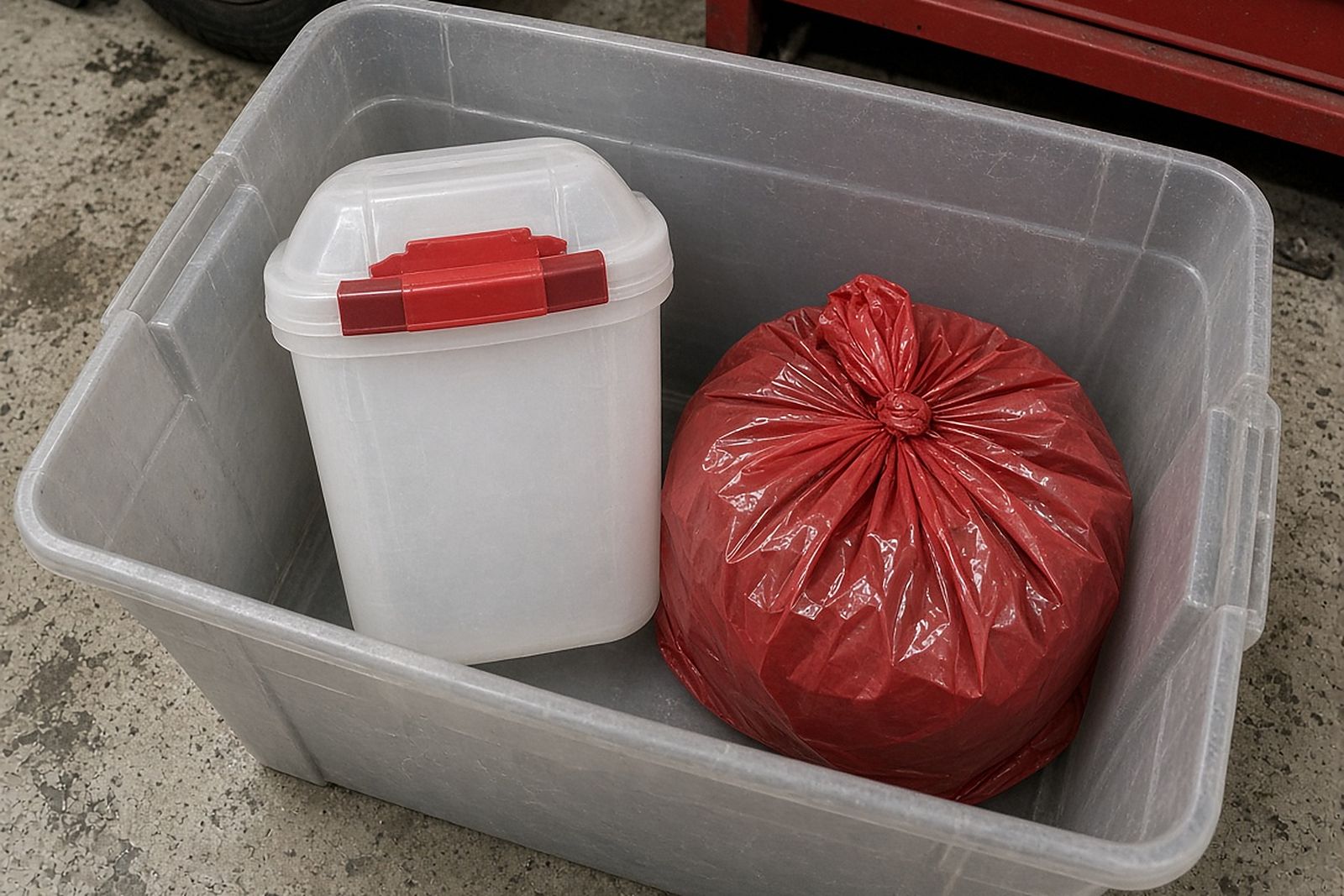
Waste & Disposal Classifier
Five questions about the material point to the likely waste category and which authority to confirm the rules with.
Open tool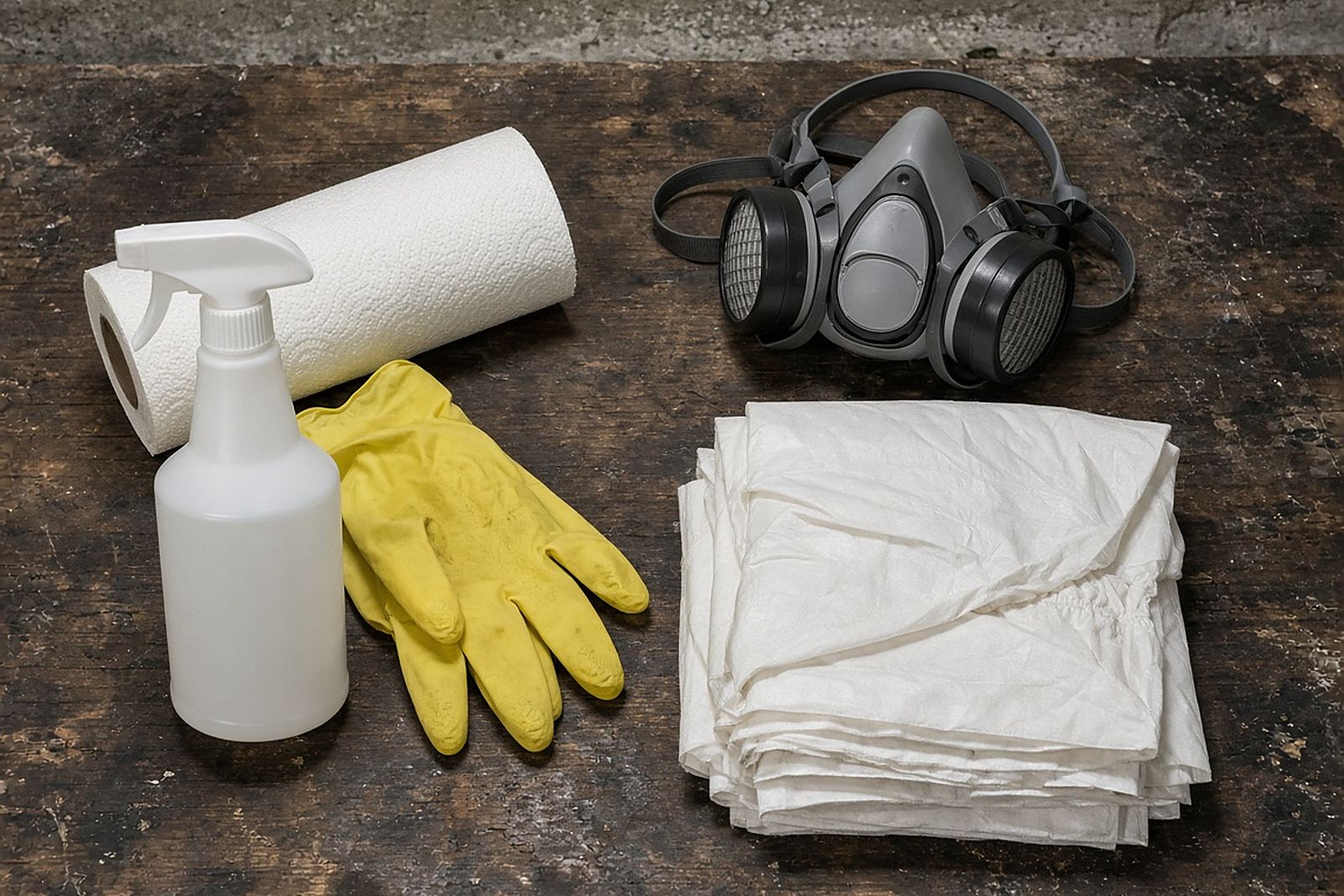
DIY or Call a Pro? Risk Check
Eight yes-or-no questions that produce a risk level and explain when professional help is the safer choice.
Open toolKnowledge quiz
A knowledge check with explanations and a study guide covering hazards, containment, disinfection, waste and documentation.
Take the quizHow these tools fit feces & bodily fluid cleanup
Use them in whatever order fits your situation. If nobody has gone into the affected rooms yet, start with the first-hours planner and the DIY risk check. If a company is already coming, the vetting checklist and cost estimator will help you judge what they say. The insurance organizer is for anyone whose loss might be covered. This is especially true for sewage events that depend on policy add-ons. The waste guide is for landlords and owners who are tempted to put soaked carpet on the curb. It helps them see why that can be a problem and who to ask. Every tool keeps your answers in your browser instead of sending them anywhere.
The limits matter. None of these tools can see your property, test moisture, or read your policy. The cost estimator gives a learning range, not a quote. The waste guide names a likely category and the agency to check with, because rules vary by state and county. The DIY risk check looks at general risk factors. It cannot account for a household member's health conditions, which is a talk for a doctor. Treat every result as a draft you bring to a company, an adjuster, or a local official. Expect them to adjust it with facts the tools could not know.
Feces & Bodily Fluid Cleanup numbers worth knowing before you plan
Sewage backups, waste buildup, and fluid-soaked floors are easy to underestimate when you look at one room. The section below puts the problem in context with sourced numbers. They show how often these events happen and what they tend to cost. They also cover the health risks from gut germs, which are germs that spread through contact with feces. Knowing the general size of the problem helps you judge whether a quote is fair. It helps you decide whether a landlord or tenant dispute is worth pushing. It also helps you decide how fast to move your household out of the affected space. Read each number as background for a talk with a company, not a forecast for your home. Local rules, materials, and moisture all change the picture.
- 20%
20% of resident cleaners reported never wearing a mask.
Read with care: 31% response; self-report; mask terminology broad; Katrina comparison involved different samples.
Source: Foreman et al. (2024)238 residents and 68 mold-remediation workers near New Orleans; mostly recruited outside home-improvement stores.
- 8
Products above pH 8 accounted for 74% of failures in the experiment.
Read with care: Accelerated test conditions; not a failure rate for installed equipment.
Source: Jennings et al. (2024)Eight wipe formulations tested on healthcare plastics under fixed strain for seven days.
- 59%
Among previously symptom-free respondents, 59% reported new nasal congestion and 53% new coughing attacks after Harvey.
Read with care: Self-selected follow-up; no untreated comparison; perceived instruction quality is not proof of protection.
Source: Li et al. (2020)83 analysed follow-up participants from a Houston PPE-and-training outreach programme after Harvey.
- 81%
81% reported bleach use on high-touch surfaces in contact-isolation rooms.
Read with care: 47 of 273 contacted participated; practices were reported rather than observed.
Source: Han et al. (2021)47 US hospital environmental-services respondents across 26 states; 2019 survey.
These figures are public research and agency data, not this network's own job records. Keep each number with its population, year and limits; none of them predicts cost, timing or outcome at a specific property.
What other visitors decided
Every count is a real visitor vote; nothing is seeded or padded. One vote per poll per device, and you can change your answer.
When you discovered a sewage backup or waste problem at home, what did you do first?
How did you decide whether soaked carpet could be saved?
Questions about the feces & bodily fluid cleanup tools
Do the tools work on a phone?
Yes. They were built for phone screens first, since most people use them while standing in the affected room or sitting in a car outside a rental. Checklists can be copied to a notes app, and summaries can be printed or saved from the share menu. Nothing requires an account or a download.
Are my answers saved anywhere?
Your answers stay on your device. Some tools remember your progress in the browser so you can come back after a phone call. But nothing is sent to the network or to any company unless you choose to copy it into a message yourself. Clearing your browser data removes everything the tools saved.
Which tool should a landlord start with?
For a unit found in bad shape at move-out, start with the first-hours planner. It helps you lock down records before anything is touched. Then use the waste guide before you remove debris. The cost estimator and vetting checklist come next, when you are ready to bring in a company. The insurance organizer applies if the cause might be a covered loss.
Can I use the cost estimator to bargain with a company?
You can use it to see why a quote is high or low. You can ask about certain cost drivers, such as removing soft materials or after-hours work. It is not a benchmark that binds anyone. A company that has inspected the subfloor knows things the estimator does not. So use it to ask better questions, not to argue about a number.
Do the tools account for my state's rules?
No. Landlord-tenant law, waste handling, and building rules vary by state and county. The tools point out where that matters instead of guessing. Each result names the type of agency to check with, such as a county solid waste office or a local housing agency. Check before you act on anything that depends on local rules.
Is there a tool for repeat accidents in a caregiving home?
The DIY risk check and the first-hours planner both include prompts for ongoing situations, not just one-time events. One example is repeated incontinence that reaches furniture. They help you decide when the buildup has gone past what household methods can handle. For hygiene routines and health questions, talk with the care team. The tools do not give medical advice.
What if the tools give conflicting guidance?
That usually means your situation sits on a line between two cases. For example, there may be a small amount of waste, but on a soft floor in a home with a baby. When that happens, go with the more careful result. Use the vetting checklist to ask a company how they would handle that exact mix. Conflicts are a sign to gather more facts, not a flaw.
More on feces & bodily fluid cleanup
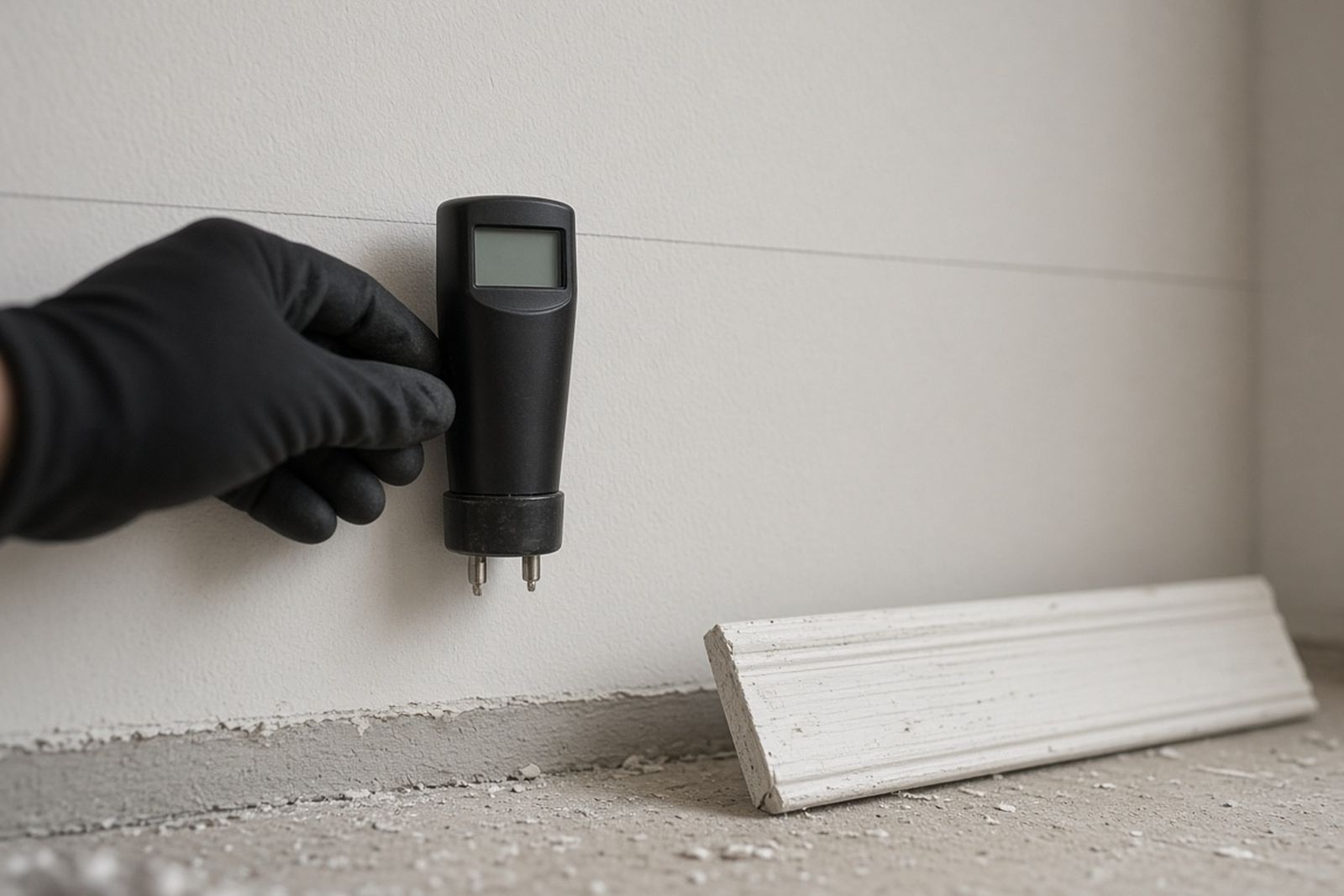
Feces & Bodily Fluid Cleanup services
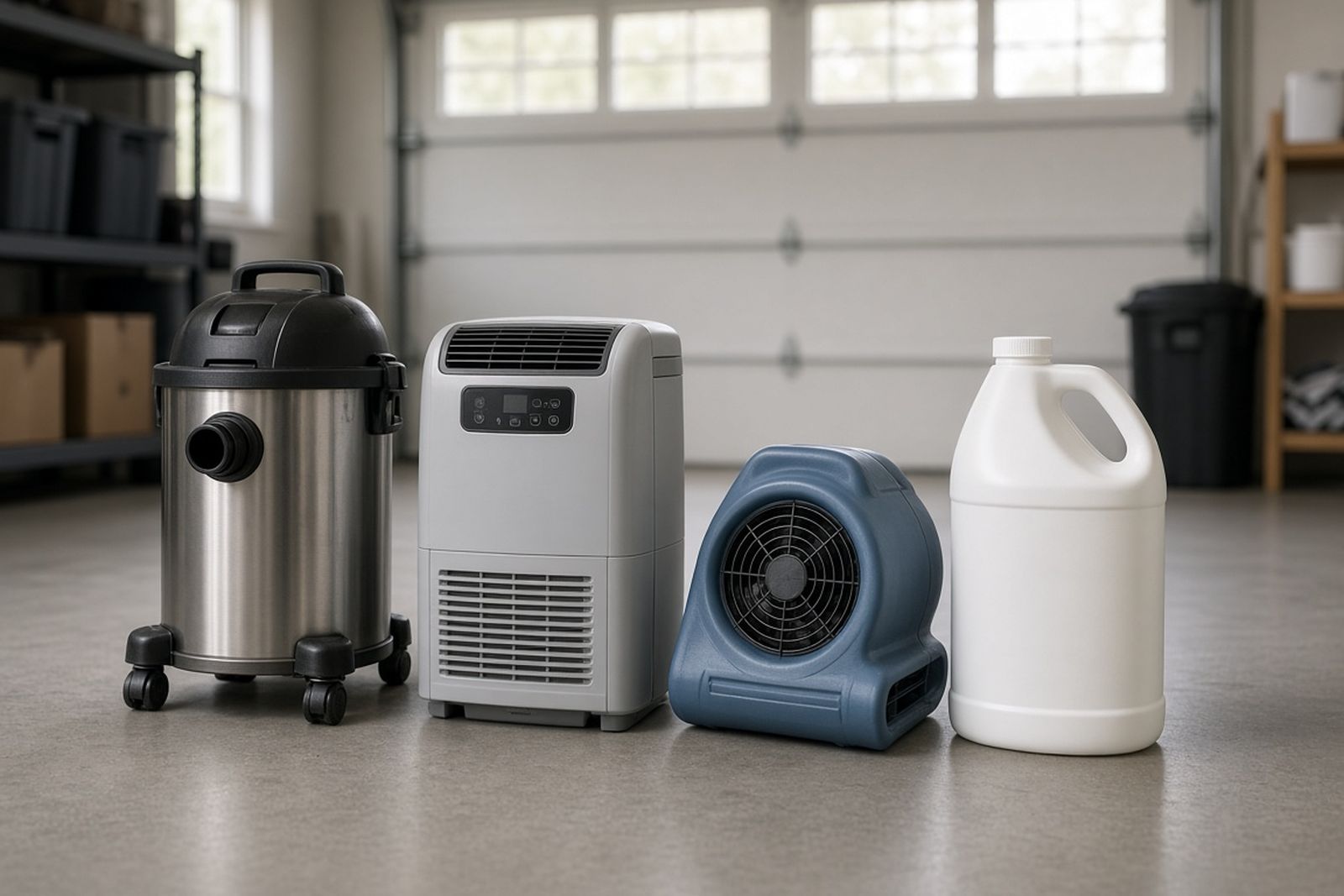
See how pro cleanup of sewage, waste, and soaked materials really works in homes and rentals. Learn about moisture checks, removing materials, and records.
Costs explained
What drives the price, published cost ranges, and how to read a written quote line by line.
Insurance and payment
Which policies may respond, how to document a claim, and what to do if coverage is denied.
Community polls
See how other homeowners, landlords, and caregivers handled sewage backups and waste messes. Compare their choices with the one in front of you.
Knowledge quiz
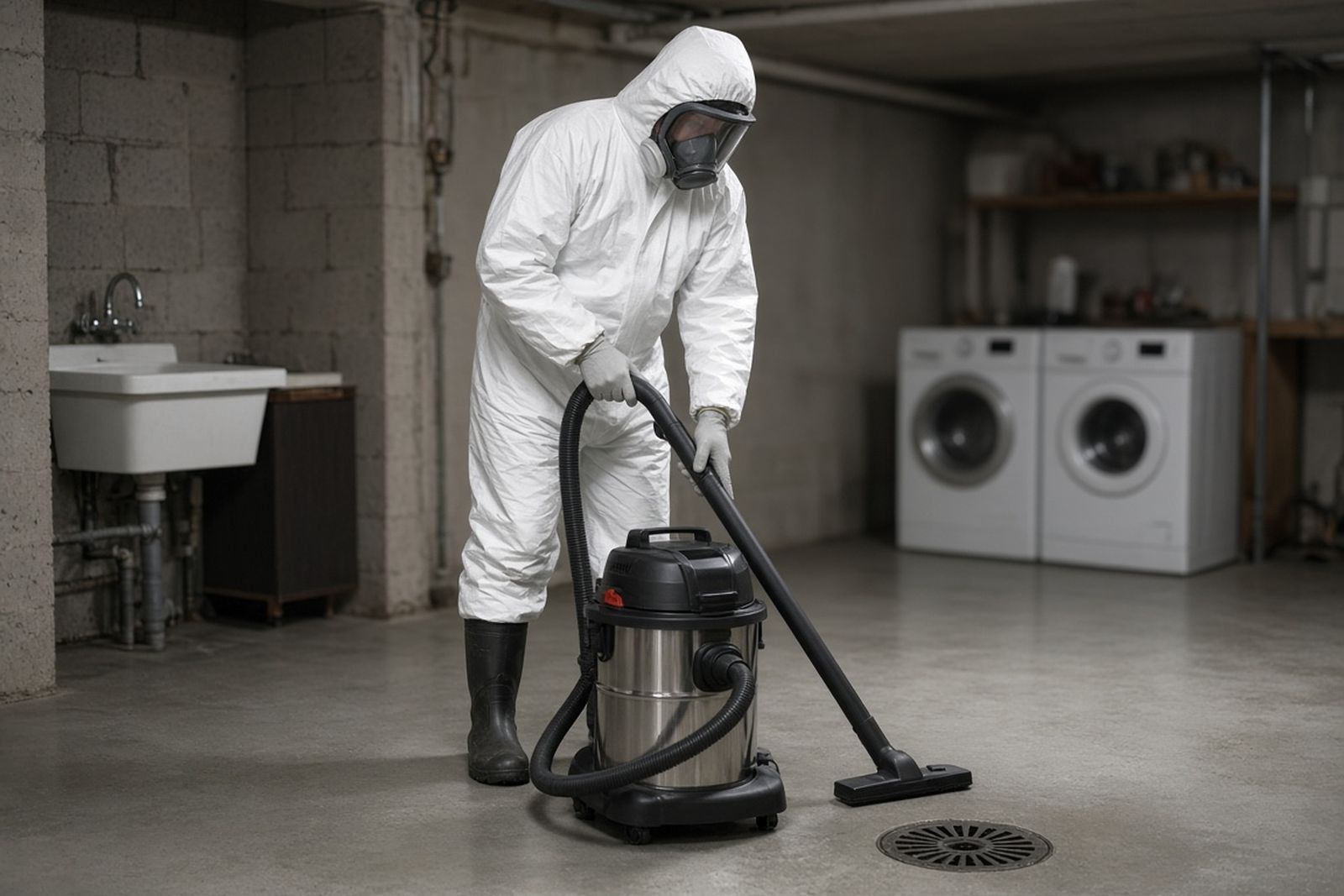
Test what you know before you call a company or start cleanup. Learn to spot hazards, keep a mess in one place, clean in the right order, and deal with waste.
Articles and resources
Read practical articles on rental move-outs, pet urine soaked into floors, accidents in elder care, and sewage claims. They are written for people facing these problems for the first time.
Field guides
Step-by-step guides walk through common home situations. They explain what to expect, what to record, and which choices depend on local rules.