Free feces & bodily fluid cleanup tool
Feces & Bodily Fluid Cleanup Cost Range Estimator
Set the affected area, surface types, severity and extras to see an educational cost range and the factors that move it.
It is hard to guess what a sewage backup or waste buildup will cost to clean up. That is because so much of the work is hidden under flooring and behind trim. This estimator asks for things you can measure or see. How much floor area is affected? Are the surfaces hard, mixed, or mostly soft, like carpet and pad? How bad and how old is the mess? Do extras apply, such as after-hours service, several rooms, odor treatment, or removing parts of the building? It gives back a learning range. More useful still, it gives a ranked list of the factors pushing your case toward the low or high end. Take that list to your talk with a company.
The range is not a quote, and you should not quote it back to anyone as one. Real prices depend on inspection findings the tool cannot make. These include moisture readings and whether the subfloor is plywood or concrete. They also include whether the unit below was affected and how local disposal rules treat the debris. What the estimator can do is keep you from being surprised. Your answers may point toward removing soft materials and drying the structure. Then you will see why a bathroom overflow into carpeted halls costs far more than the same amount on tile. It also lists what to ask for in a written quote. That way, the quotes you get can be compared and are clear enough for an insurance file.
How to use it
- 1Estimate the affected floor area by pacing the rooms, and include hallways that fluid crossed.
- 2Choose the surface mix that best matches the floors and lower walls in those rooms.
- 3Set how bad it is based on the amount, whether it is sewage, and how long it sat.
- 4Tick any extras that apply. Then review the cost drivers and the quote checklist before you call anyone.
Prefer to ask a person?
Your request is sent to the follow-up inbox. A coordinator can reply by email. Not for emergencies; call 911 first if anyone is in danger.
Estimate a cost range
Feces & Bodily Fluid Cleanup cost range estimator
Educational only. Real pricing needs an on-site assessment and a written scope. Insurance coverage is decided by your carrier, not by this tool.
Relative cost level: Mid range
No published national reference range met our sourcing standard for this category, so the tool shows a relative level instead of dollars. Ask two or three providers for written, itemized quotes.
Cost level: Mid range.
None of the big cost multipliers are selected. Minimum service charges, travel and waste fees still apply.
Ask every quote to itemize labor, containment, product, waste disposal, verification sampling, and any rebuild, and to state what is excluded.
A worked example
Imagine a made-up duplex. A tenant moved out and left the upstairs toilet overflowing. The neighbor thinks it ran for most of a weekend. Water crossed the bathroom tile, soaked the hall carpet, and stained the ceiling of the unit below. The owner enters the affected area as about the bathroom, the hall, and a bedroom doorway. She picks a mixed surface type because both tile and carpet are involved. She sets severity to high because the source was a toilet and the water sat for days. She ticks several rooms and removal of building materials, since the hall pad and maybe the subfloor will need to come out. She adds odor treatment because the smell has already reached the stairwell. The estimator gives a range near the top of its scale. It lists the top cost drivers: the sewage category, removing soft materials, drying time, and the second unit. Its quote checklist reminds her to ask for moisture readings by room. She should also ask for separate lines for cleaning and replacement, and for how debris will be hauled. Now she understands why her quotes differ. One includes the downstairs ceiling, and another does not.
Numbers behind cost estimator decisions
- $2 billion
Foodborne norovirus illness alone costs the US about $2 billion a year, mainly in lost productivity and healthcare expenses.
Read with care: Excludes person-to-person and environmental transmission costs.
Source: CDC (2024)United States, foodborne cases only
- $50–$250/year
Standard homeowners insurance does not typically cover water or sewer backup; an optional endorsement costs roughly $50 to $250 per year with limits starting around $5,000.
Read with care: Single insurer's general guidance; premiums and limits vary by carrier and state.
Source: The Hanover Insurance Group (2024)US homeowners policies, insurer guidance
- 1 in 60 homes
About 1 in 60 insured homes files a water damage or freezing claim each year, with an average payout of $15,400 and 22.6% of all homeowner claims in 2023.
Read with care: Water damage category includes burst pipes and is not limited to sewage backups.
Source: Insurance Information Institute (2025)US homeowners insurance claims, 2019–2023
- $16,550
OSHA's maximum penalties are $16,550 per serious violation and $165,514 per willful or repeated violation.
Read with care: Amounts adjust annually for inflation.
Source: OSHA (2024)United States federal OSHA, 2024 inflation-adjusted amounts
These figures are public research and agency data, not this network's own job records. Keep each number with its population, year and limits; none of them predicts cost, timing or outcome at a specific property.
Cost Range Estimator questions for feces & bodily fluid cleanup
Why does the estimator ask whether the mess is sewage?
Sewage is treated as the dirtiest type of water. That changes what can be saved. It also changes how much protective gear and sealing off the work needs. After a clean-water leak, soft materials might be dried. After sewage, they are usually removed. That one answer moves the range more than almost any other, so be accurate about the source.
Does the range include plumbing repair?
No. Fixing the drain, toilet, or sewer line is separate work done by a plumber. It usually needs to happen before or during cleanup, so the source stops. The estimator covers only cleanup, disinfecting, removing materials, drying, and disposal. Keep the plumber's bill with your cleanup records. Insurers often ask how the cause was fixed.
How should I treat the extra for after-hours work?
After-hours service can raise labor costs, but it is not always needed. Say the source is stopped, people can stay out of the affected rooms, and nothing is spreading. Then waiting for an inspection during normal business hours is often fine. Tick the box if you truly need work that same night. If not, leave it off and compare the difference.
What if I do not know the floor area?
Pace it out. An adult step is a good rough unit, and the tool accepts a close guess. Include every room the fluid reached, plus the path it took. Guessing a little high is better than leaving out a hallway. Companies will measure exactly on site, and a wider entry gives a more honest range.
Can I use the output for an insurance claim?
Use it to understand the claim, not to support it. Adjusters rely on a provider's written scope, moisture documentation, and photos. The estimator's list of what to ask for in a quote will help you obtain those documents in a form an adjuster expects. The range itself has no standing with a carrier.
Why might my final invoice fall outside the estimator's range?
The estimator works from the answers you give before anyone has opened the floor or measured moisture. Removal may show fluid under the subfloor, inside a wall, or in a room below. If so, the job grows and so does the cost. The reverse can happen too, when damage turns out smaller. Treat the range as a place to start the talk. Compare it with the company's itemized plan.
Does the estimate cover cleaning or replacing furniture and belongings?
No. The range focuses on the building itself. That means pulling out water, removing soaked building materials, cleaning, disinfecting, drying, and disposal. Belongings are handled separately, whether they are cleaned, washed, or thrown out. These include cloth-covered furniture, rugs, clothing, and stored boxes. Make a list of affected belongings with photos. Ask the company whether it offers work on belongings and how it is priced. Insurers often treat it as its own category.
Related community polls
Every count is a real visitor vote; nothing is seeded or padded. One vote per poll per device, and you can change your answer.
When you discovered a sewage backup or waste problem at home, what did you do first?
How did you decide whether soaked carpet could be saved?
Other feces & bodily fluid cleanup tools
Provider Vetting Checklist
Fifteen questions to ask any remediation provider, a readiness score, and a copyable list of what is still unanswered.
OpenInsurance Claim Organizer
A guided checklist from finding the policy to tracking the carrier decision, with a printable summary of where the claim stands.
OpenFirst 24 Hours Planner
Tell the planner a few facts about the situation and get an ordered list of who to call, what not to touch, and what to photograph.
OpenWaste & Disposal Classifier
Five questions about the material point to the likely waste category and which authority to confirm the rules with.
OpenDIY or Call a Pro? Risk Check
Eight yes-or-no questions that produce a risk level and explain when professional help is the safer choice.
OpenMore on feces & bodily fluid cleanup
Feces & Bodily Fluid Cleanup services
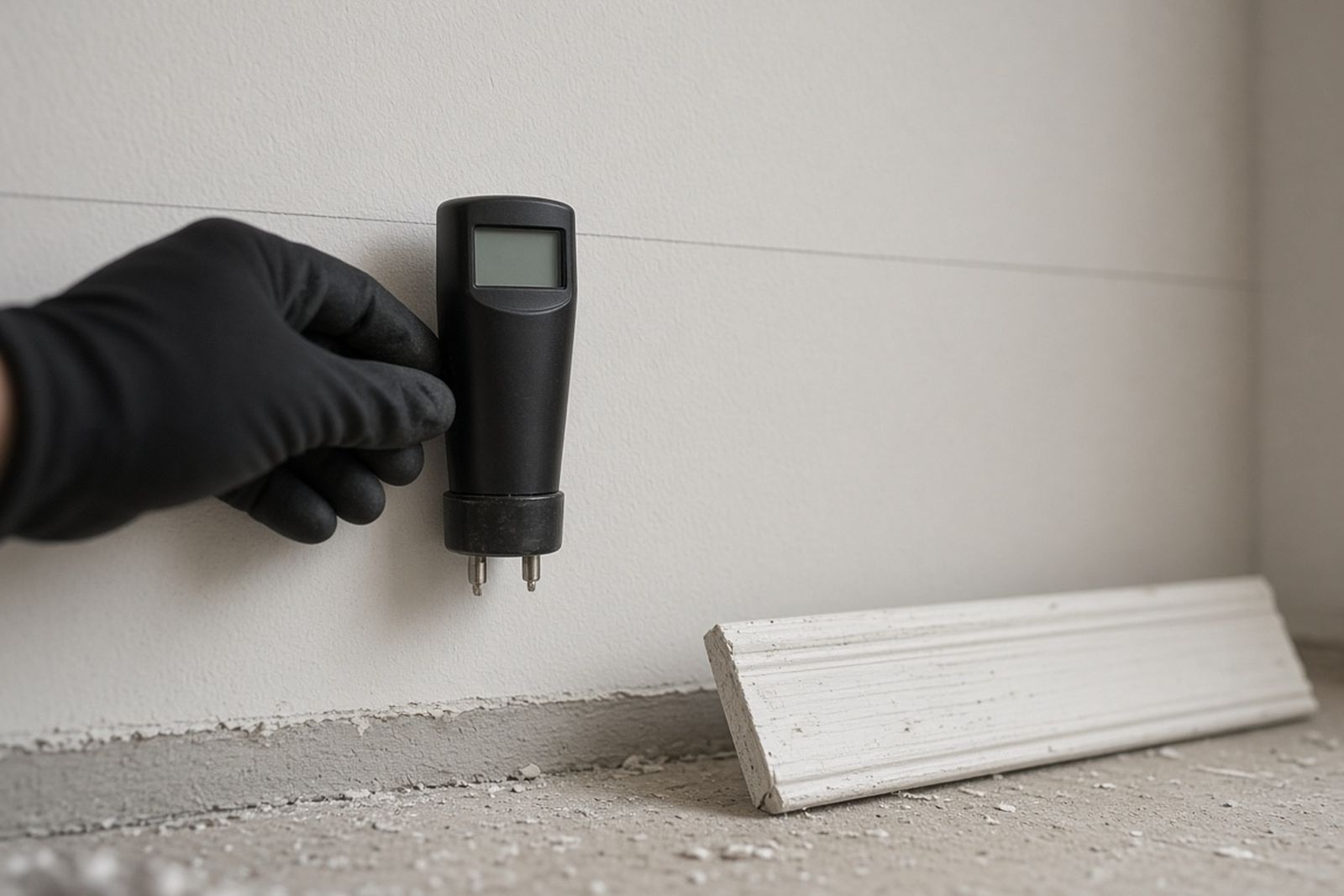
See how pro cleanup of sewage, waste, and soaked materials really works in homes and rentals. Learn about moisture checks, removing materials, and records.
Costs explained
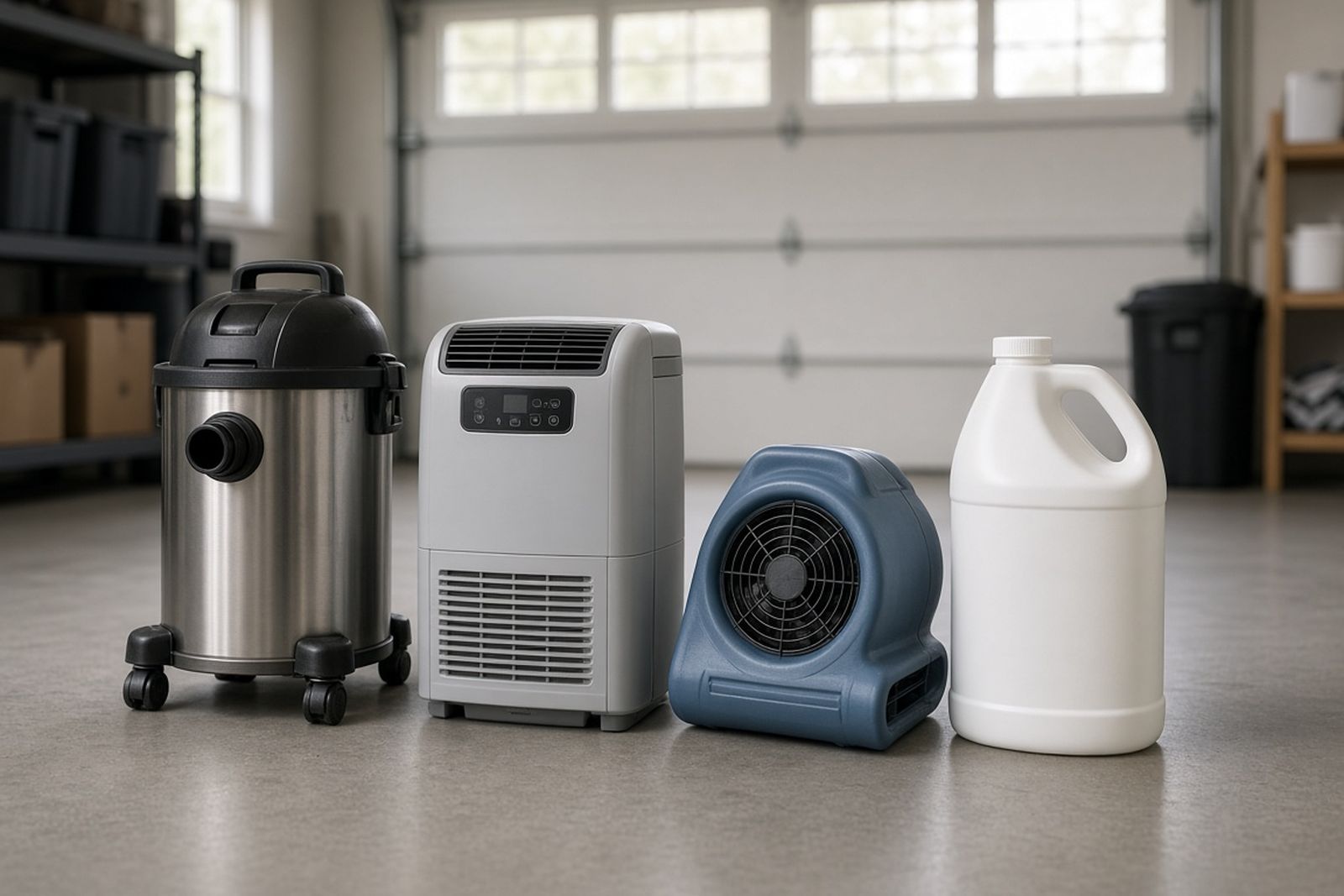
What drives the price, published cost ranges, and how to read a written quote line by line.
Insurance and payment
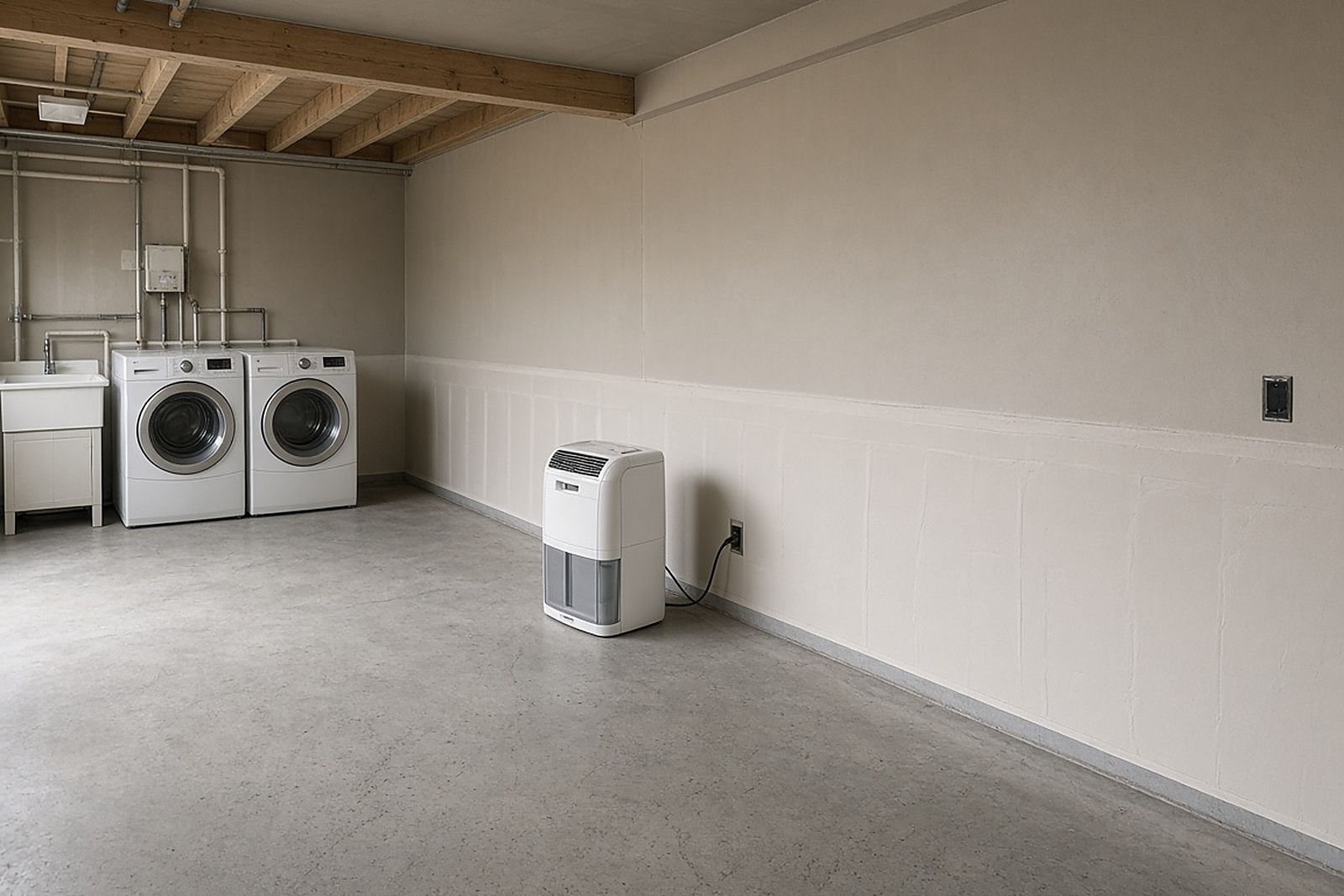
Which policies may respond, how to document a claim, and what to do if coverage is denied.
Community polls
See how other homeowners, landlords, and caregivers handled sewage backups and waste messes. Compare their choices with the one in front of you.
Knowledge quiz
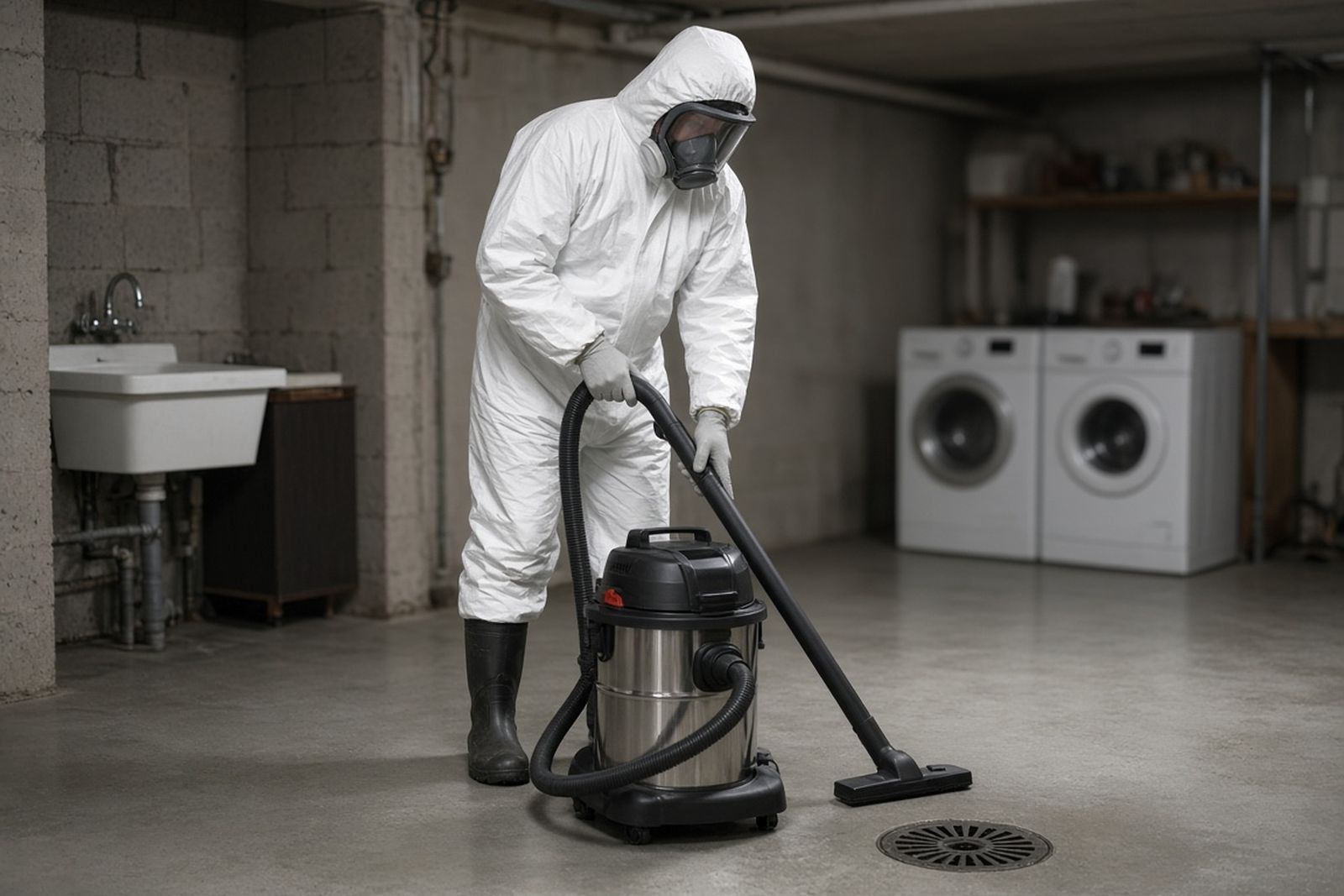
Test what you know before you call a company or start cleanup. Learn to spot hazards, keep a mess in one place, clean in the right order, and deal with waste.
Articles and resources
Read practical articles on rental move-outs, pet urine soaked into floors, accidents in elder care, and sewage claims. They are written for people facing these problems for the first time.
Field guides
Step-by-step guides walk through common home situations. They explain what to expect, what to record, and which choices depend on local rules.