Free feces & bodily fluid cleanup tool
Feces & Bodily Fluid Cleanup Insurance Claim Organizer
A guided checklist from finding the policy to tracking the carrier decision, with a printable summary of where the claim stands.
Sewage backups, overflows, and fluid damage sit in a confusing corner of homeowner and landlord insurance. Some events are covered as sudden, accidental leaks. Others need a separate add-on for backup of sewers and drains. Long-term neglect or pet damage is often left out. This organizer walks you through the steps that apply in any case. You find your policy and any add-ons. You name the cause of loss in plain words. You tell the insurer, record the damage, and get a written plan. Then you track the insurer's decision. Each step has a short checklist. Your progress is saved, so you can pick up where you left off.
This tool cannot tell you whether your claim will be paid, and neither can any company. What it can do is keep the file complete and the story consistent. That is where many claims run into trouble. A backup from a blocked house drain and a surge from a city sewer are different causes of loss. Each can affect coverage in a different way. So describing yours correctly from the first call matters. Landlords may also need to keep building damage apart from a tenant's belongings. They should note whether the lease shifts any duties. The printable summary at the end puts what you recorded on one page. You can send it to an agent or adjuster. Or keep it for a small-claims or deposit dispute.
How to use it
- 1Start by finding the policy. Check whether a sewer or drain backup add-on is listed.
- 2Work through each step in order, checking items off as you gather the document or complete the call.
- 3Record dates, claim numbers, and names of everyone you speak to in the notes fields as you go.
- 4Print or save the summary once the insurer decides. Keep it with your cleanup records.
Prefer to ask a person?
Your request is sent to the follow-up inbox. A coordinator can reply by email. Not for emergencies; call 911 first if anyone is in danger.
Organize an insurance claim
Feces & Bodily Fluid Cleanup insurance claim organizer
A checklist to keep the claim orderly. It stores nothing on our servers; copy the summary to your own notes.
0 of 18 steps recorded (0%)
Print or paste the summary into your own records. Coverage is the carrier's decision under the policy; keep every answer in writing.
A worked example
Picture a made-up landlord. On a Sunday, a tenant calls to say the ground-floor bathroom is backing up and the hall carpet is wet. She opens the organizer on her phone. The first step reminds her to find the policy. She finds a sewer and drain backup add-on she forgot she bought. For cause of loss, she notes that the plumber found roots in the pipe to the street, not a city sewer problem. She writes down that wording exactly. She tells the insurer the next morning and logs the claim number and the adjuster's name. The records step prompts her to gather the tenant's photos from that night, her own dated photos from the next day, and the plumber's bill. When the cleanup company sends a plan, she attaches it. She notes that it lists carpet and pad replacement apart from cleaning and drying. Weeks later, the adjuster asks whether the carpet really needed replacing. She can point to the moisture readings and the water category in the plan. The printable summary becomes the cover sheet for her claim file. Later, it helps her talk with the tenant about the tenant's own renter's policy.
Numbers behind claim organizer decisions
- 29
OSHA approves 29 State Plans, 22 covering private and public workers and 7 covering only state and local government employees.
Read with care: State plans must be at least as effective as federal OSHA but may differ in detail.
Source: OSHA (2024)United States states and territories
- 10 working days
Employers must offer the hepatitis B vaccine within 10 working days of assigning an employee to a job with occupational blood exposure.
Read with care: Employees may decline; the vaccine must be at no cost.
Source: OSHA (2024)United States employers with occupationally exposed employees
- every 3 years
Hazmat employees must receive recurrent DOT training at least once every three years.
Read with care: Records must be kept for the prior three years plus 90 days after employment ends.
Source: DOT PHMSA (49 CFR via Cornell LII) (2024)United States, all hazmat employees
- 2,470
OSHA cited Respiratory Protection (1910.134) 2,470 times in fiscal 2024, fourth among all standards.
Read with care: Preliminary count through Sept. 5, 2024.
Source: OSHA (via Safety+Health) (2024)United States federal OSHA citations, FY2024
These figures are public research and agency data, not this network's own job records. Keep each number with its population, year and limits; none of them predicts cost, timing or outcome at a specific property.
Insurance Claim Organizer questions for feces & bodily fluid cleanup
What does cause of loss mean and why is the wording important?
Cause of loss is the insurer's term for what really caused the damage. A drain blocked inside the house, a failed sump pump, a city sewer surge, and slow leaks over months are treated differently under most policies. Describe what the plumber or cleanup company found in neutral, specific words. Use the same wording in every talk and document.
Should I wait for the adjuster before cleanup starts?
Most policies require you to stop more damage from happening. That usually means stopping the source and starting water removal quickly. Photograph everything first. Keep removed materials so the adjuster can inspect them if asked, or at least photograph them before you throw them out. Ask the insurer directly what they need to see. Write down the answer and the date.
Does the organizer also work for a tenant's renter's insurance?
The steps are written from the property owner's side. But a tenant can use them for a renter's claim that covers belongings. Landlords and tenants often each have a claim on the same event. Keep the files separate and share photos freely. Do not make statements about who is at fault until both sides have read their own policies.
What if the claim is denied?
Ask for the denial in writing, with the policy wording it relies on. The organizer's summary shows which records you have. It also helps you see whether the denial rests on a dispute over facts, such as the cause, or on an exclusion. Options after a denial vary. Your state's insurance regulator can explain your right to appeal. This site does not give legal advice.
Is pet urine or long-term neglect ever covered?
Damage that happens slowly and damage caused by animals are often excluded, but policy wording differs. The organizer still helps. You may need the same records for a deposit deduction, a small-claims case, or a disclosure when you sell. Read the exclusions section of your policy. Ask your agent to point to the exact wording before you assume either way.
How should I label photos I add to the organizer?
Give each photo a short label with the room, the location within the room, and the stage, such as before cleanup, during removal, or after drying. Note the date if your phone does not record it. Group photos by room so an adjuster can follow the damage from one space to the next. Wide shots that show the whole room help as much as close-ups of flooring layers.
Can I use the organizer when the backup came from a neighbor's unit or a landlord's pipe?
Yes. The same records help whether you file with your own insurer, the neighbor's insurer, or the building owner's policy. Add a section that notes where the backup started, who you told, and when. Include any response you got. Keep copies of every message. If more than one policy might apply, your agent can explain how the claims work together and which insurer to contact first.
Related community polls
Every count is a real visitor vote; nothing is seeded or padded. One vote per poll per device, and you can change your answer.
When you discovered a sewage backup or waste problem at home, what did you do first?
How did you decide whether soaked carpet could be saved?
Other feces & bodily fluid cleanup tools
Cost Range Estimator
Set the affected area, surface types, severity and extras to see an educational cost range and the factors that move it.
OpenProvider Vetting Checklist
Fifteen questions to ask any remediation provider, a readiness score, and a copyable list of what is still unanswered.
OpenFirst 24 Hours Planner
Tell the planner a few facts about the situation and get an ordered list of who to call, what not to touch, and what to photograph.
OpenWaste & Disposal Classifier
Five questions about the material point to the likely waste category and which authority to confirm the rules with.
OpenDIY or Call a Pro? Risk Check
Eight yes-or-no questions that produce a risk level and explain when professional help is the safer choice.
OpenMore on feces & bodily fluid cleanup
Feces & Bodily Fluid Cleanup services
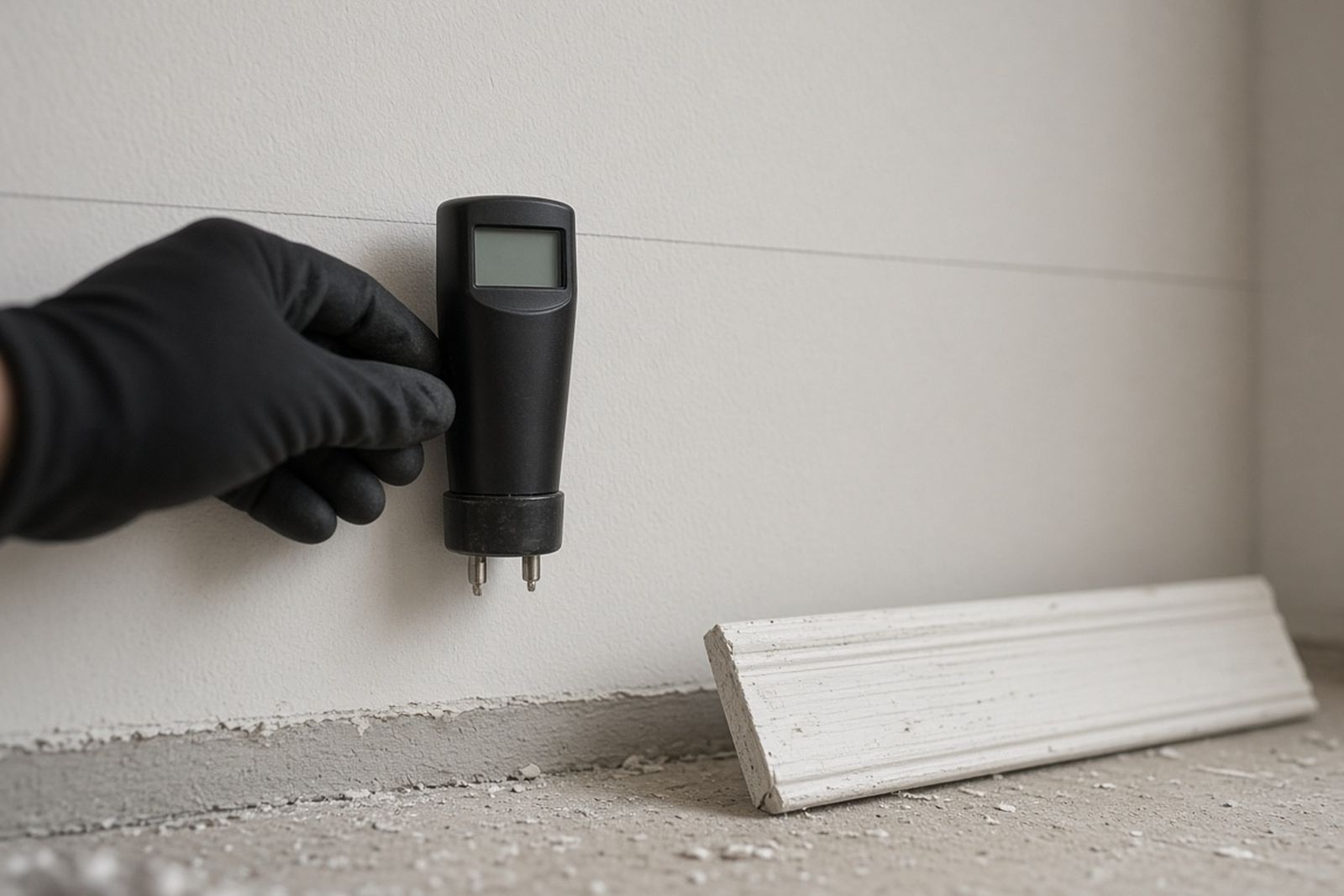
See how pro cleanup of sewage, waste, and soaked materials really works in homes and rentals. Learn about moisture checks, removing materials, and records.
Costs explained
What drives the price, published cost ranges, and how to read a written quote line by line.
Insurance and payment
Which policies may respond, how to document a claim, and what to do if coverage is denied.
Community polls
See how other homeowners, landlords, and caregivers handled sewage backups and waste messes. Compare their choices with the one in front of you.
Knowledge quiz
Test what you know before you call a company or start cleanup. Learn to spot hazards, keep a mess in one place, clean in the right order, and deal with waste.
Articles and resources
Read practical articles on rental move-outs, pet urine soaked into floors, accidents in elder care, and sewage claims. They are written for people facing these problems for the first time.
Field guides
Step-by-step guides walk through common home situations. They explain what to expect, what to record, and which choices depend on local rules.