Free feces & bodily fluid cleanup tool
Feces & Bodily Fluid Cleanup Provider Vetting Checklist
Fifteen questions to ask any remediation provider, a readiness score, and a copyable list of what is still unanswered.
Picking a company for waste or sewage cleanup in a home or rental is harder than hiring a painter. You cannot easily check the result. Dirty pad under a new carpet looks just like clean pad. This checklist gives you questions to ask any company before you sign. They focus on the things that go wrong most often. Will they check below the finished floor? How do they keep cleaning and disinfecting separate? What do they do with the debris? What records will you get? As you confirm each answer, the tool tracks your progress. It gives a readiness score that shows how much of the picture you really have.
The list of open questions at the end is the most useful result. It is text you can copy into an email or read from during a call. Then nothing gets forgotten while a crew waits in the driveway. The checklist does not rate any company. It measures your own confidence in what has been confirmed. A company that answers every item clearly and in writing is easier to hold to account if odor comes back. Some companies dodge questions about waste. Some promise nothing needs to be removed before they have looked under the floor. That tells you something useful too. Rules on licenses and waste vary by state and county, so check credentials with the local agency.
How to use it
- 1Read through the questions before you contact anyone so you know what a complete answer sounds like.
- 2Ask each question during the visit or call. Tick it only when the answer is specific and in writing.
- 3Review your readiness score and why any unchecked items matter for waste or sewage work.
- 4Copy the open-questions list into a message to the company or bring it to the walkthrough.
Prefer to ask a person?
Your request is sent to the follow-up inbox. A coordinator can reply by email. Not for emergencies; call 911 first if anyone is in danger.
Vet a provider before you sign
Feces & Bodily Fluid Cleanup provider vetting checklist
Start with the questions specific to this kind of job. Tick each one once the provider has answered it in writing or shown you the document. Your progress stays on this device only.
Readiness: 0 of 21 confirmed (0%)
21 questions still need a written answer. Copy the list and send it to the provider before you sign anything.
A worked example
Think of a made-up homeowner whose finished basement took on sewage. A city sewer main backed up during a storm. Two companies offer to start right away. Using the checklist, she asks both the same things. Will they take moisture readings in the drywall and under the vinyl plank floor? Which products do they use, and are they EPA-registered? How will the debris be bagged, and where does it go? Will they record what was removed and what was cleaned? The first company answers each point, names the disinfectant, and emails a sample plan. The second says everything can be cleaned in place. It says records are not usually needed for a basement. She ticks the confirmed items for each. The first gets a high readiness score and the second a low one. The second's open questions center on inspection and waste. The copied list becomes her follow-up email to the second company, asking for the missing answers in writing. Their reply is vague, so she picks the first. The checklist did not rank the companies. It showed which one had given her enough to decide.
Numbers behind vetting checklist decisions
- 79%
79% of residents correctly selected recommended respirators from the displayed options.
Read with care: 31% response; self-report; mask terminology broad; Katrina comparison involved different samples.
Source: Foreman et al. (2024)238 residents and 68 mold-remediation workers near New Orleans; mostly recruited outside home-improvement stores.
- 23
23 performed heavy work such as removing furniture or drywall.
Read with care: High-risk clinical sample; no infection probability inferred.
Source: Chow et al. (2019)103 immunosuppressed Houston residents surveyed after Hurricane Harvey, 2017.
- 43%
43% reported at least one physical health problem after the flood.
Read with care: Self-reported four-month outcomes; event-specific associations.
Source: Collins et al. (2013)475 respondents whose homes were damaged in the 2006 El Paso flood.
- 96%
96% considered written instructions effective.
Read with care: Self-selected follow-up; no untreated comparison; perceived instruction quality is not proof of protection.
Source: Li et al. (2020)83 analysed follow-up participants from a Houston PPE-and-training outreach programme after Harvey.
These figures are public research and agency data, not this network's own job records. Keep each number with its population, year and limits; none of them predicts cost, timing or outcome at a specific property.
Provider Vetting Checklist questions for feces & bodily fluid cleanup
What should I ask about the crew's training?
Ask what training the workers have in handling dirty water and biohazard messes. Ask whether the company follows OSHA's bloodborne disease standard at 29 CFR 1910.1030 for its workers. Ask to see any certificates, not just hear about them. This network cannot check credentials for you. So confirm licenses with your state or county agency.
Is a general contractor or carpet cleaner a good choice?
For small, contained accidents on hard floors, a skilled cleaner may be fine. But sewage, built-up waste, or anything that reached pad and subfloor is different. For those, you want a company whose main work is dirty-water and biohazard cleanup. Ask the checklist questions no matter what the company calls itself. Let the answers decide, not the name.
Should I insist on ATP testing?
A quick swab test can show leftover organic residue on hard surfaces (it does not detect germs). It can be a useful check after cleaning. But it does not find specific germs, and it does not work well on soft materials. Ask whether the company offers surface testing. Ask how they will confirm that removed materials were replaced correctly. Treat testing as one part of your records, not a promise.
What if the provider refuses to give a written scope before starting?
Emergency work sometimes starts with a short sign-off instead of a full plan. This is most common when sewage is still spreading. Even so, ask for the written plan as soon as the water is pulled out and things are stable, before anything is torn out. If they refuse outright, that is a big unchecked item on your score. You should weigh it heavily.
How do I use the readiness score with a landlord or co-owner?
Share the copied list so everyone sees the same open questions. The score gives a quick way to explain why you are not ready to approve work. It can also show why one company has earned more trust. It creates a record that you did your homework, too. That matters in deposit disputes and in talks with an adjuster.
Can I work through the checklist during a live phone call?
Yes, and that is one of the easiest ways to use it. Keep the checklist open while you talk. Ask each question in order and mark the answer as you go. If the person needs to check something, note it and ask when they will follow up. Afterward, add a short note on how clearly they explained things. How they talk during the call often predicts how they will talk during the job.
What if a provider scores well but something still feels off?
Pay attention to that feeling and try to name it. It might be pressure to sign fast or a vague answer about who will really do the work. It might be a tone that made you uneasy talking about a sensitive situation. Ask a follow-up question about that exact concern. If the answer does not settle it, getting one more quote is reasonable. The checklist organizes your judgment. It does not replace it.
Related community polls
Every count is a real visitor vote; nothing is seeded or padded. One vote per poll per device, and you can change your answer.
When you discovered a sewage backup or waste problem at home, what did you do first?
How did you decide whether soaked carpet could be saved?
Other feces & bodily fluid cleanup tools
Cost Range Estimator
Set the affected area, surface types, severity and extras to see an educational cost range and the factors that move it.
OpenInsurance Claim Organizer
A guided checklist from finding the policy to tracking the carrier decision, with a printable summary of where the claim stands.
OpenFirst 24 Hours Planner
Tell the planner a few facts about the situation and get an ordered list of who to call, what not to touch, and what to photograph.
OpenWaste & Disposal Classifier
Five questions about the material point to the likely waste category and which authority to confirm the rules with.
OpenDIY or Call a Pro? Risk Check
Eight yes-or-no questions that produce a risk level and explain when professional help is the safer choice.
OpenMore on feces & bodily fluid cleanup
Feces & Bodily Fluid Cleanup services
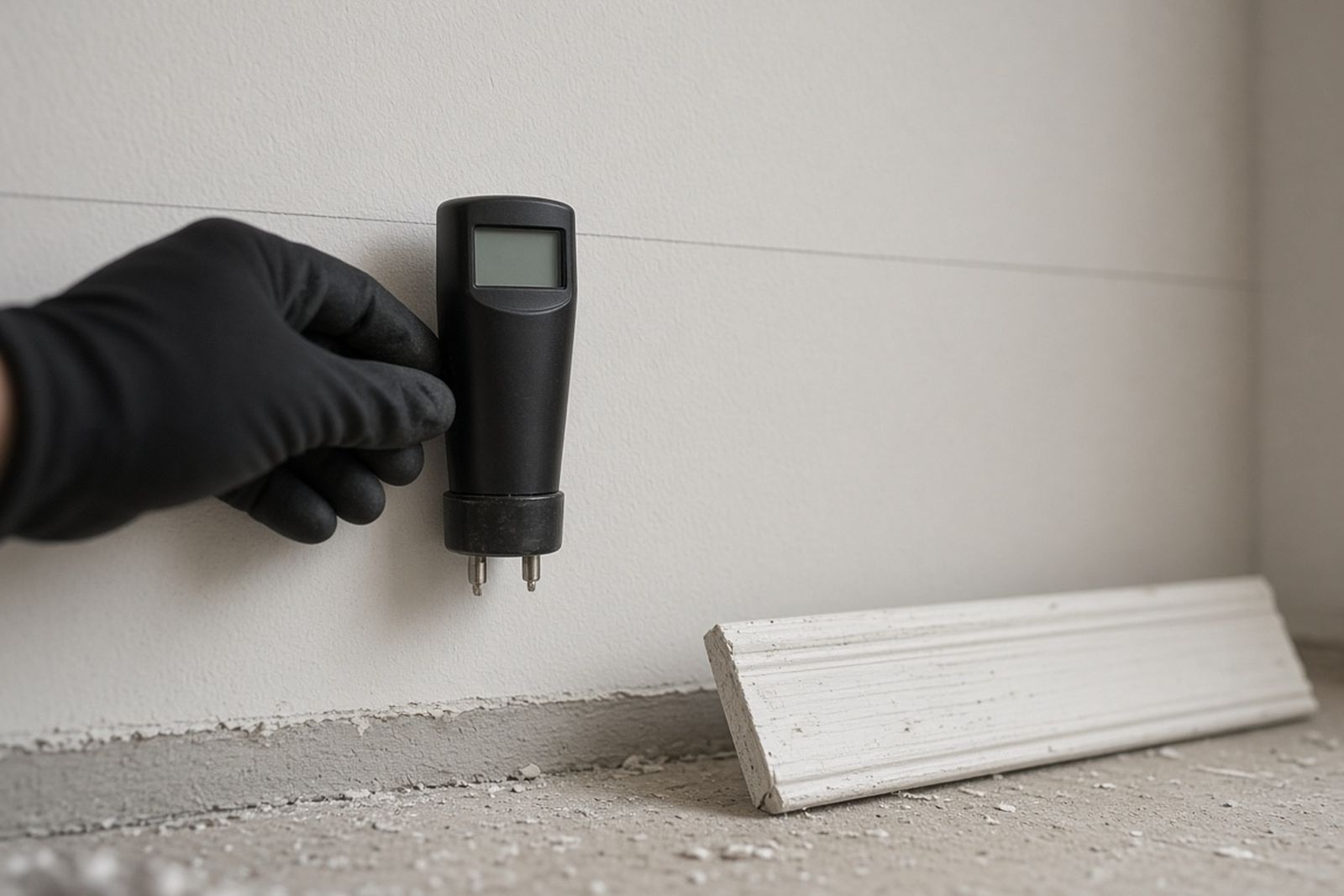
See how pro cleanup of sewage, waste, and soaked materials really works in homes and rentals. Learn about moisture checks, removing materials, and records.
Costs explained
What drives the price, published cost ranges, and how to read a written quote line by line.
Insurance and payment
Which policies may respond, how to document a claim, and what to do if coverage is denied.
Community polls
See how other homeowners, landlords, and caregivers handled sewage backups and waste messes. Compare their choices with the one in front of you.
Knowledge quiz
Test what you know before you call a company or start cleanup. Learn to spot hazards, keep a mess in one place, clean in the right order, and deal with waste.
Articles and resources
Read practical articles on rental move-outs, pet urine soaked into floors, accidents in elder care, and sewage claims. They are written for people facing these problems for the first time.
Field guides
Step-by-step guides walk through common home situations. They explain what to expect, what to record, and which choices depend on local rules.