Feces & Bodily Fluid Cleanup: Process & What to Expect
Property-specific walkthroughs for feces & bodily fluid cleanup: assessment, scope approval, hazard controls, material decisions, documentation, verification, and restoration handoff. Not every phase applies to every incident.
The process articles walk through a waste or fluid cleanup from the moment you call to the final walkthrough. They explain what an inspection looks like when a worker lifts a carpet corner or checks a subfloor with a moisture meter. They explain how pulling out water differs from drying. They show why the crew bags and removes soaked materials before any disinfectant goes down. Other posts cover how long jobs usually take and what makes a schedule longer or shorter. They also cover what you can safely do before a company arrives. Examples are turning off the water supply valve or sealing the doorway of the affected room.
Get an email reply about feces & bodily fluid cleanup
Send a short message to the follow-up inbox. A coordinator can reply by email. This form does not send emergency help; call 911 first if anyone is in danger.
Knowing the order keeps you from approving the wrong step at the wrong time. People often want odor treatment first, because the smell is the most noticeable sign. But fogging a room with wet padding still inside only hides the problem. It can delay the real fix. Knowing the order also helps you plan where the household will stay and when fixtures will work again. It helps you book a plumber so repairs do not clash with drying machines. It gives you a way to check progress, too. Say a crew skips moisture readings or starts putting baseboards back before the subfloor is confirmed dry. You will know something is out of order and can ask why.
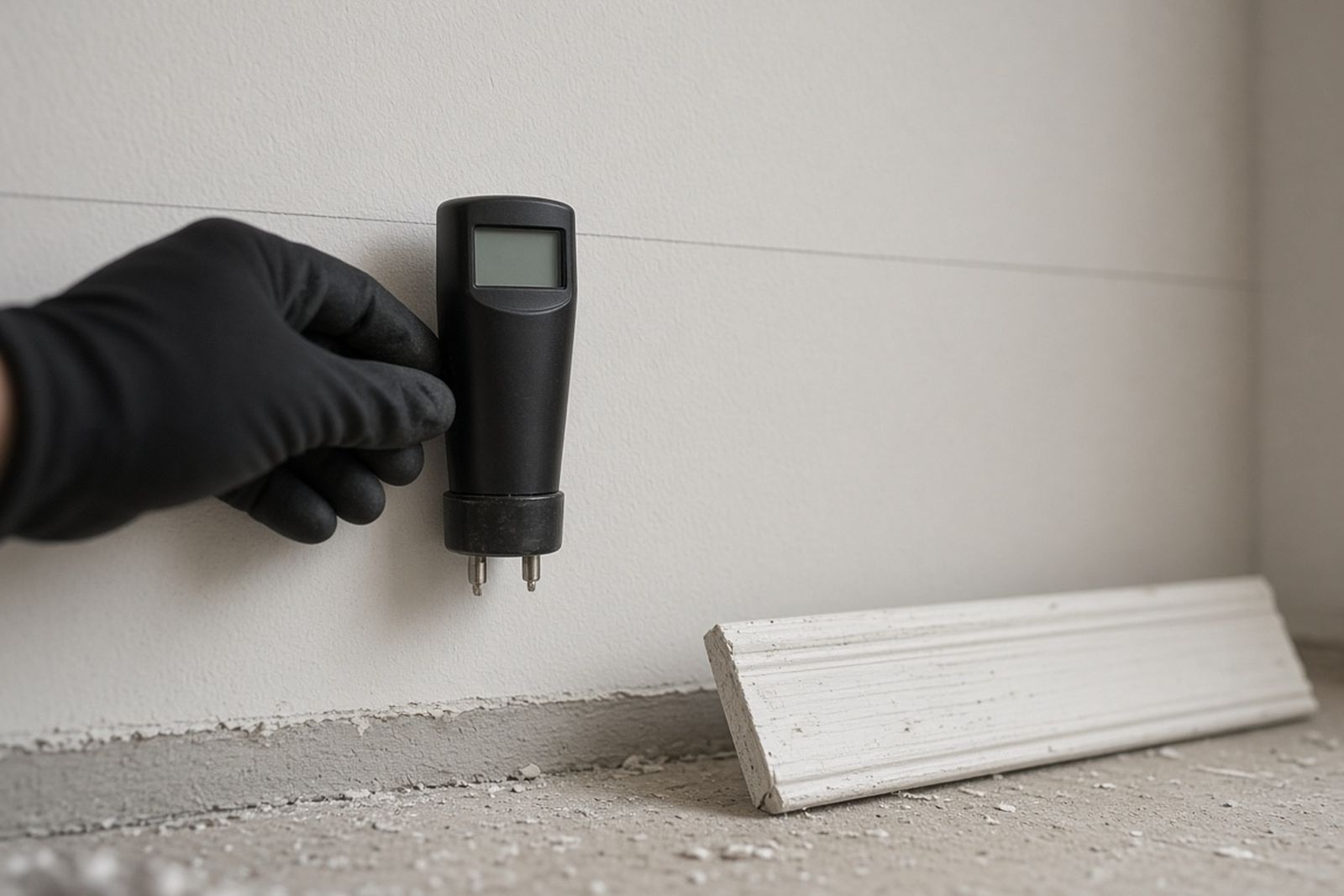
What to Expect During Professional Feces & Bodily Fluid Cleanup
From the first walkthrough to the final odor check, here is how a professional sewage, urine, or human waste cleanup usually unfolds inside a home or rental.
Expect a walkthrough and written scope, then a crew in protective gear who contain the area, remove soaked porous materials, clean remaining surfaces, and apply a registered disinfectant for its full labeled contact time. Waste is bagged and disposed of under local rules. The job ends with odor and moisture checks, a photo record, and a clear statement of what was removed and what still needs rebuilding.
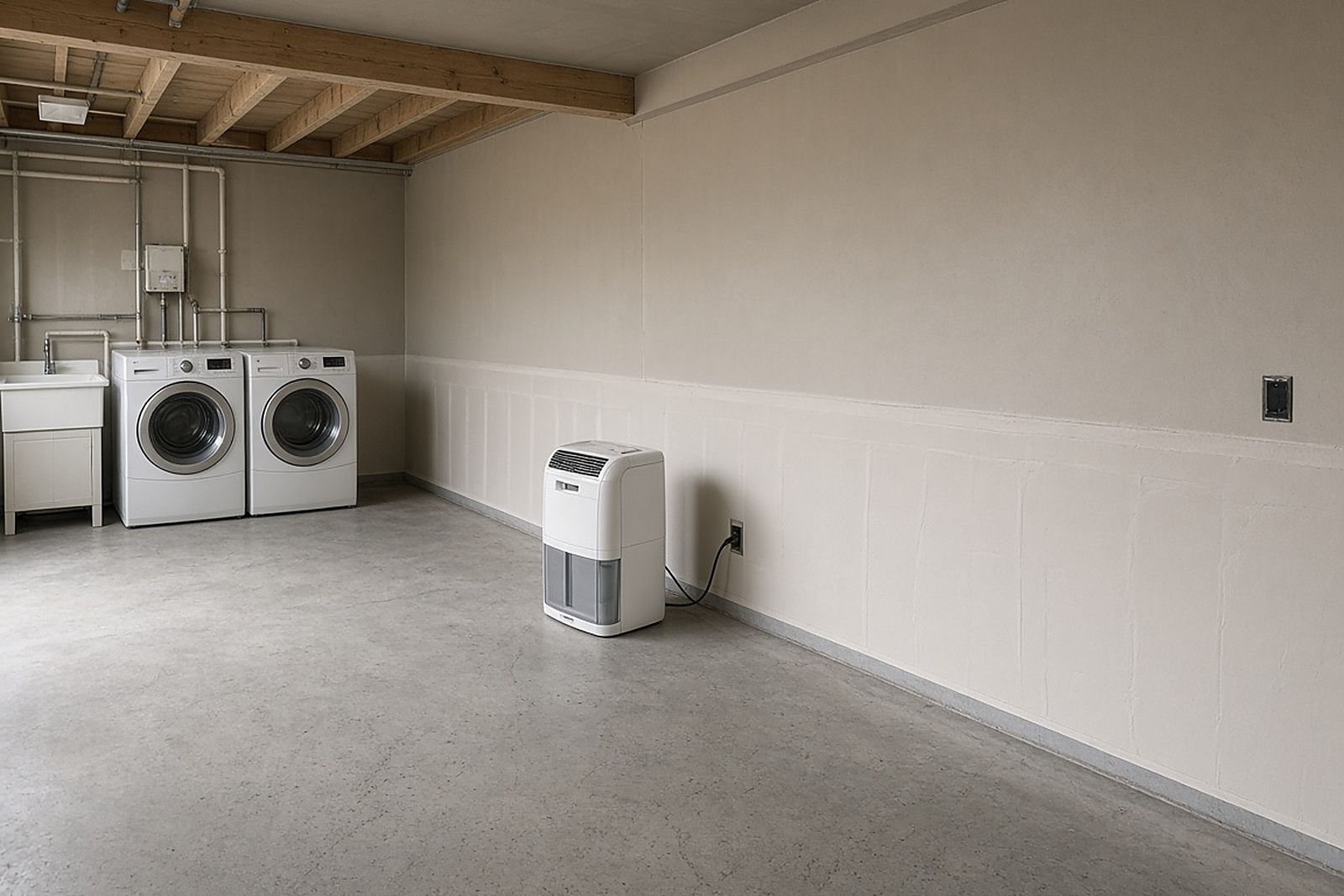
How Long Does Feces & Bodily Fluid Cleanup Take?
A small bathroom accident and a basement sewage backup are very different jobs. Learn what sets the timeline for human waste and bodily fluid cleanup at home.
How long feces and bodily fluid cleanup takes depends on how far the contamination spread, how long it sat, and what it soaked into. A contained spill on tile can be finished relatively quickly, while sewage backups or long-term urine saturation can take days because flooring, drywall, and subfloor must be removed, cleaned, disinfected, and dried before rebuilding starts. Contact time and drying set the pace.
Urgent Feces & Bodily Fluid Cleanup: What to Do Before a Provider Arrives
Sewage rising from a drain or waste on the floor right now? Steps to protect your household, stop the spread, and document the scene while help is on the way.
Get people and pets away from the waste, stop adding water to the affected drain line, and close off the area. Do not vacuum or run fans over sewage. Wash hands thoroughly after any contact, photograph from a distance, and call a remediation provider and your carrier. If there is a strong sewer gas smell in an enclosed space, leave and call your gas utility or 911.
Sourced figures on process & what to expect
- 7 days
Hepatitis B virus remains infectious for at least 7 days on surfaces; in 2023 the US recorded 2,214 reported cases but an estimated 14,400 actual infections.
Read with care: Surface survival does not mean casual contact transmits infection.
Source: CDC (2025)United States
- 12,800 deaths
CDC estimated 223,900 hospitalized C. difficile cases, 12,800 deaths and $1 billion in attributable healthcare costs in 2017, rating the threat 'urgent'.
Read with care: Counts hospitalized cases only; community-associated cases are not declining.
Source: CDC (2019)United States, 2017 data
- 300 ppm
The NIOSH IDLH for ammonia, generated by decomposing urine and feces, is 300 ppm, while the OSHA permissible limit is 50 ppm averaged over a shift.
Read with care: Residential ammonia levels are rarely measured; the value is a workplace benchmark.
Source: NIOSH (CDC) (1994)US occupational exposure guidance
These figures are public research and agency data, not this network's own job records. Keep each number with its population, year and limits; none of them predicts cost, timing or outcome at a specific property.
What research has found
Findings from published studies of people and properties in situations like this one. They describe what researchers observed in a specific group; they are not predictions for your case.
Changing application type was associated with being awakened by coughing episodes.
Floors were disinfected less consistently than high-touch surfaces.
Process & What to Expect: common questions
Why does the crew remove materials before it disinfects?
Waste, urine, and sewage residue shield germs and use up the active ingredient in a disinfectant. Removing soaked padding, drywall, and debris first lets the product reach the surfaces that stay. Disinfecting before removal wastes product. It also leaves germs inside materials that will be thrown away anyway.
Can I keep using the bathroom where the overflow happened?
Usually not until the source is fixed and the company has cleaned and disinfected the room. Using a fixture that caused the backup can send more waste into the affected area. Ask the plumber and the company together when the room is safe to use. Plan for a second bathroom or a short-term option in the meantime.
What should I do before the provider arrives?
Stop the source if you can do so safely, keep children and pets away, and close off the room. Turn off any forced-air system that pulls from the affected area. Photograph the damage from the doorway. Avoid mopping, running a household vacuum over wet material, or mixing cleaning products.
How do I prepare my home the night before the crew arrives?
Keep the affected area closed and limit water use if the plumbing is not fixed. Move pets and children to another room or another home. Clear a path from the door to the work area so the crew can bring in equipment. Set aside important documents, medications, and valuables from nearby rooms. Write down questions for the walkthrough so you do not forget them.
What is the difference between the walkthrough and the actual start of work?
The walkthrough is when the company checks the damage, takes readings, and explains what it suggests. It usually ends with a written plan for you to review and approve. Work begins only after you sign. Some companies can do urgent steps, like pulling out water, the same day. But you should still understand and approve what they plan before any material is removed.
How will I know which step of the cleanup the crew is on?
Ask the crew lead for brief updates at the end of each visit, including what was finished and what comes next. Many providers send photos or a short daily note. If you have a written scope with numbered steps, ask them to reference those steps. Clear updates help you plan around the work and give you a running record if questions come up later.
What should I expect after the crew leaves for the last time?
Expect some rebuilding still to do, such as replacing drywall and flooring, unless the company handles that too. Watch for odor and moisture for a few weeks, especially after humid days. Keep your final paperwork packet in a safe place. If anything seems off, contact the company quickly and describe what you noticed. Early follow-up is easier than a later repair.
Related community polls
Every count is a real visitor vote; nothing is seeded or padded. One vote per poll per device, and you can change your answer.
When you discovered a sewage backup or waste problem at home, what did you do first?
How did you decide whether soaked carpet could be saved?
More on feces & bodily fluid cleanup
Feces & Bodily Fluid Cleanup services
See how pro cleanup of sewage, waste, and soaked materials really works in homes and rentals. Learn about moisture checks, removing materials, and records.
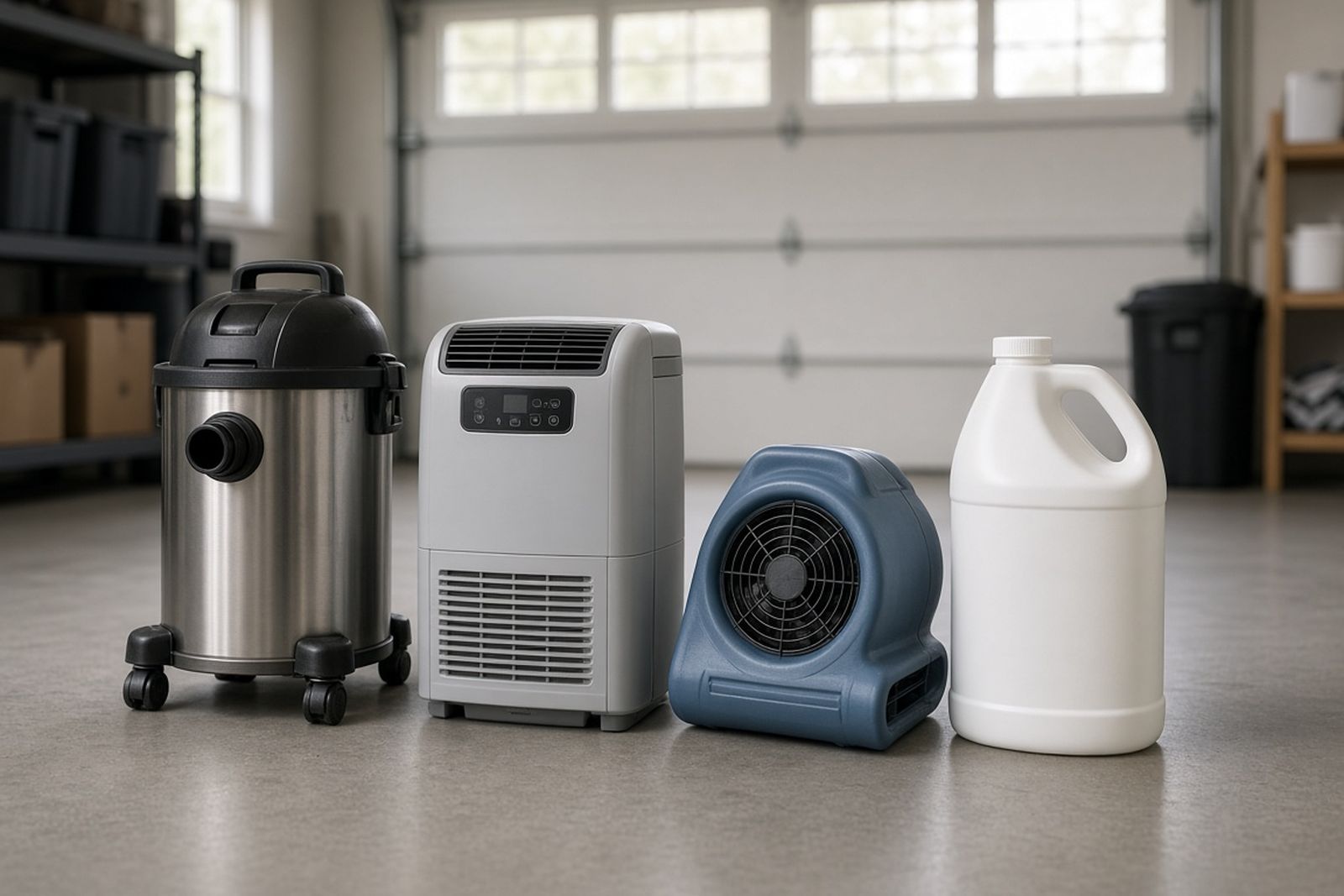
Costs explained
What drives the price, published cost ranges, and how to read a written quote line by line.
Insurance and payment
Which policies may respond, how to document a claim, and what to do if coverage is denied.
Planning tools
Use hands-on tools to see cost drivers, check a company, organize a claim, plan the first day, sort debris, and weigh doing it yourself.
Community polls
See how other homeowners, landlords, and caregivers handled sewage backups and waste messes. Compare their choices with the one in front of you.
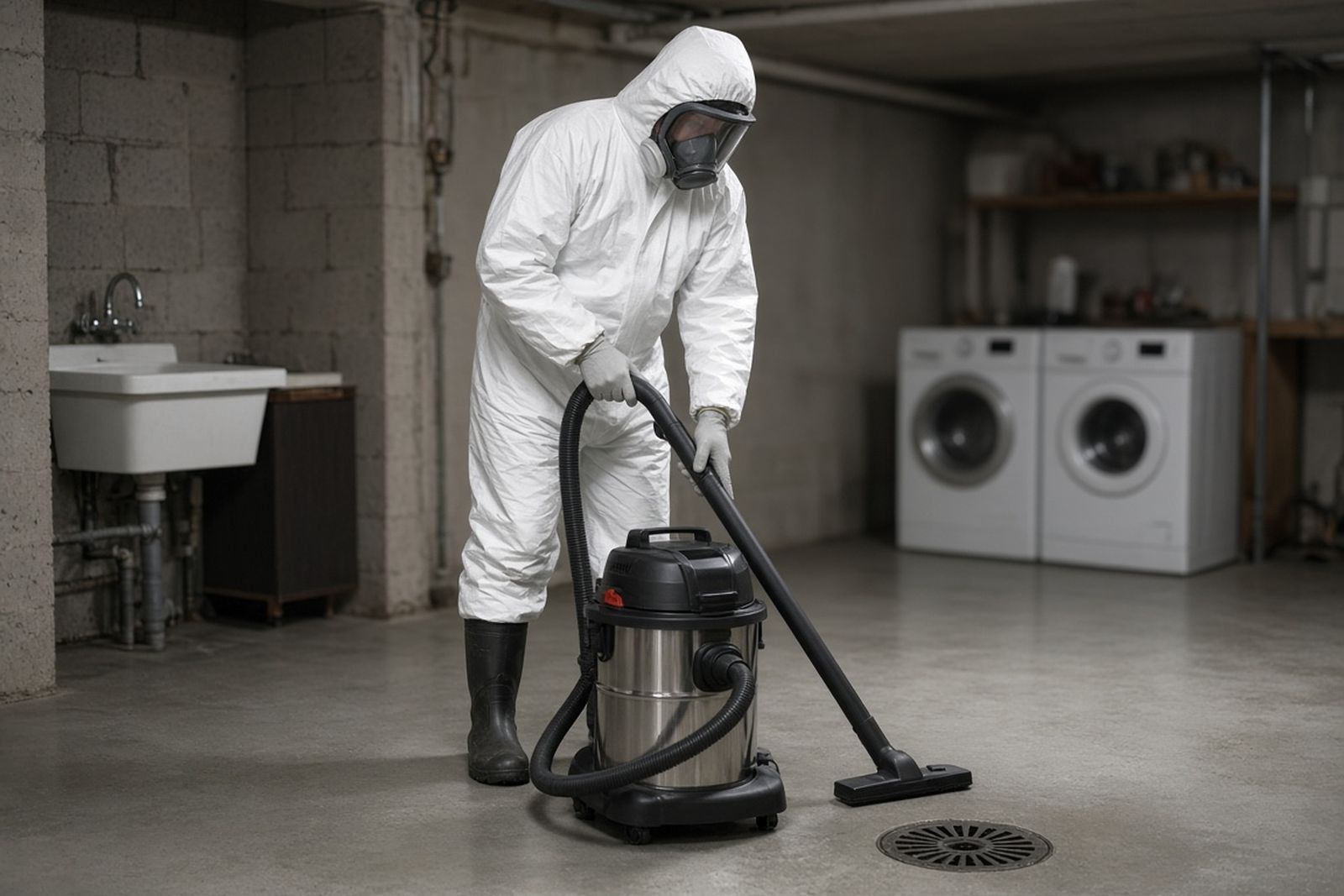
Knowledge quiz
Test what you know before you call a company or start cleanup. Learn to spot hazards, keep a mess in one place, clean in the right order, and deal with waste.
Field guides
Step-by-step guides walk through common home situations. They explain what to expect, what to record, and which choices depend on local rules.