Feces & Bodily Fluid Cleanup: Safety
Hazard-assessment articles for feces & bodily fluid cleanup, including when bloodborne, chemical, respiratory, sharps, structural, or waste controls may apply. PPE and containment must follow the actual exposure—not a universal checklist.
The safety articles focus on the hazards that make human waste and body fluids more than an unpleasant chore. They cover splashing and fine spray while water is pulled out. They cover the danger of mixing bleach with urine stains, which are high in ammonia. They cover slipping on wet subfloors and needles or drug debris sometimes buried in a neglected room. Posts on protective gear explain why gloves alone are not enough when kneeling on soaked carpet. They explain when eye protection and fluid-proof coveralls make sense. They explain how choosing a respirator depends on what the crew will really breathe and touch. A comparison of do-it-yourself and pro work helps you draw a realistic line.
Get an email reply about feces & bodily fluid cleanup
Send a short message to the follow-up inbox. A coordinator can reply by email. This form does not send emergency help; call 911 first if anyone is in danger.
This matters because the people who most often try a cleanup themselves often misjudge how far the mess has spread under the surface. These include family caregivers, maintenance staff, and new landlords. A mop pushes sewage into grout and seams. A household vacuum can blow dried particles around a room. A strong cleaner poured over urine can create fumes in a small bathroom. Knowing when a mess has moved past a gloves-and-spray job can prevent illness and chemical injuries. The articles also explain how to protect other people in the home while work goes on. That includes keeping children and pets out and stopping dirty shoes from tracking residue into clean rooms.
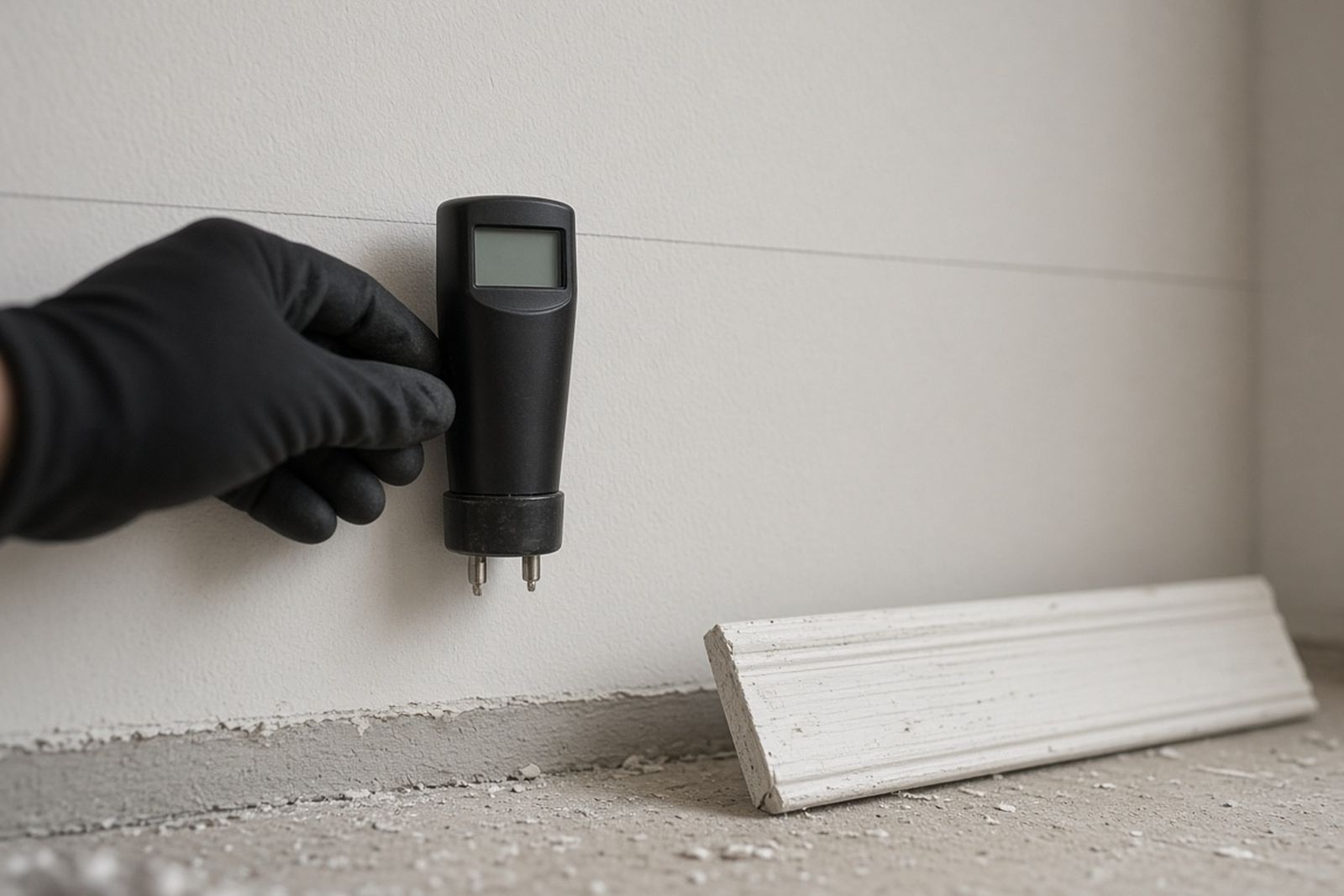
DIY vs Professional Feces & Bodily Fluid Cleanup: The Critical Differences
When can you safely clean up vomit, stool, or a toilet overflow yourself, and when do sewage or long-term urine problems call for a professional crew?
You can often handle small, fresh messes on hard surfaces yourself with gloves, eye protection, a registered disinfectant, and the full label contact time. Professional cleanup is the safer choice for sewage backups, contamination that soaked into carpet, drywall, or subfloor, long-term urine buildup, strong sewage or ammonia odors, confined spaces, or homes with medically vulnerable people. The key differences are protection, removal, drying, and verification.
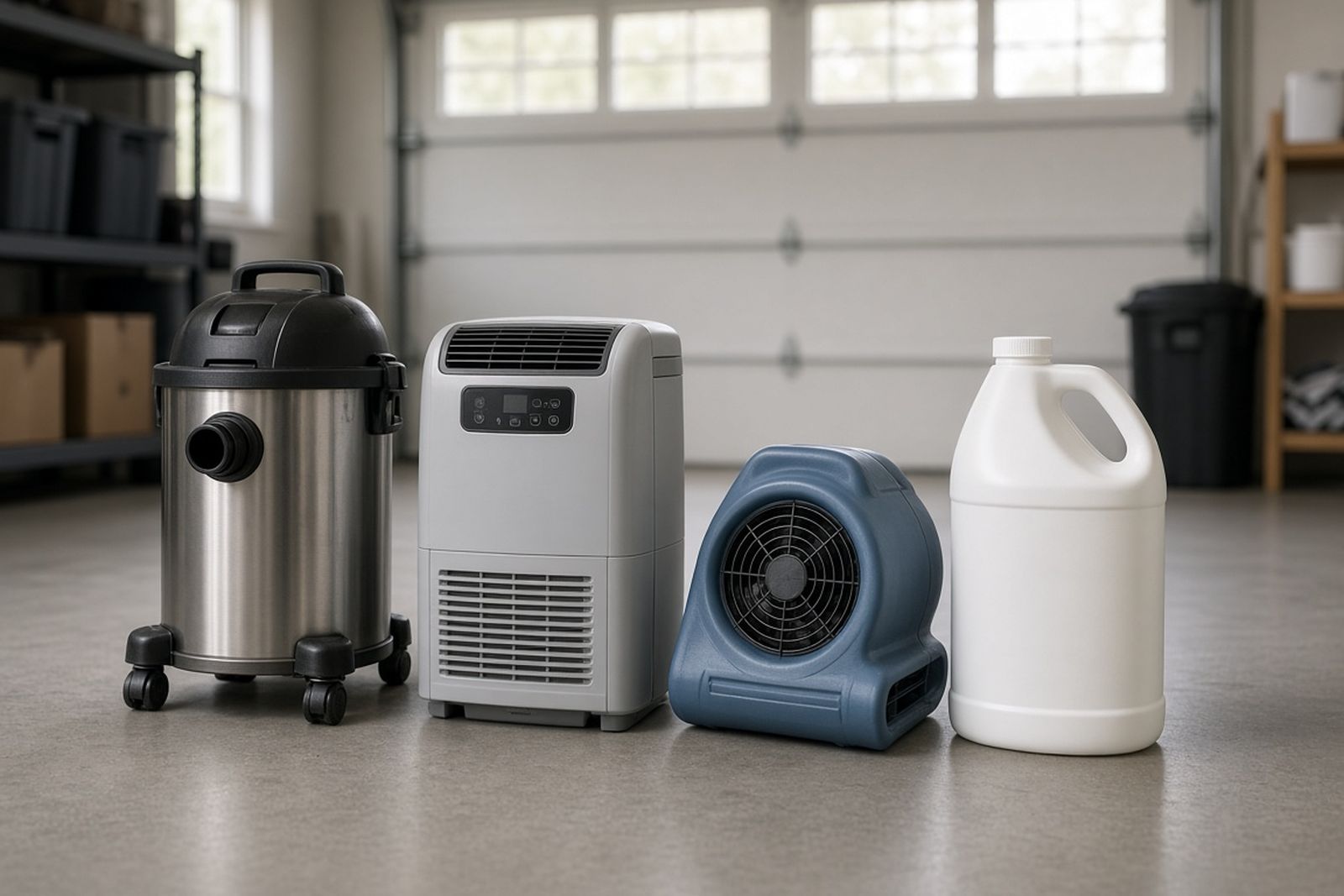
10 Feces & Bodily Fluid Cleanup Safety Risks to Assess Before Work Begins
Sewer gas, splashes, sagging ceilings, hidden sharps, and mold are all part of human waste cleanup. Here are ten risks to weigh before you or a crew starts.
Before feces or bodily fluid cleanup begins, assess ten risks: germs reaching the mouth through hands, splashes to the eyes, sewer gases in enclosed spaces, ammonia from old urine, dangerous chemical mixing, electrical hazards after water intrusion, weakened floors and ceilings, hidden sharps, mold growth, and spreading contamination through the home. Identifying them first shapes protective gear, ventilation, and whether to call a professional.
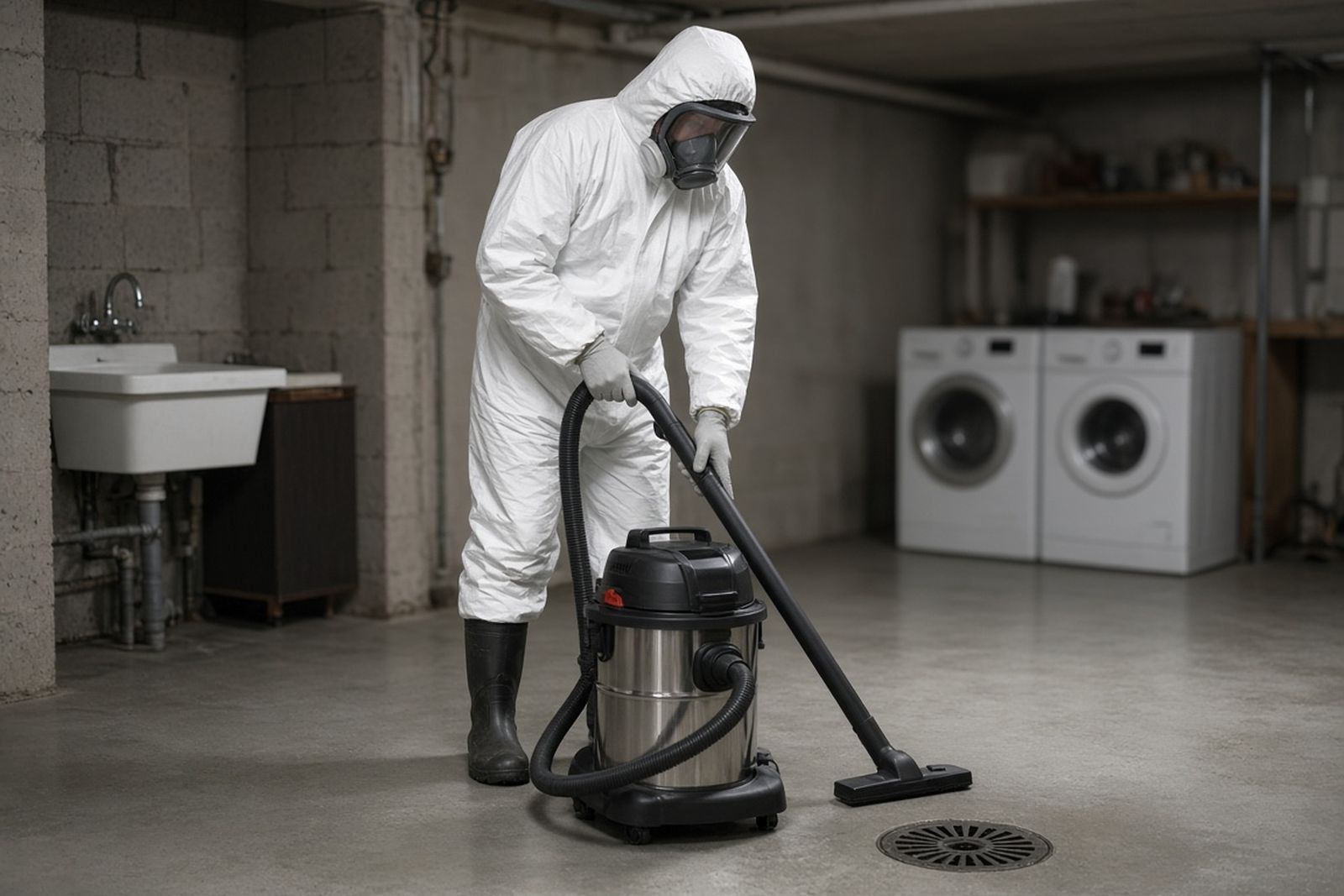
PPE Planning for Feces & Bodily Fluid Cleanup: Start With the Hazard Assessment
Sewage, feces, and fluid-soaked materials bring splash, aerosol, gas, and sharps hazards. Build PPE choices from a task-by-task assessment of the actual job.
Start by listing each task, such as extracting sewage, removing soaked carpet, cutting drywall, and disinfecting, then ask what could splash, be inhaled, puncture skin, or cause a fall. Typical choices include waterproof gloves over liners, fluid-resistant coveralls, rubber boots, splash goggles, and a fit-tested respirator where aerosols, mold, or gases are likely. Air monitoring, ventilation, and safe removal of gear matter as much as the items themselves.
Sourced figures on safety
- ~500,000 infections
C. difficile causes almost half a million infections in the US each year, and its spores can survive for months or years on surfaces and in soil.
Read with care: Most infections follow antibiotic use; environmental exposure is one contributing route.
Source: CDC (2024)United States, annual estimate
- 1 trillion germs per gram
A single gram of human feces can contain one trillion germs, and handwashing education reduces diarrheal illness by 23–40%.
Read with care: Germ counts include harmless bacteria; not all are pathogens.
Source: CDC (2024)General public health guidance
- 2,500 outbreaks
About 2,500 norovirus outbreaks are reported in the United States each year, most spread by direct person-to-person contact.
Read with care: Reported outbreaks undercount household clusters.
Source: CDC (2024)United States, reported outbreaks per year
These figures are public research and agency data, not this network's own job records. Keep each number with its population, year and limits; none of them predicts cost, timing or outcome at a specific property.
What research has found
Findings from published studies of people and properties in situations like this one. They describe what researchers observed in a specific group; they are not predictions for your case.
Hydrogen-peroxide formulations were more sporicidal than the tested quaternary-ammonium formulations.
Some used wipes retained substantial viable bacteria.
Safety: common questions
Is it safe to use bleach on dried urine?
Mixing bleach with urine residue can give off harsh gases, because urine contains ammonia compounds. Clean the area with soap or an enzyme product first. Rinse, and then apply a disinfectant as its label says. Never mix different cleaning products in the same bucket or on the same surface.
When should a family member stop and call a professional?
Stop when waste or fluid has soaked into padding, subflooring, or wallboard. Stop when sewage is involved or when the mess covers more than a small hard surface. Also stop when anyone in the home is pregnant, very young, elderly, or has a weak immune system. Those cases raise worries about exposure and hidden spread.
Do I need a respirator to clean up a small toilet overflow?
For a small overflow on tile that you clean right away, people often use gloves, eye protection, and good airflow. Dried, dusty waste, long sewage exposure, or strong chemical products change that picture. A pro crew bases its respirator choices on a written check of the hazards and a breathing protection program.
What should I do if someone touched waste with bare hands?
Have them wash their hands right away with soap and running water, scrubbing thoroughly including under the nails, then dry with a clean towel. Clean anything they touched afterward. If they have cuts on their hands or got waste near their eyes or mouth, call a doctor or nurse line for advice. Watch for stomach upset or fever over the next few days.
How can I stay safe while I help an older parent after an accident?
Put on gloves before you start and keep a simple kit nearby. Help your parent clean up first, gently and privately, then handle the mess. Use paper towels and a disinfectant with the right contact time, and wash your hands well afterward. Protect your back when lifting. If accidents are becoming frequent, talk with their doctor about causes and support.
Is it safe to run the household fan or air conditioning during a small cleanup?
For a small, contained spill, running a fan can help clear odor and fumes from cleaning products. Do not point fans right at wet waste, since moving air can spread droplets. For a sewage backup or larger event, turn off the heating and cooling system until a company checks it. That keeps germs from spreading through the ducts.
When should a cleanup be put on hold for safety reasons?
Stop if you smell a strong sewer or rotten egg odor. Stop if water is near electrical outlets or panels. Stop if you find needles or other sharp objects, or if floors or ceilings look damaged. Stop if you start to feel dizzy or unwell. Leave the area, get fresh air, and call a pro or the right utility before you go back in.
Related community polls
Every count is a real visitor vote; nothing is seeded or padded. One vote per poll per device, and you can change your answer.
When you discovered a sewage backup or waste problem at home, what did you do first?
How did you decide whether soaked carpet could be saved?
More on feces & bodily fluid cleanup
Feces & Bodily Fluid Cleanup services
See how pro cleanup of sewage, waste, and soaked materials really works in homes and rentals. Learn about moisture checks, removing materials, and records.
Costs explained
What drives the price, published cost ranges, and how to read a written quote line by line.
Insurance and payment
Which policies may respond, how to document a claim, and what to do if coverage is denied.
Planning tools
Use hands-on tools to see cost drivers, check a company, organize a claim, plan the first day, sort debris, and weigh doing it yourself.
Community polls
See how other homeowners, landlords, and caregivers handled sewage backups and waste messes. Compare their choices with the one in front of you.
Knowledge quiz
Test what you know before you call a company or start cleanup. Learn to spot hazards, keep a mess in one place, clean in the right order, and deal with waste.
Field guides
Step-by-step guides walk through common home situations. They explain what to expect, what to record, and which choices depend on local rules.