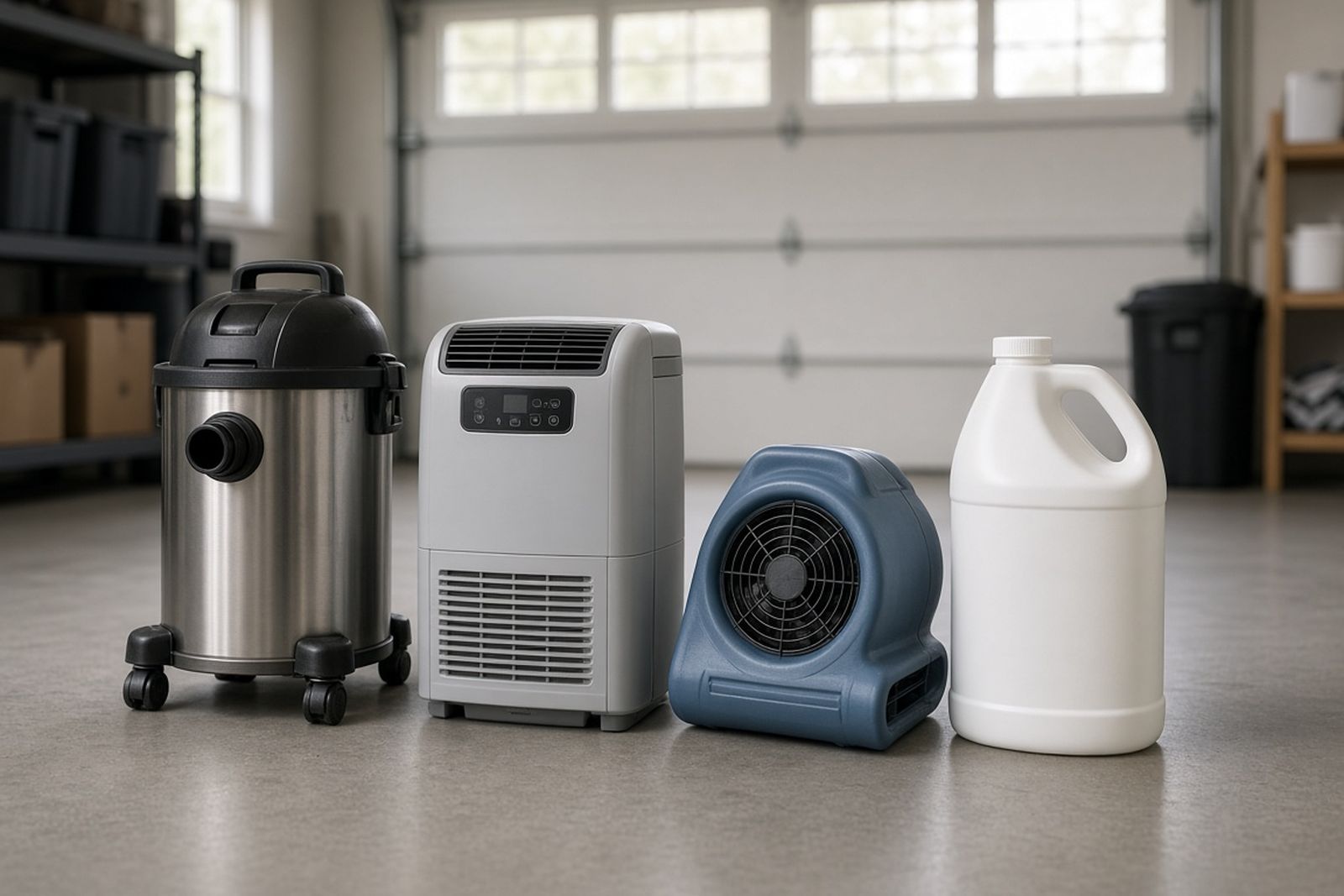
Short answer
Environmentally responsible feces and bodily fluid cleanup keeps contaminated water out of storm drains, uses the least amount of disinfectant that still meets the label, avoids unnecessary fogging, salvages hard materials that can be cleaned, and routes debris and wastewater to the destinations local rules allow. It protects neighbors, waterways, and the people living in the home, without cutting corners on the health risks that make removal necessary.
Where the waste goes next matters
When most people think about a sewage backup, they think about getting it out of the house as fast as possible. That instinct makes sense, but where the waste goes next matters too. Contaminated water pumped onto a lawn or into a street gutter does not disappear. It can reach a storm drain, and in many communities storm drains flow directly to creeks, rivers, or the ocean without treatment.
Sewer systems already struggle with overflows. The US EPA estimated in 2026 that there are at least 23,000 to 75,000 sanitary sewer overflows per year in the US, not counting sewage backups into buildings. Each careless cleanup adds a little more to a problem that communities are already working to reduce.
Chemicals are the other half of the picture. Disinfectants are designed to kill living things. Used correctly, they protect your household. Used in excess, dumped carelessly, or mixed with each other, they can harm the people in the home, the workers, and whatever lies downstream.
What happens to the wastewater a crew pumps out of your home?
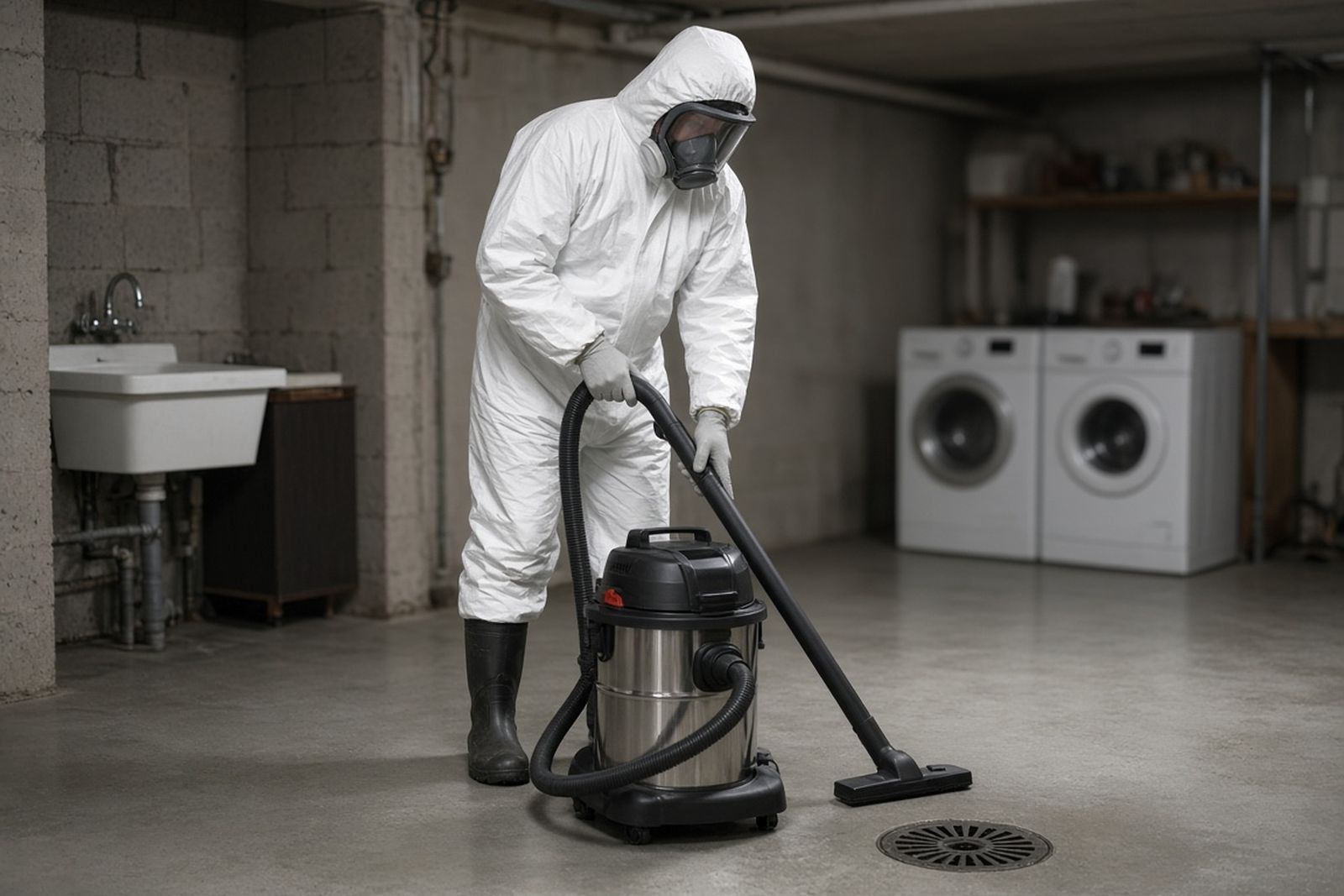
In most cases, contaminated water extracted from a building belongs back in the sanitary sewer, which leads to a treatment plant. It should not go into a yard, a street, a ditch, or a storm drain. Once a household drain has been cleared and the sewer line is flowing normally, providers commonly discharge extracted water into a cleanout, floor drain, or toilet connected to the sanitary system.
If the sewer line itself is still blocked or the municipal system is surcharging, the provider may need to hold extracted water in tanks until the line is clear or arrange hauling. That can add time and cost, but it keeps the contamination contained.
Rules on where extracted water may be discharged vary. Some utilities have specific requirements, especially for large volumes or water mixed with cleaning chemicals. Your sewer utility can tell you what it allows, and your provider should explain their plan for extracted water in writing.
Using less disinfectant without losing protection
More chemical is not better chemical. A disinfectant works when the right product, at the right strength, stays wet on a clean surface for the time listed on its label. Adding extra concentrate, spraying the same area repeatedly, or treating surfaces that were never contaminated adds exposure without adding protection.
Cleaning first is the best way to reduce chemical use. Removing the waste and soil with detergent and water means the disinfectant can do its job in one application instead of being consumed by organic matter. Choosing a product whose label matches the organisms of concern, such as norovirus for enteric waste, also avoids the trial-and-error approach of stacking products.
Material compatibility matters too. A 2024 study by Jennings and colleagues testing detergents and disinfectants on plastics found that products above pH 8 accounted for 74% of failures in the experiment. Choosing a product that suits both the organism and the surface can save fixtures, appliances, and trim from damage and replacement, which is itself an environmental win.
- Clean before disinfecting so one application is enough.
- Measure dilutions instead of pouring by eye.
- Treat contaminated surfaces, not every surface in the house.
- Check that the product is compatible with the materials being treated.
- Never mix bleach with ammonia-containing or acidic cleaners.
Is fogging the whole house a responsible choice after a sewage backup?
Whole-room fogging can look thorough, but it is rarely the right primary method for a feces or sewage job. The contamination is mostly on floors, the lower portion of walls, and fixtures, and it is often mixed with visible residue. Fogging does not remove that residue, and fine droplets drift onto surfaces that were never affected.
Fogging also raises indoor air concerns. Wilson and colleagues reported in a 2023 study of cleaning services workers that six of 11 interviewees described concerns or problems from inhaling cleaning chemicals. People living in the home after treatment can be affected too, especially children and anyone with asthma.
Some providers use fogging as a supplement for odor or for hard-to-reach cavities after cleaning. If a provider proposes it, ask what product will be used, whether its label allows that application method, why hand application is not enough, and how long the space must stay empty afterward.
Saving material instead of landfilling it
Some removal is unavoidable. Carpet pad soaked in sewage, gypsum drywall that wicked contaminated water, and particleboard that swelled with it generally cannot be trusted after cleaning. Keeping them in place to save landfill space would trade an environmental benefit for a health risk.
But many materials can be saved. Tile, sealed concrete, metal, glass, solid plastic, and many finished hardwoods can often be cleaned and disinfected. Porcelain fixtures such as toilets and sinks can usually be removed, cleaned, and reinstalled if needed. Metal shelving, tools, and appliances with sealed exteriors may be salvageable after inspection.
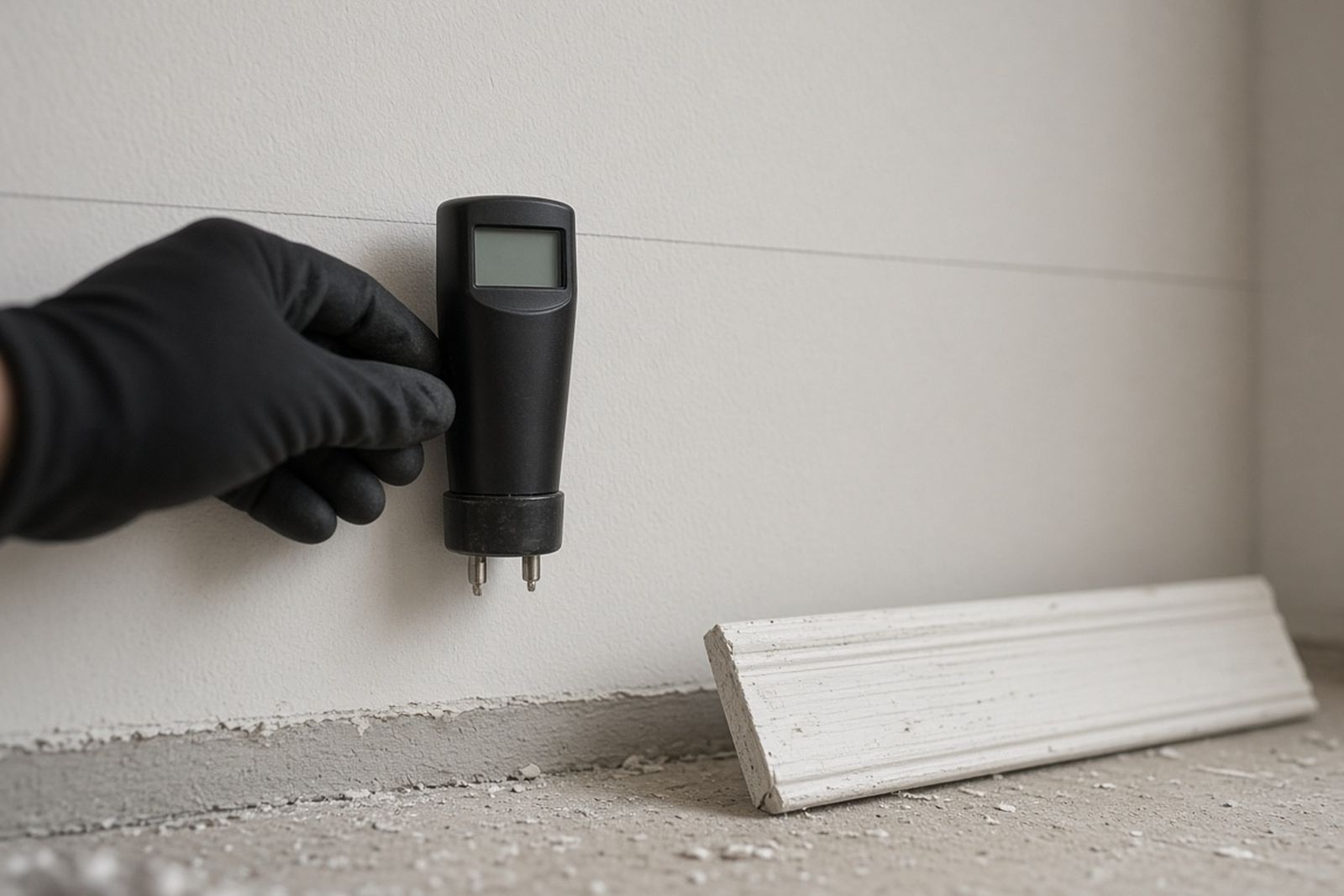
Precise cutting helps as well. Removing drywall only to a height justified by moisture readings, plus a sensible margin, sends less material to the landfill than tearing out entire walls. Ask your provider how they decide where to cut, and whether they will show you the readings.
Handling contaminated debris and disposable gear
Removed building materials, soiled belongings, and used protective equipment should be bagged or wrapped securely so they do not leak during transport. Heavy-duty bags, double bagging for wet items, and sealed containers keep fluids from escaping onto driveways, truck beds, or roads.
Most sewage-contaminated construction debris is handled as solid waste rather than regulated medical waste, but that depends on local rules and on whether any blood or sharps are involved. Some landfills or transfer stations have specific acceptance requirements. A responsible provider knows where each load is going and keeps disposal receipts.
Disposable suits, gloves, and boot covers add up quickly on a large job. Some providers reduce waste by using reusable boots and face shields that can be cleaned and disinfected between jobs, while keeping single-use items for the most contaminated tasks.
Prevention: the cleanup that never happens
The most responsible cleanup is the one that never has to happen. Many household backups start with things that should never go down a drain: grease poured down the kitchen sink, wipes labeled flushable that do not break down, and tree roots working into an aging lateral line.
Talk with a licensed plumber about a camera inspection of your sewer lateral if you have had slow drains or a prior backup. Ask whether a backwater valve makes sense for your home, especially if you have a basement with a floor drain. These steps cost money, but they can prevent the extraction, tear-out, and landfill trips that follow a major event.
Inside the home, keep a small supply of absorbent material, gloves, and heavy bags so a minor toilet overflow can be contained quickly before it spreads under flooring. The smaller the area affected, the less material has to be removed and the less chemical is needed to treat it.
If you rent, report slow drains and gurgling toilets to your landlord promptly. Early fixes are cheaper and create less waste than a full remediation.
Six questions about a provider's environmental practices
You do not need to be an environmental expert to hold a provider to good practices. A few direct questions usually reveal whether they have thought about it.
Good answers are specific. A provider who says they always dispose of everything properly, without being able to name where extracted water or debris goes, is giving you a slogan instead of a plan.
- Where will extracted water be discharged, and what happens if the sewer is still blocked?
- Which disinfectant will you use, and how will you avoid applying more than the label requires?
- Do you plan to fog, and if so, why?
- How do you decide which materials to save and which to remove?
- Where will debris be taken, and will I receive disposal receipts?
- How do you clean your equipment after the job, and where does that rinse water go?