Short answer
When sewage, feces, or other body fluids contaminate a unit or common area, you need to decide quickly who authorizes work, which spaces are closed, how tenants are told, and what written condition allows re-occupancy. Hire a provider who puts water category, removal decisions, containment, and verification in writing, document everything for the owner and insurer, and confirm local habitability rules before promising timelines.
The first hour after a sewage or waste report
Your first job is to stop the spread, not to start scrubbing. Ask whoever reported the problem to stay out of the wet area and keep children and pets away. If a toilet or floor drain is still discharging, get your plumber or on-call maintenance contact to shut off the fixture or stop the source.
Next, figure out how many spaces are involved. A backup in a ground-floor unit can travel under walls, into a shared laundry room, or down a stairwell into a basement storage area. Walk the perimeter, or have someone you trust do it, and note every room where water, staining, or odor appears.
Then call the owner or asset manager, depending on your management agreement, so the person who can approve spending knows early. Many disputes later in the process come from a manager who authorized demolition without clear sign-off from the owner.
- Close off the affected area and post a simple do-not-enter notice.
- Photograph standing water, stains, and damaged belongings before anything is moved.
- Stop HVAC air returns that pull from the affected room if you can do so safely.
- Record the time the problem was reported and the time the source was stopped.
Who approves demolition, change orders, and re-entry?
Put this in writing before the crew arrives. A work authorization should name the person who approves the initial scope, the person who approves any expansion, and the person who decides when tenants can go back in. In some buildings those are three different people.
Sewage and fluid work often grows once flooring is pulled up. A technician may find that urine or wastewater traveled into the subfloor or behind baseboards farther than anyone expected. If the change-order process is vague, you either stall the job while chasing approvals or end up with work the owner never agreed to.
Ask the provider to separate the scope into stages, such as extraction and containment, removal of unsalvageable materials, cleaning and disinfection, and verification. Approving stage by stage keeps spending tied to what is actually found.
Telling tenants without creating panic or privacy problems
Tell affected tenants what happened in plain language, what areas are closed, and when you expect to update them next. Avoid guessing at a completion date on the first day, because removal decisions depend on what the technicians find.
If the contamination came from a person, such as an occupant who was ill, a caregiving situation, or a hoarding condition, protect that person's privacy. Neighbors need to know which spaces are off limits and why the area is being treated as a health hazard, not whose health or behavior caused it.
Keep a communication log. Note who you told, when, and what you said. That record helps if a tenant later claims they were not warned or were kept out of a unit longer than necessary.
Think about tenants who may need extra support. Someone who is pregnant, recovering from surgery, caring for an infant, or living with a weakened immune system may want to leave earlier or stay away longer than a healthy adult. You do not need to ask for medical details. Simply let everyone know they can tell you if they have health concerns about the exposure, and route those requests to the owner for a decision.
If the building has a shared entry or hallway that crews will use to carry out bagged waste, tell residents when that traffic will happen. A short heads-up avoids someone walking a stroller past an open waste bag and filing a complaint afterward.
What belongs in the provider's written scope
A good scope reads like a plan someone else could check. It should describe the source of contamination, the water category the provider assigned, and the boundaries of the work area. It should also say how each material will be handled.
Porous items that absorbed sewage, such as carpet pad, the lower portion of wicked drywall, and particleboard cabinet bases, are usually removed rather than cleaned. Hard, sealed surfaces such as tile, sealed concrete, and metal fixtures can usually be cleaned and disinfected. Anything in between, such as hardwood or laminate, needs an explanation of how the provider will decide.
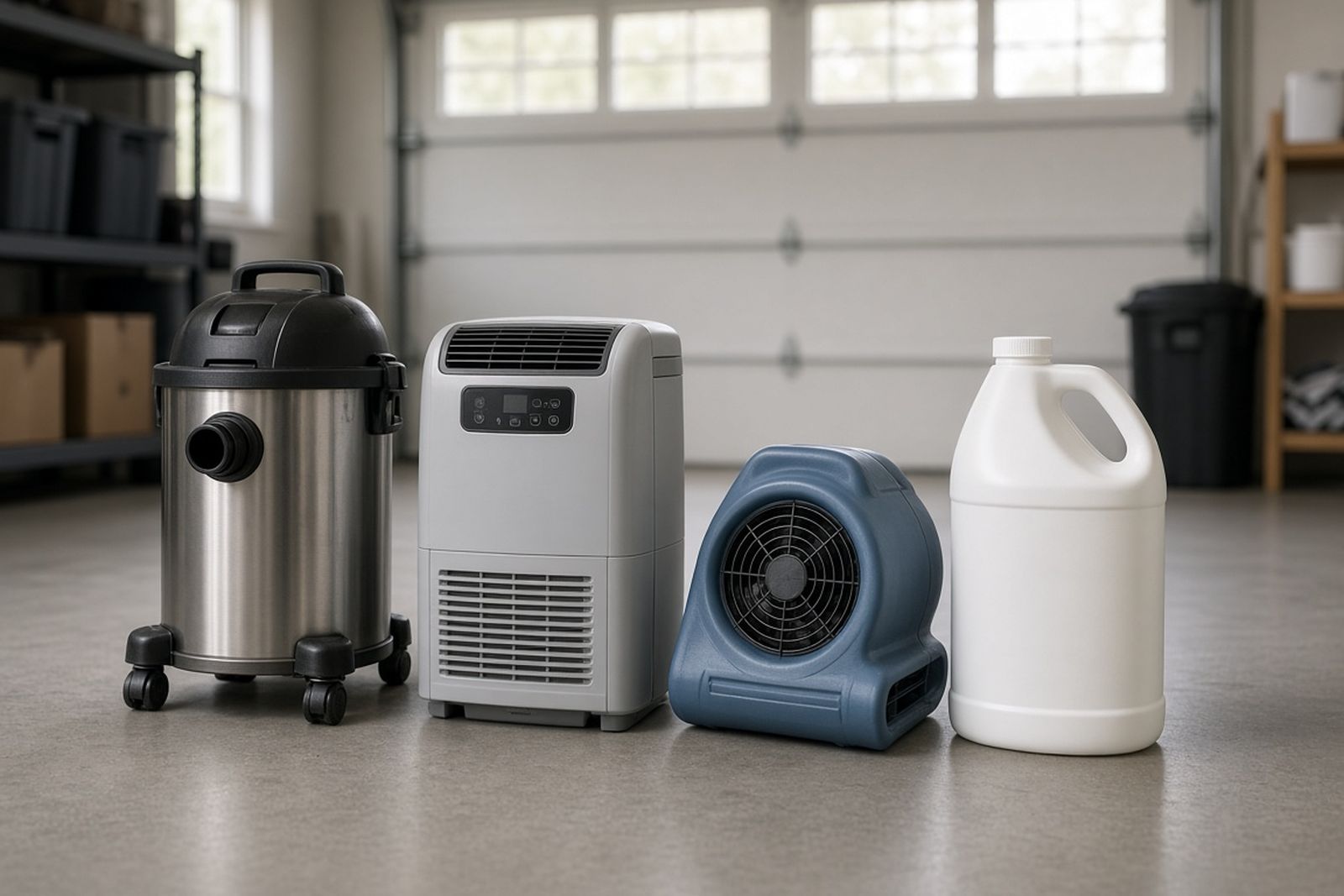
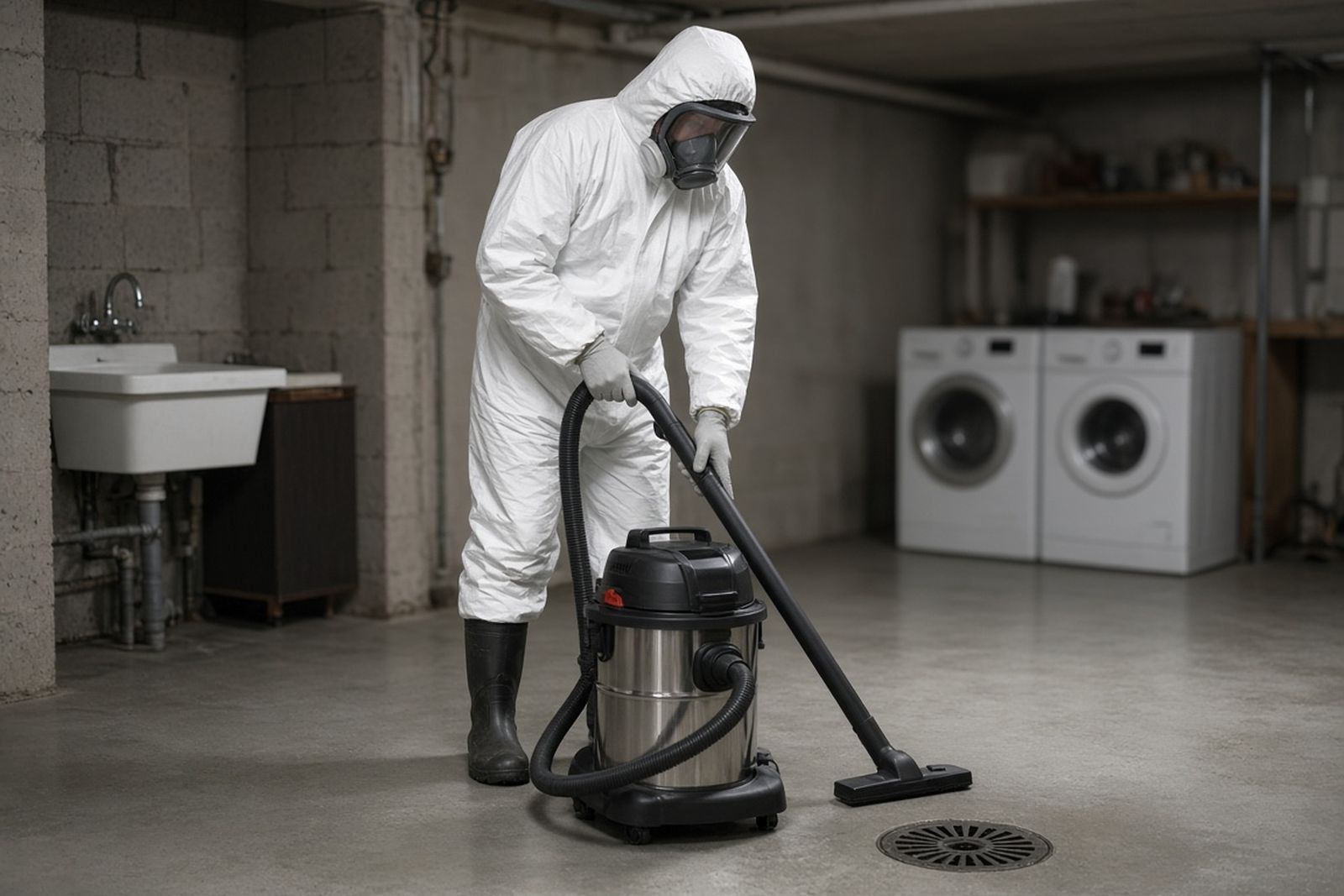
- Extraction of standing water and how containment will be set up
- A list of materials to be removed, with rough square footage or linear footage
- The disinfectant to be used and its label contact time for the organisms of concern
- How waste will be bagged, stored on site, and hauled away
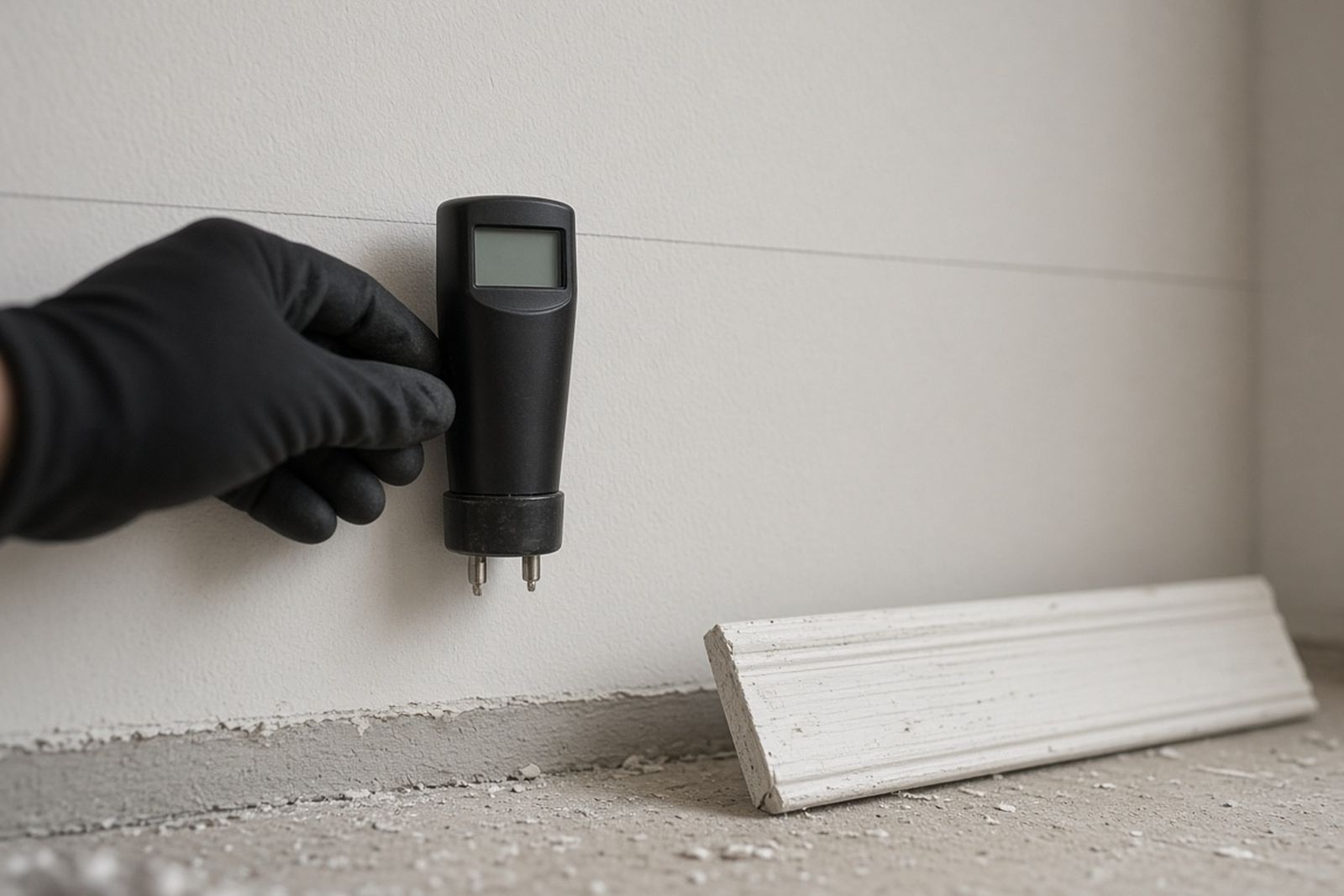
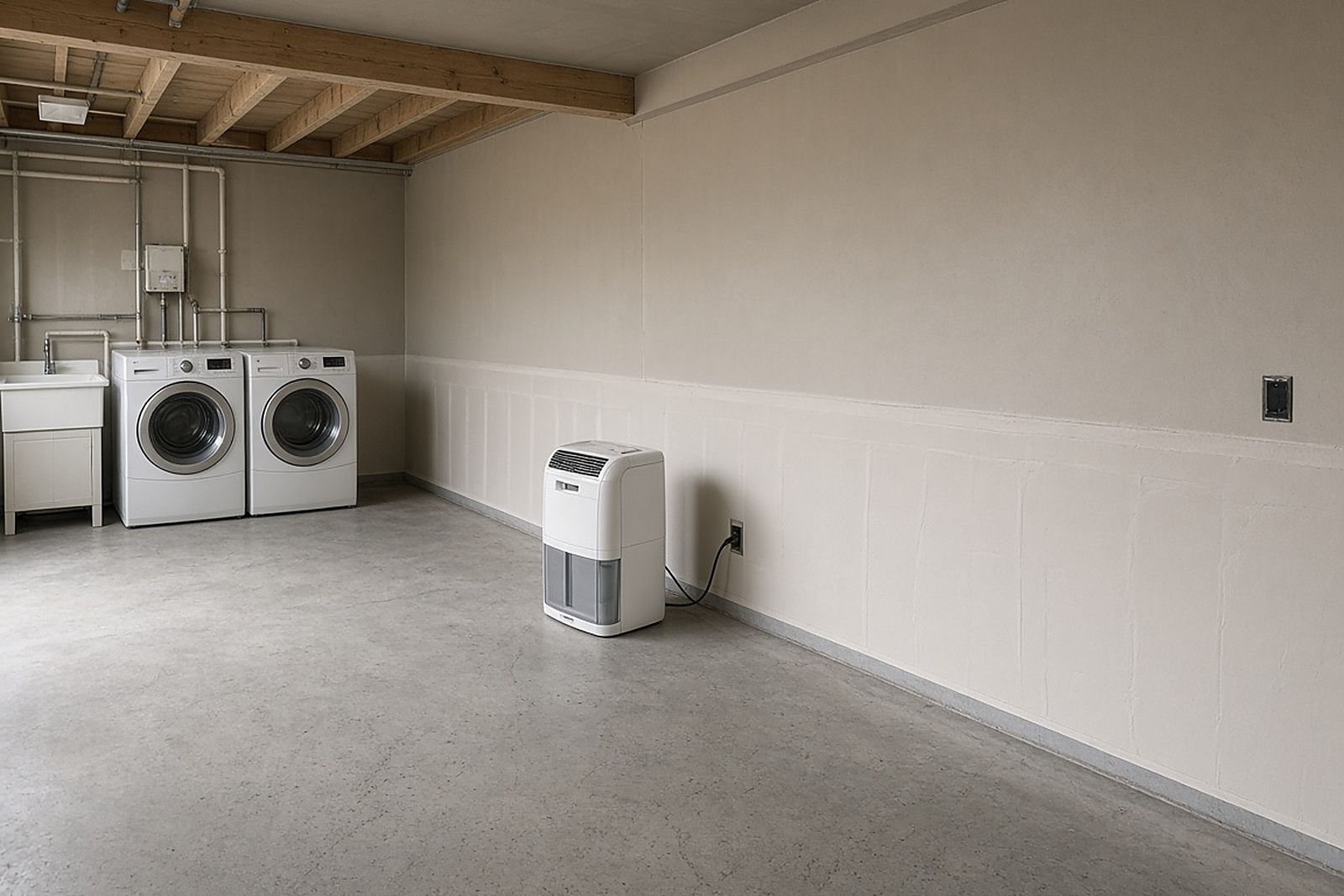
- Drying and moisture checks after disinfection
- The written condition that must be met before re-occupancy
Why the health risks justify closing a unit
Human waste carries a heavy load of organisms that cause stomach and intestinal illness. Even a small residue left in grout, under a threshold, or inside a carpet tack strip can matter when a household includes young children or older adults.
Some of those organisms are also persistent. A systematic review published in BMC Infectious Diseases by Kramer, Schwebke and Kampf in 2006 found norovirus persists on dry inanimate surfaces for 8 hours to 7 days, and rotavirus for 6 to 60 days. A room that looks dry and smells better may still need proper disinfection.
Decomposing waste in an enclosed space can also release gases such as ammonia and hydrogen sulfide. That is one reason a provider may ventilate and monitor air before technicians spend long periods inside a basement or crawlspace, and why maintenance staff should not be sent into a confined area without an assessment.
Insurance notice and documentation
Notify the owner's carrier as early as your management agreement allows. Coverage for sewer and drain backup is often a separate endorsement rather than part of a base policy, so do not assume the loss is covered or excluded until the adjuster responds. Tenants should also contact their own renters insurance about personal property.
Keep before, during, and after photos, the provider's moisture readings, the waste manifest or disposal receipt if one is issued, and invoices broken down by stage. Ask the provider for a closeout report that ties each removed material to a reason.
If the backup was caused by a municipal sewer problem, the city or utility may have its own claims process and deadlines. Ask the utility directly how to report the event.
Store all of this in one folder per incident, labeled with the address and date. When a similar problem happens again in the same building, that folder tells the next manager which drain failed, which provider responded, and which materials had to come out last time.
Habitability and legal questions to check locally
Duties around repairs, temporary relocation, rent abatement, and notice periods differ from place to place, and your lease may add its own terms. Do not tell a tenant they must stay, or must leave, based on a general article. Consult the local housing authority or your legal adviser when occupancy is in question.
Some jurisdictions also have rules on how sewage-contaminated waste is transported and where it can go. Your provider should know the local requirements, but it is fair to ask them to explain. Rules vary by state and county; verify with the local authority.
If your own maintenance staff will handle any part of the cleanup, remember that you are their employer. That brings workplace safety obligations, including protective equipment and training, that do not apply when a homeowner cleans their own house.
When is a unit ready for tenants to return?
Set the restart condition at the start, not at the end. A reasonable condition includes removal of all contaminated porous materials listed in the scope, cleaning and disinfection of remaining surfaces, drying confirmed by moisture readings, and no lingering sewage odor.
Ask the provider to walk the space with you before rebuilding begins, so you can see that the subfloor and wall cavities are clean and dry before they are covered. Once new drywall and flooring go in, you lose the chance to check.
Finally, look at prevention. Talk with your plumber about backwater valves, cleanout access, and drain maintenance schedules. A short follow-up conversation with tenants about what not to flush can also reduce repeat calls.