Short answer
Before feces or bodily fluid cleanup begins, assess ten risks: germs reaching the mouth through hands, splashes to the eyes, sewer gases in enclosed spaces, ammonia from old urine, dangerous chemical mixing, electrical hazards after water intrusion, weakened floors and ceilings, hidden sharps, mold growth, and spreading contamination through the home. Identifying them first shapes protective gear, ventilation, and whether to call a professional.
Take stock before touching anything
Human waste incidents often feel urgent. The smell is strong, the mess is upsetting, and the instinct is to grab a mop and get it over with. Taking a few minutes to look around first can prevent illness, injury, and a larger cleanup later.
A risk check does not have to be complicated. Walk the area, note what you see and smell, think about who lives in the home, and decide what protection and help you need. Professionals do this on every job, and homeowners benefit from the same habit.
The ten risks below cover most household situations, from a toilet overflow to a sewage backup to long-term urine contamination. Not every risk applies to every job, but it is worth considering each one.
If you identify several serious risks at once, such as strong sewer odor in a basement with standing water near outlets, that is a strong signal to stop and call for professional help.
Risks 1 and 2: hands and splashes
Risk 1 is transfer from hands to mouth. Most illnesses from human waste spread when germs on hands, gloves, or tools reach the mouth, often indirectly through a phone, a doorknob, food, or a cigarette. Wear disposable gloves, change them when they tear or become heavily soiled, and avoid touching your face. Wash hands with soap and water as soon as you finish, even if you wore gloves.
Some pathogens survive for a long time outside the body. CDC's 2025 clinical overview notes that hepatitis B virus remains infectious for at least 7 days on surfaces. That matters when waste is mixed with blood, such as after an injury, a medical condition, or incontinence in someone who is ill.
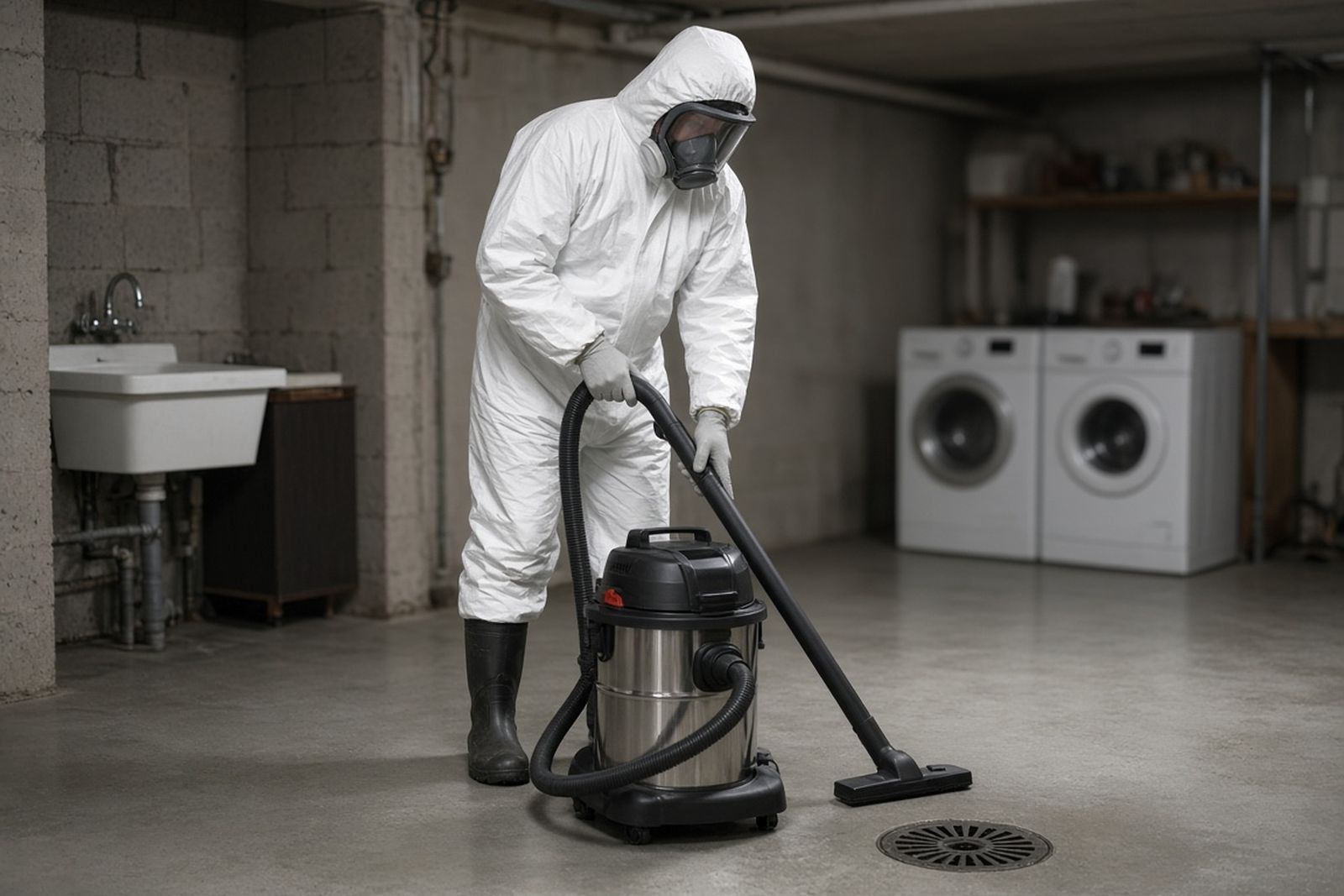
Risk 2 is splashing. Scrubbing, spraying, pulling up soaked carpet, or flushing a partially blocked toilet can send droplets toward your face. Eye protection is one of the most overlooked items in household cleanup. Goggles or a face shield, along with a mask, keep splashes away from your eyes, nose, and mouth.
Work slowly and avoid high-pressure sprays on contaminated surfaces. Gentle wiping and blotting reduce splashing.
Risks 3 and 4: sewer gas and ammonia
Risk 3 is sewer gas in enclosed spaces. Decomposing sewage produces hydrogen sulfide and other gases, and at high concentrations hydrogen sulfide can cause rapid unconsciousness. Dangerous levels are most likely in crawlspaces, pits, septic tanks, and sealed basements.
Never enter a confined space with strong sewage odor alone, and never enter a septic tank or sewer pit at all. Professionals use gas monitors and ventilation before working in these spaces. If anyone feels dizzy, confused, or short of breath, get everyone into fresh air and call 911.
Risk 4 is ammonia from long-term urine. Urine that has soaked into carpet, subfloor, or furniture for months breaks down into ammonia, which irritates the eyes, nose, throat, and lungs. Closed rooms with heavy contamination can become very uncomfortable to work in.
Ventilate before and during work. If ammonia odor is strong enough to make your eyes water, you likely need respiratory protection or professional help.
Risks 5 and 6: chemical mixing and electricity
Risk 5 is mixing cleaning products. Many people reach for several products at once, hoping stronger is better. Bleach combined with ammonia-based cleaners releases chloramine gases, and bleach combined with acids can release chlorine gas. Because urine produces ammonia, pouring bleach directly onto heavy urine contamination in a closed room can also create irritating fumes.
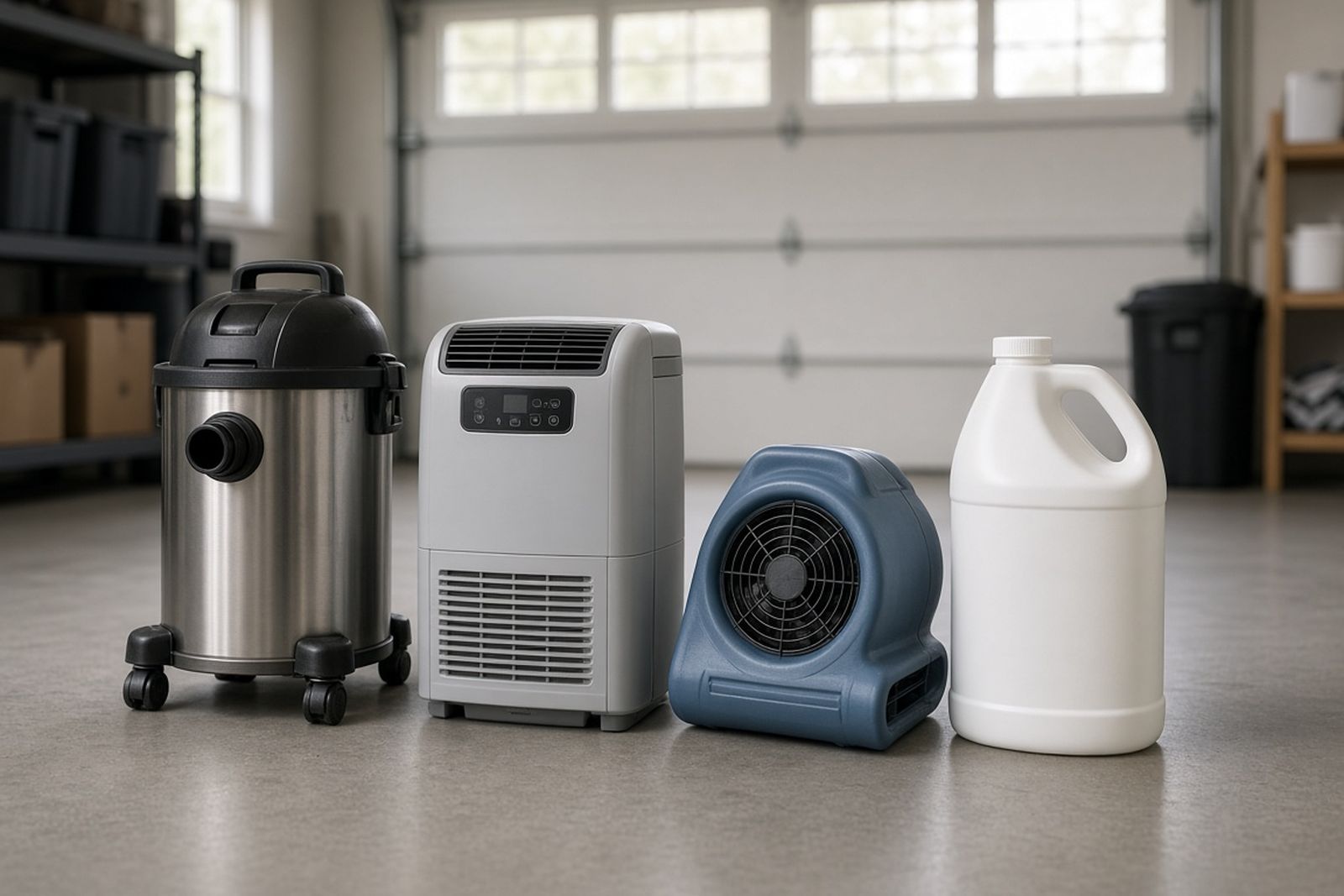
Use one product at a time, follow its label, and rinse between products if you must switch. Choose an EPA-registered disinfectant with claims against the organisms you are concerned about, rather than combining several household cleaners.
Risk 6 is electrical hazards after water intrusion. Sewage backups and overflows can reach outlets, power strips, extension cords, and appliances. Standing in contaminated water near energized equipment creates a shock risk.
If water has reached electrical systems, turn off power to the area at the breaker if you can do so safely, and have an electrician inspect before restoring power. Do not use household vacuums or fans in standing water.
Risks 7 and 8: weakened structures and hidden sharps
Risk 7 is weakened floors and ceilings. Waste that has leaked for a long time, such as from a toilet seal or a drain line, can rot subfloor and soak drywall ceilings below. Soft spots in floors, sagging or stained ceilings, and loose tiles are warning signs. A saturated ceiling can fall suddenly and drop contaminated material on anyone below.
Stay off soft flooring, keep people out from under stained ceilings, and let a professional assess structural damage before work begins.
Risk 8 is hidden sharps and objects. In some situations, such as a hoarding environment, a home where someone used injectable medications, or a sewage backup that carried debris, needles and sharp objects can be concealed under waste or inside soaked materials.
Look before you reach. Use tools rather than hands to move debris, wear puncture-resistant gloves when appropriate, and keep a rigid container nearby for anything sharp.
Risks 9 and 10: mold and spread
Risk 9 is mold growth. Moisture left behind in drywall, insulation, subfloor, or furniture can support mold within days. After Hurricane Ida, Foreman and colleagues reported in 2024 that 55% of 161 residents answering their home-damage follow-up reported mold growth. Sewage backups create similar conditions indoors.
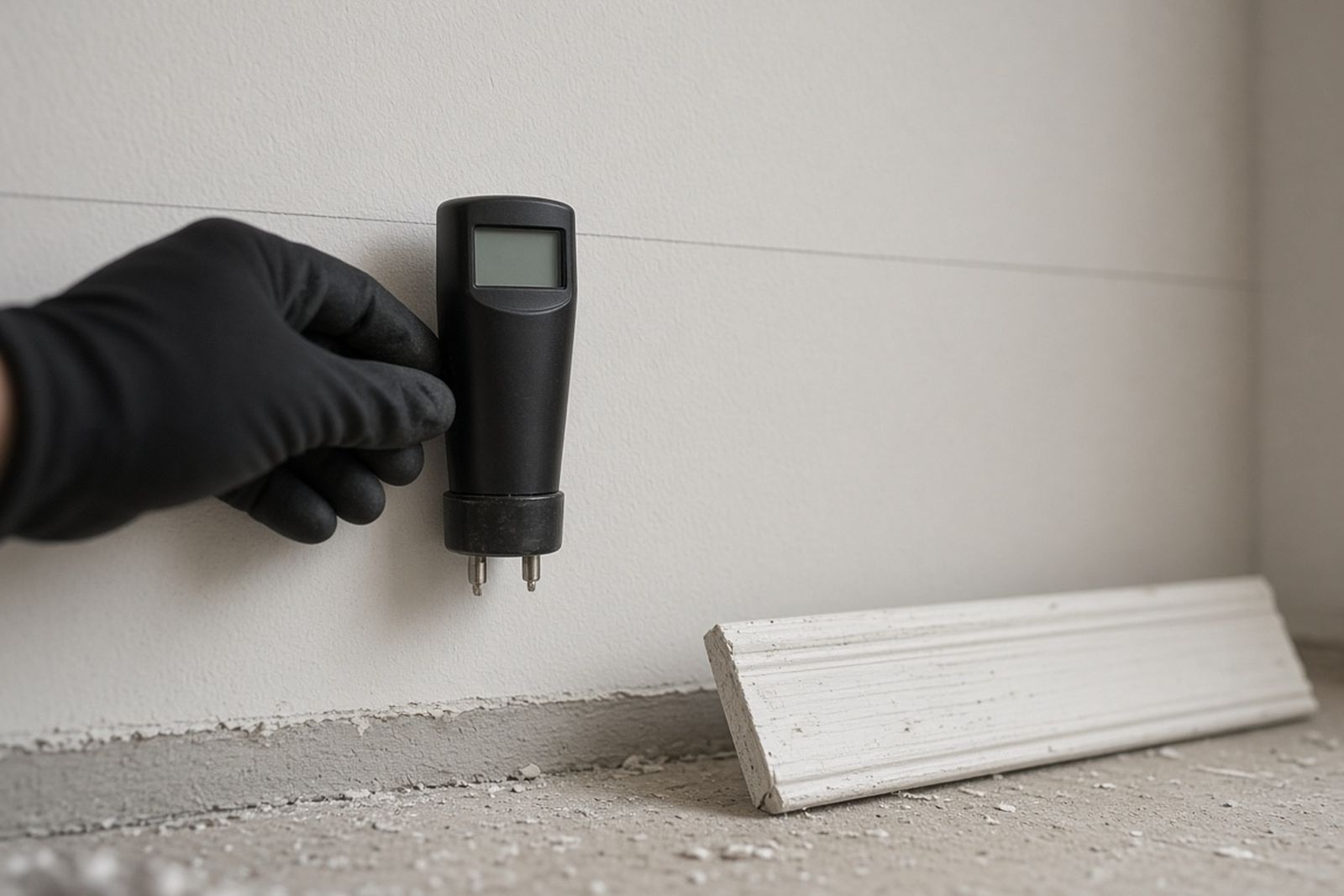
Remove soaked porous materials promptly, dry the structure thoroughly, and check moisture levels before closing walls or laying new flooring. Returning odor or visible spots are signs that moisture remains.
Risk 10 is spreading contamination through the home. Walking contaminated shoes through hallways, carrying soaked materials through living areas, washing contaminated clothing with the family laundry, or running household fans can carry germs well beyond the original area.
Set up a clear path to the exit, bag waste at the source, remove outer protective layers before leaving the work area, and wash work clothing separately on the hottest setting it allows.
Running the check from the top of the stairs
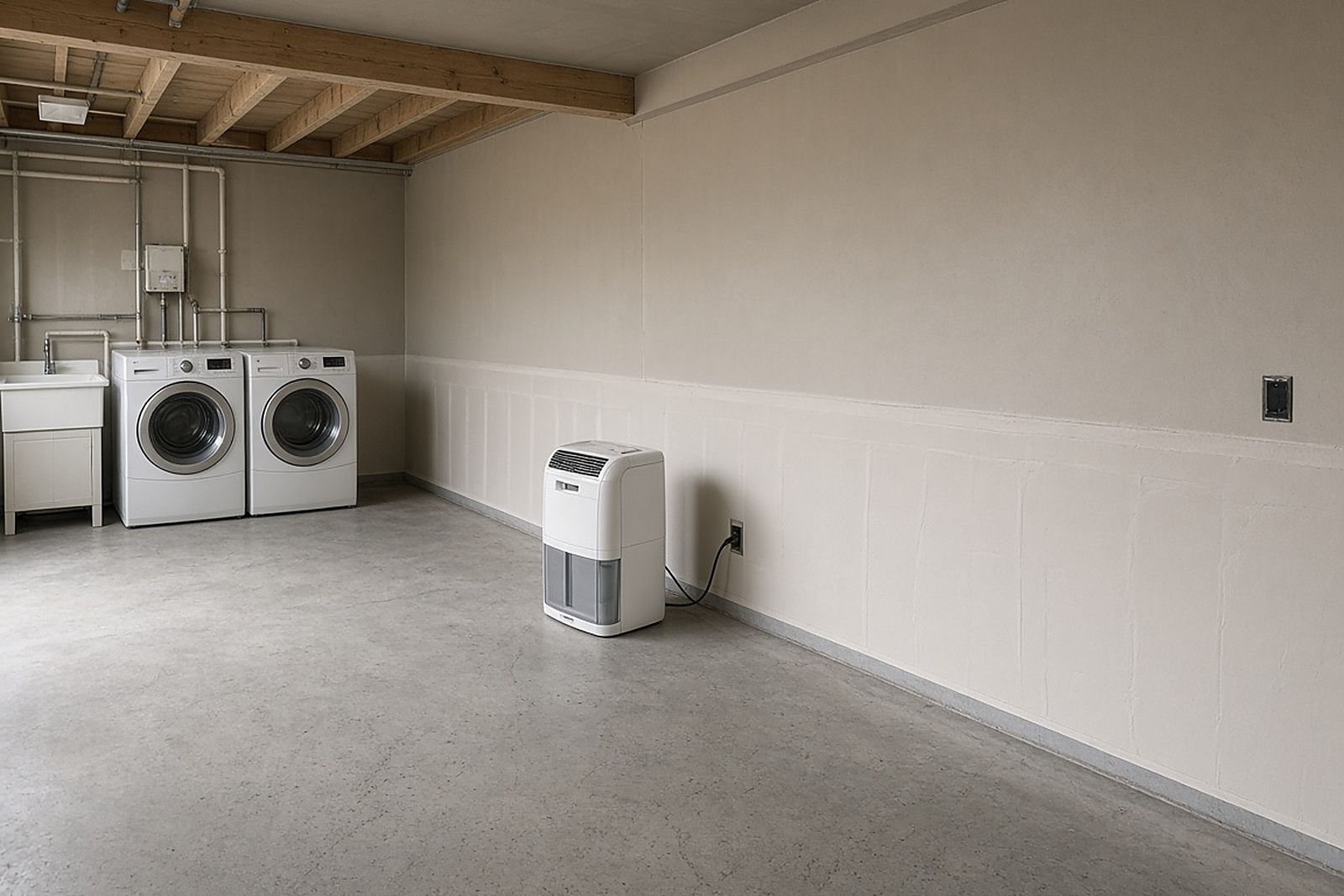
Coming home to sewage across part of a finished basement, the instinct is to start pulling up carpet. A better first move is to stop at the top of the stairs and run through the risks from there.
A strong rotten-egg smell means staying out until the space is ventilated. Water that has reached a power strip or outlet means switching off that circuit at the breaker, if the panel can be reached without stepping into water. Stained ceiling tiles over a laundry area suggest a leak from above. And anyone in the household with asthma or another vulnerable condition changes who should be near the work at all.
A check like that often ends with two calls: a plumber to clear the line, and a remediation provider to ventilate, monitor the air, remove the carpet, drywall, and damaged ceiling tiles, and dry the space. Meanwhile the household stays upstairs with the basement door closed until the crew confirms the work is complete.
Who should stay clear of the work area?
Some people face higher risks from exposure to human waste and should stay away from the work area entirely.
If someone in one of these groups lives in the home, consider having them stay elsewhere until cleanup and drying are finished. When that is not possible, keep doors to the work area closed, run air filtration if you have it, and make sure the person uses a bathroom and kitchen that were not affected.
- Pregnant people
- Infants and young children, who touch surfaces and put hands in their mouths
- Older adults, especially those with chronic illnesses
- Anyone with a weakened immune system, including people undergoing chemotherapy
- People with asthma or other breathing conditions
- Pets, which can track contamination through the home
How do you decide whether to proceed yourself?
If your risk check turns up only a small, fresh mess on hard surfaces, with good ventilation and no vulnerable people nearby, careful DIY cleanup is often reasonable. If it turns up sewer gas, electrical hazards, structural damage, hidden sharps, or large areas of soaked material, professional help is the safer choice.
Either way, the check itself is valuable. It helps you choose protective equipment, plan ventilation, and avoid the mistakes that lead to illness or injury.
Write down what you found during your check and share it with any provider you call. A few notes about odors, water levels, electrical concerns, and who lives in the home help the crew arrive with the right equipment and protective gear.
Landlords and tenants should also let each other know in writing what the check found, since both may need that record later.