Short answer
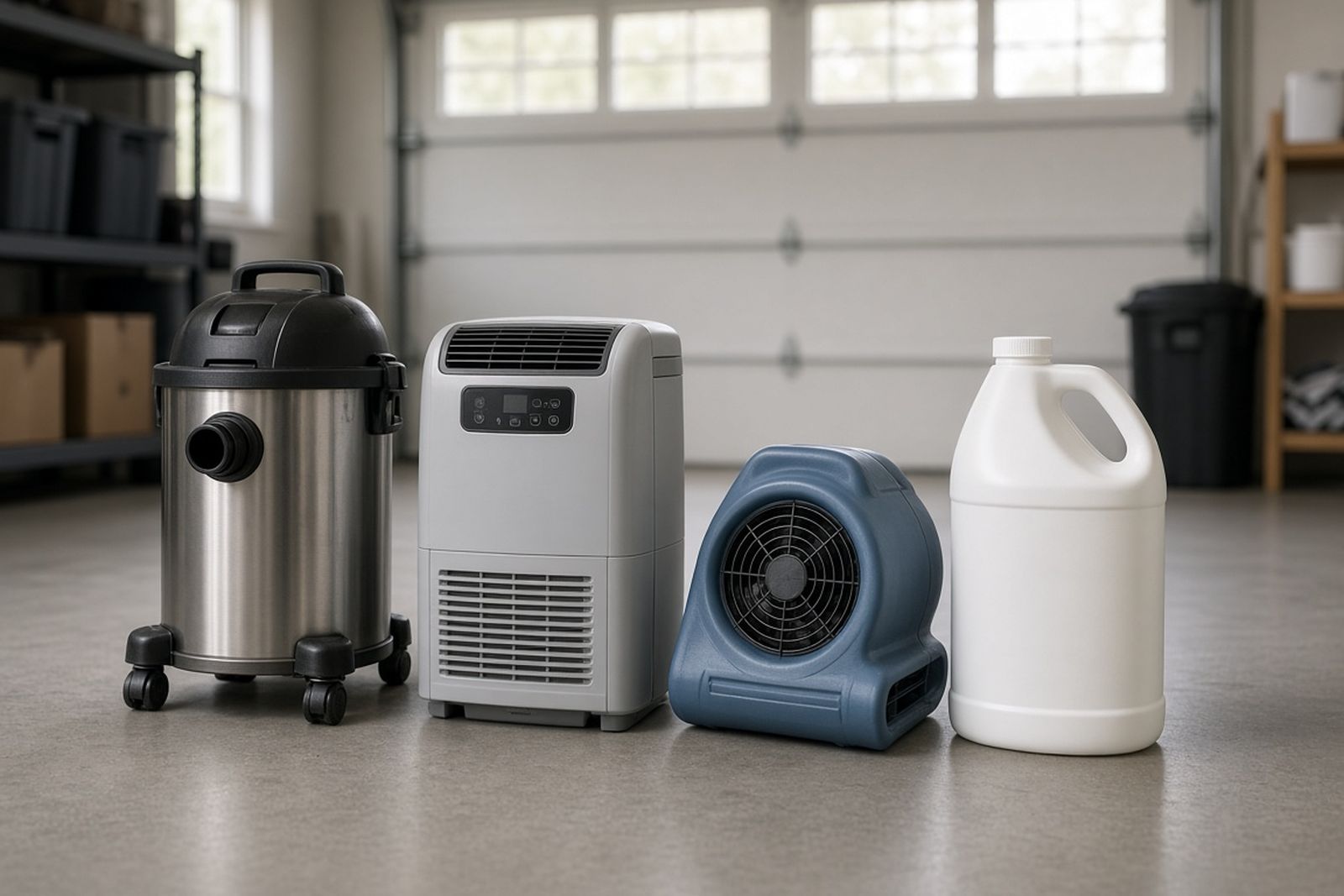
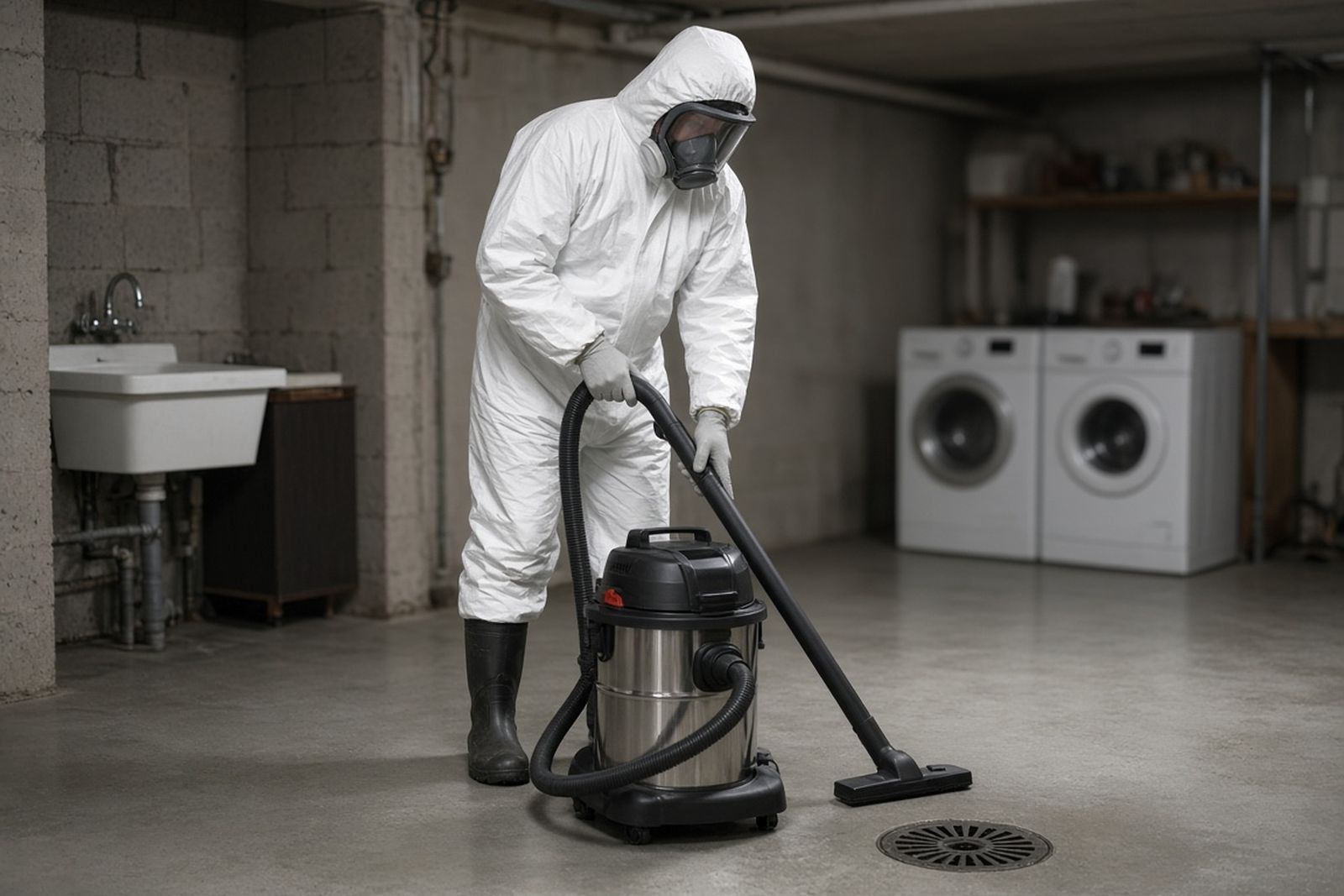
Start by listing each task, such as extracting sewage, removing soaked carpet, cutting drywall, and disinfecting, then ask what could splash, be inhaled, puncture skin, or cause a fall. Typical choices include waterproof gloves over liners, fluid-resistant coveralls, rubber boots, splash goggles, and a fit-tested respirator where aerosols, mold, or gases are likely. Air monitoring, ventilation, and safe removal of gear matter as much as the items themselves.
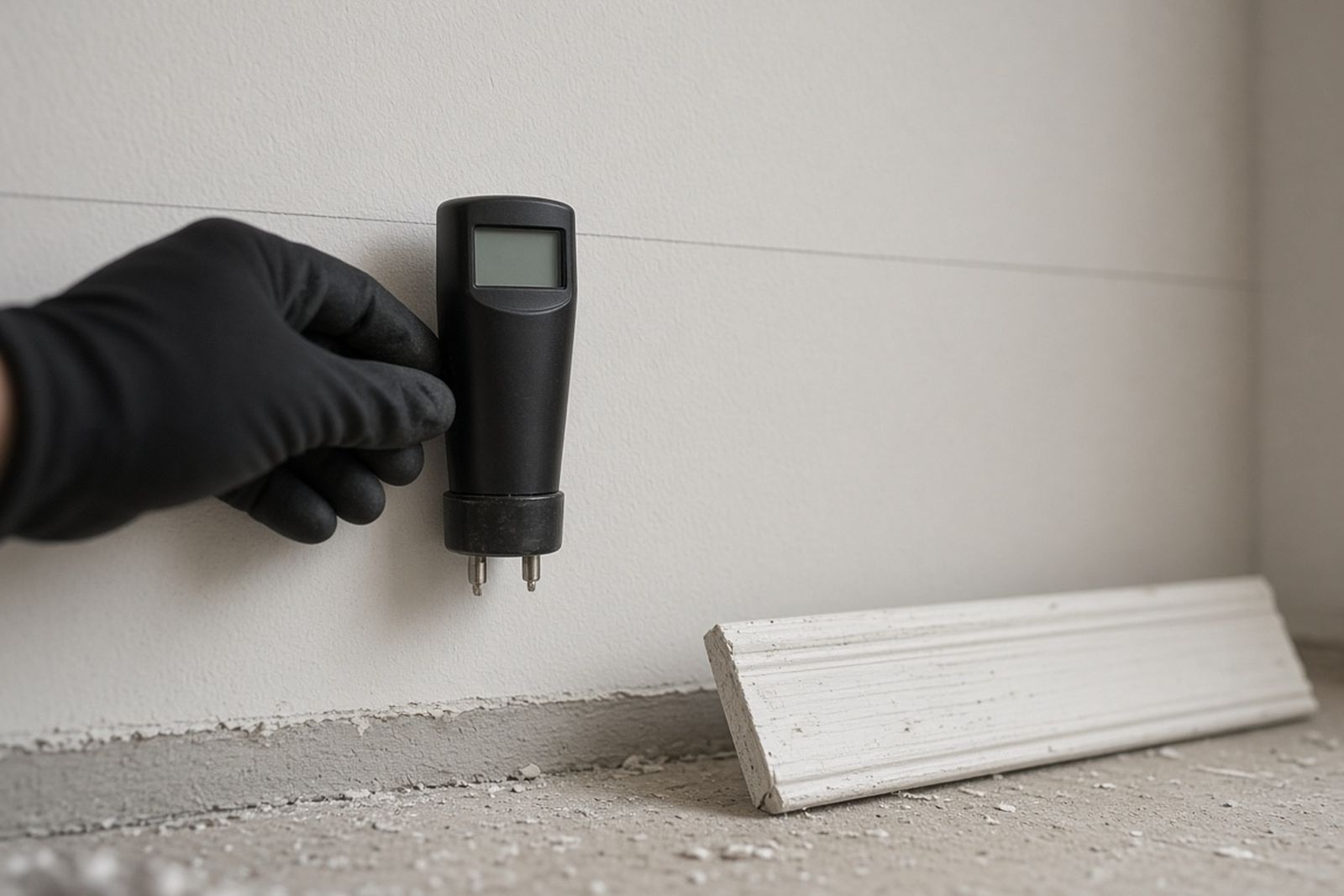
Start with a task-by-task hazard assessment
A small toilet overflow on tile and a basement flooded with several inches of sewage are both fecal contamination, but they expose the person cleaning in very different ways. So does a hoarded bedroom where urine and feces have soaked into a mattress for months.
Selecting protective equipment from habit, or from whatever is on the truck, tends to leave gaps. The person ends up with gloves that are too thin for tearing out carpet tack strip, or a paper mask where a real respirator was needed.
A hazard assessment fixes that by working backward from the job. Employers are required to do this under OSHA's PPE standard, 29 CFR 1910.132, and homeowners or caregivers doing their own cleanup can borrow the same logic.
The assessment does not need to be long. A one-page form that lists the tasks, the hazards found for each, and the equipment selected is enough for most jobs, as long as someone who understands the work fills it out on site rather than copying the last job file.
Fecal contamination is primarily a biological hazard. CDC's handwashing data note that a single gram of human feces can contain one trillion germs, which is why even small amounts on skin or in the eyes deserve attention. But the biological risk is only one part of the picture.
Go through each category for every task, and write down how likely and how serious each exposure would be. That record becomes the basis for what you select.
Pay special attention to the conditions that make an ordinary job riskier: water that has sat for days, a space with a single small entrance, a household where someone was sick with a stomach illness, or waste that has dried and turned to dust that lifts easily when disturbed.
- Skin contact with sewage, feces, urine, or vomit on floors, walls, and fixtures
- Splash to eyes, nose, or mouth during extraction, pumping, or spraying
- Aerosols from agitating waste, running wet vacuums, or pressure washing
- Gases such as hydrogen sulfide and ammonia in basements, crawlspaces, and closed rooms
- Mold growth on wet materials left for more than a short time
- Sharps hidden in waste, including needles, razors, and broken glass
- Electrical hazards where water reaches outlets, appliances, or panels
- Slips, lifting strain, and heat stress while wearing heavy protective gear
- Chemical exposure from disinfectants and deodorizers
Gloves, boots, coveralls, and eye protection
Gloves need to resist liquid and stand up to physical work. Thin disposable nitrile is fine for wiping a small spot, but it tears quickly during demolition or carpet removal. For larger jobs, many technicians wear a heavy, extended-cuff rubber or nitrile glove over a thin disposable liner, so the inner glove stays clean when the outer one comes off.
Where sharps are possible, add cut-resistant liners. They reduce the chance of a slice from glass or metal, though they do not reliably stop needles. The real protection against needles is looking before reaching and using tools to move debris.
Footwear should be waterproof, slip-resistant, and easy to wash. Tall rubber boots with sturdy soles are standard in standing sewage. Disposable boot covers tear easily on wet concrete and are better suited to light contamination on hard floors.
Body protection depends on how wet and how dirty the work will get. For extraction, demolition, or crawlspace work, fluid-resistant disposable coveralls with a hood keep contamination off clothing and skin. Taping glove and boot junctions reduces seepage when kneeling or reaching into cavities.
Eye protection is often skipped and often needed. Indirect-vented goggles protect against splashes from pumps, wet vacuums, and overhead drips far better than standard safety glasses. A face shield over goggles adds protection during pressure washing or when pulling saturated ceiling material.
Choose coveralls in the right size. Suits that are too small tear at the crotch and shoulders the first time someone kneels, and suits that are too large snag on debris.
When is a respirator necessary, and which kind?
Respiratory protection is where many people underestimate the risk. Agitating sewage, running wet vacuums, and tearing out moldy materials all put particles into the air, and closed basements or crawlspaces can accumulate gases.
For many aerosol and mold situations, a NIOSH-approved particulate respirator is a common starting point, with elastomeric half-face or full-face respirators offering better fit and eye protection for heavier work. Cartridges for specific gases may be added when odors or chemicals call for them. Air-purifying respirators do not protect against oxygen-deficient atmospheres or very high gas levels, which is why enclosed spaces may need air monitoring before anyone enters.
Real-world use lags behind recommendations. In a 2024 study after Hurricane Ida, Foreman and colleagues found that among 126 residents performing cleanup, 53% used nothing or only non-NIOSH-approved respiratory protection. The same study reported that only 11% of resident cleaners always wore all three assessed protection types. Professionals should do better, and employers who require respirators must provide medical evaluation, fit testing, and training under 29 CFR 1910.134.
Sample assessment: a week-old crawlspace leak
The sample below is illustrative, not a record of a specific job. A remediation crew lead arrives at a single-story house where a failed sewer line has been leaking into the crawlspace for about a week. The homeowner noticed the odor in a hallway above. The crawlspace entry is a small hatch in a closet, and inside the clearance is low.
The crew lead starts outside rather than at the hatch. She checks whether the plumber has stopped the leak, asks whether the power to the crawlspace lights and any sump pump has been turned off, and opens the exterior vents. Before anyone enters, she uses a gas monitor at the hatch opening to check oxygen and hydrogen sulfide levels, following her company's procedure for enclosed spaces.
Her assessment notes standing sewage, saturated insulation, likely mold on joists, low clearance, and possible debris from the original installation. She selects full-face elastomeric respirators with particulate filters, hooded coveralls with taped cuffs, double gloves with cut-resistant liners, knee pads, and rubber boots. She plans short work intervals with rest outside, a second technician stationed at the hatch, and a decontamination zone in the garage for removing gear.
The written assessment becomes part of the job file, alongside the scope and disposal records.
Why does the order of removing PPE matter?
The outside of your gear is contaminated by the end of a sewage job. Taking it off in the wrong order can transfer that contamination to your face, hair, or clothing, and from there into your car or home.
Set up a clean-to-dirty path: a spot at the edge of the work area where gear comes off, with a lined container, a wash station or wipes, and clean clothing staged nearby. Remove outer gloves first, then coveralls by rolling them inside out and away from the body, then boots, then eye protection and respirator by the straps, and finally inner gloves. Wash hands and any exposed skin immediately.
Clean reusable items such as boots, goggles, and respirator facepieces according to the manufacturer's instructions before they go back in the truck.
Lessons for homeowners and caregivers
If you are cleaning a small accident at home, such as a child's diaper leak or a pet mess, household gloves, good ventilation, and careful handwashing are often enough. Larger or longer-standing contamination is different.
Consider calling a professional if sewage covers more than a small area, has soaked into carpet, drywall, or subfloor, has been present long enough for mold to grow, or is in a space you cannot ventilate. The same goes if anyone in the household is pregnant, elderly, or has a weakened immune system.
Caregivers who manage incontinence for a family member should keep disposable gloves, a waterproof apron, and disinfectant within reach, and should wash hands thoroughly after every change even when gloves were worn.
Whoever does the work, avoid mixing cleaning chemicals. Bleach combined with ammonia-based products, or with acidic toilet bowl cleaners, can release dangerous gases in a small bathroom. Stick with a single product for each step, read its directions before opening it, and rinse the surface with water before trying something different.
Keeping the plan current
Review the assessment whenever the type of work changes, a new disinfectant is introduced, or someone reports an exposure or near miss. A needle found during carpet removal, a splash to the eye, or a technician feeling dizzy in a basement are all signals to revisit the plan.
Keep supplies stocked in every size, and check respirator cartridges and filters on a schedule. Store gear where it will not be contaminated between jobs.
Some jurisdictions set specific expectations for sewage cleanup in rental housing, childcare settings, or food establishments. The health department or licensing agency that oversees the setting can tell you whether those affect the protective measures expected.